
Gallery slide 1
1 / 7
Gallery slide 2
2 / 7
Gallery slide 3
3 / 7
Gallery slide 4
4 / 7
Gallery slide 5
5 / 7
Gallery slide 6
6 / 7
Gallery slide 7
7 / 7

Greece Athens Ancient Agora of Athens Entry Tickets

whatsapp
Free Cancellation

Free Cancellation

Mobile Voucher

Mobile Voucher

History Buff

History Buff

PokeTix Verified

PokeTix Verified

Greece Athens Ancient Agora of Athens Entry Tickets Highlights

Stand at the Bouleuterion and the Tholos, the actual sites where the institutions of Athenian democracy were created and practised for centuries
Experience the Archaeological site where Socrates philosophised, where Pericles governed, and where the political ideas that shaped the modern world were first put into practice
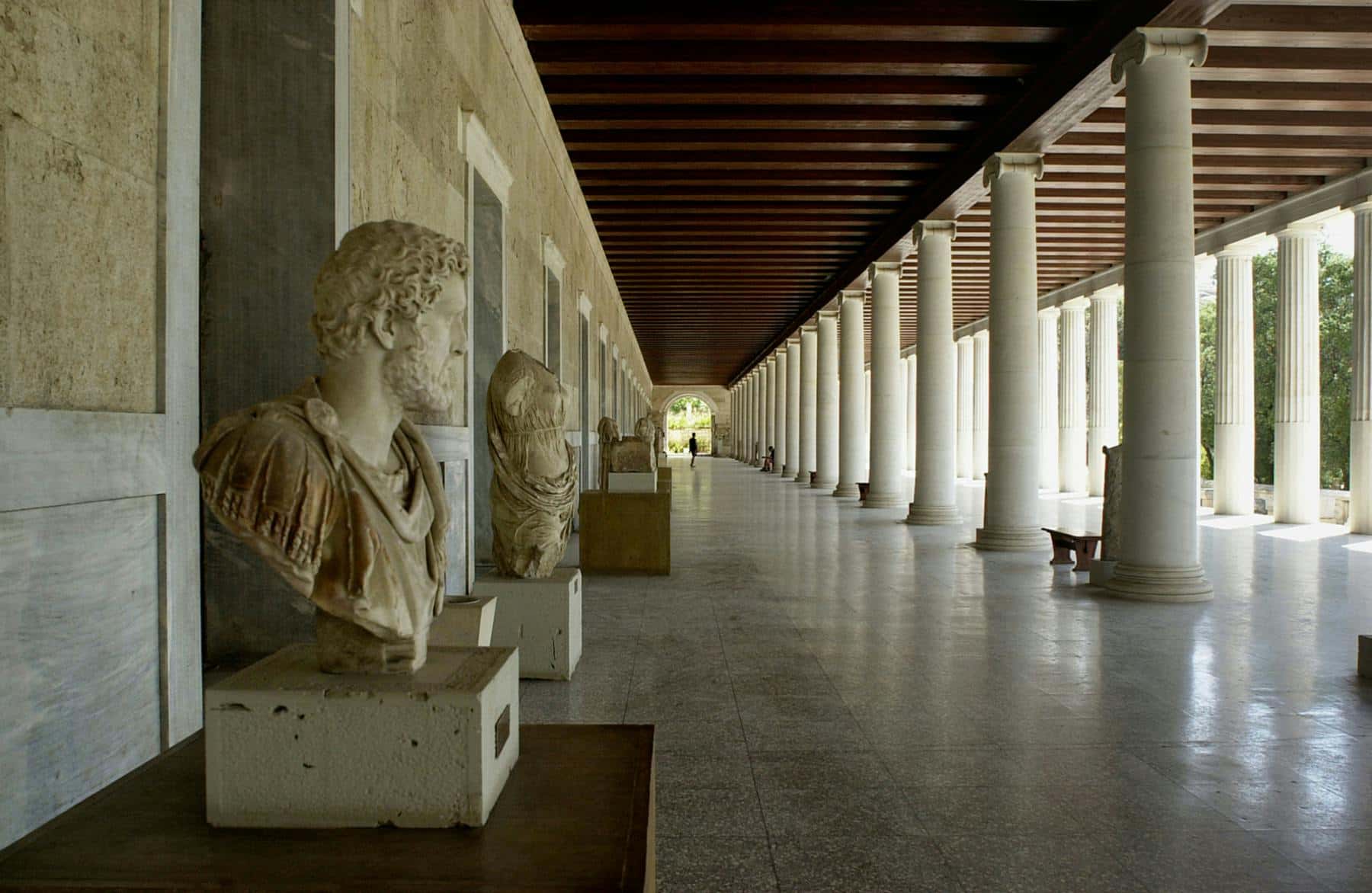
Visit the Museum of the Ancient Agora inside the reconstructed Stoa of Attalos and discover thousands of extraordinary finds from the birthplace of democracy
Walk the Panathenaic Way, the ancient processional route that once carried thousands of Athenians in their greatest annual civic and religious celebration
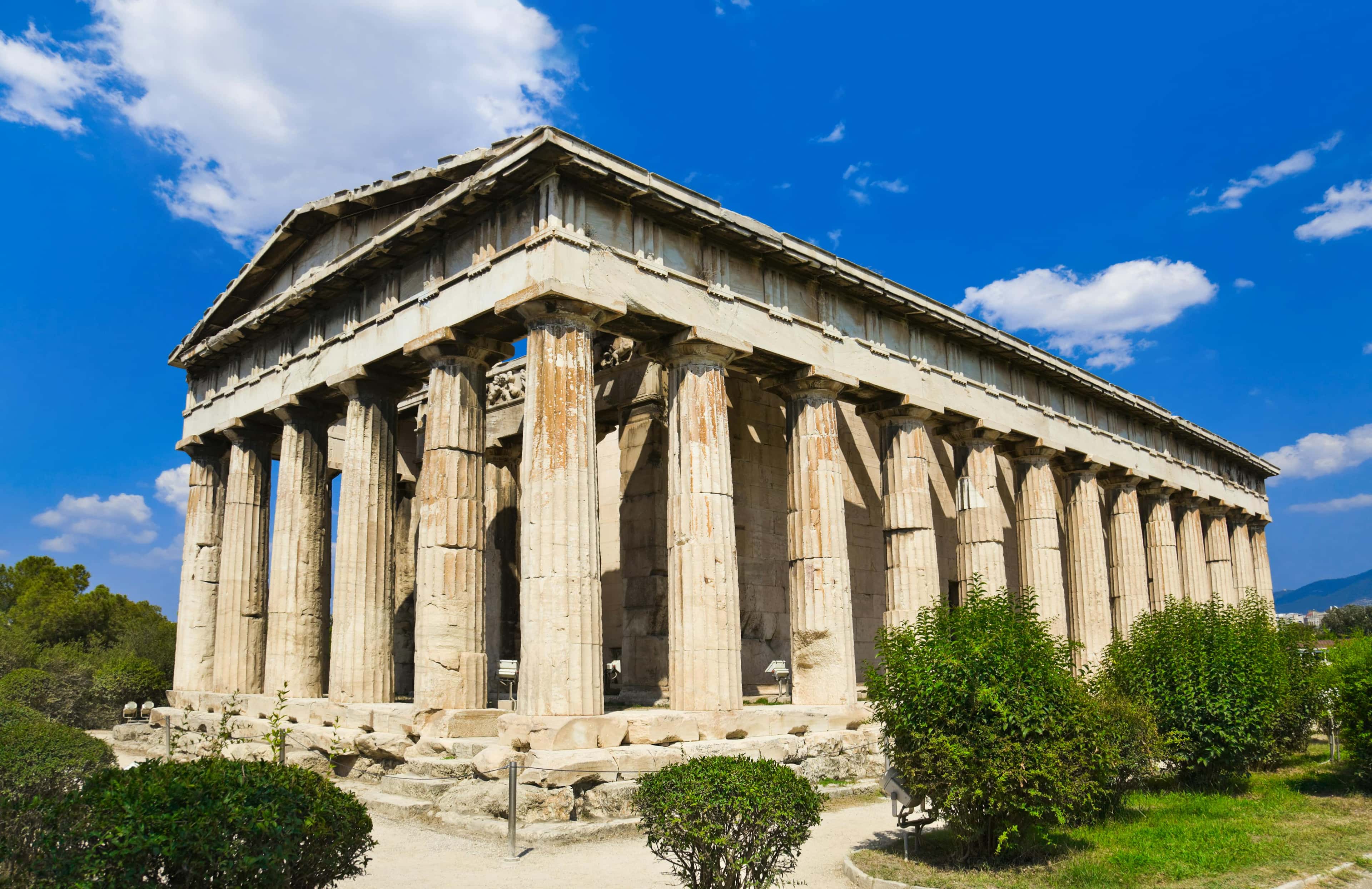
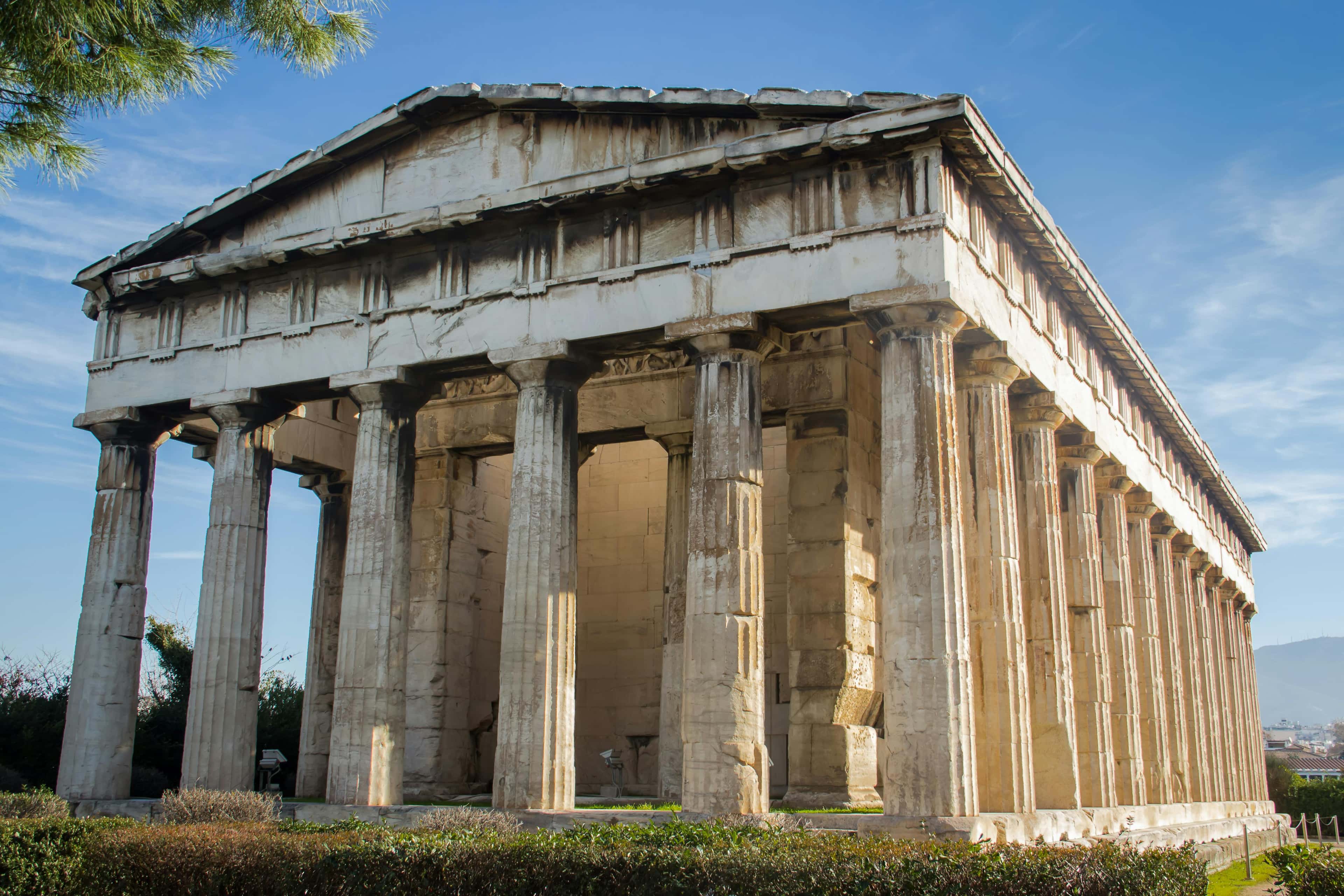
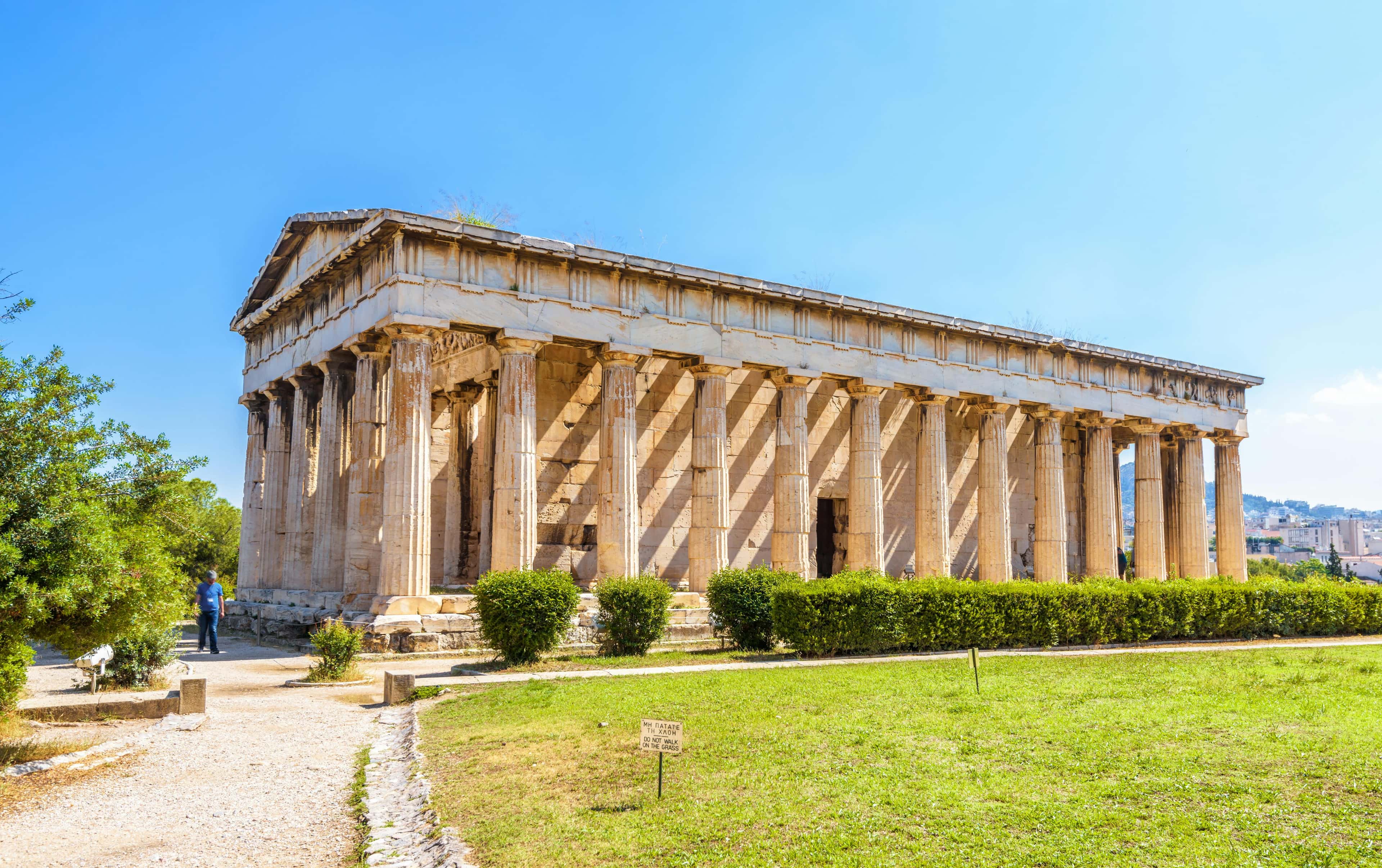
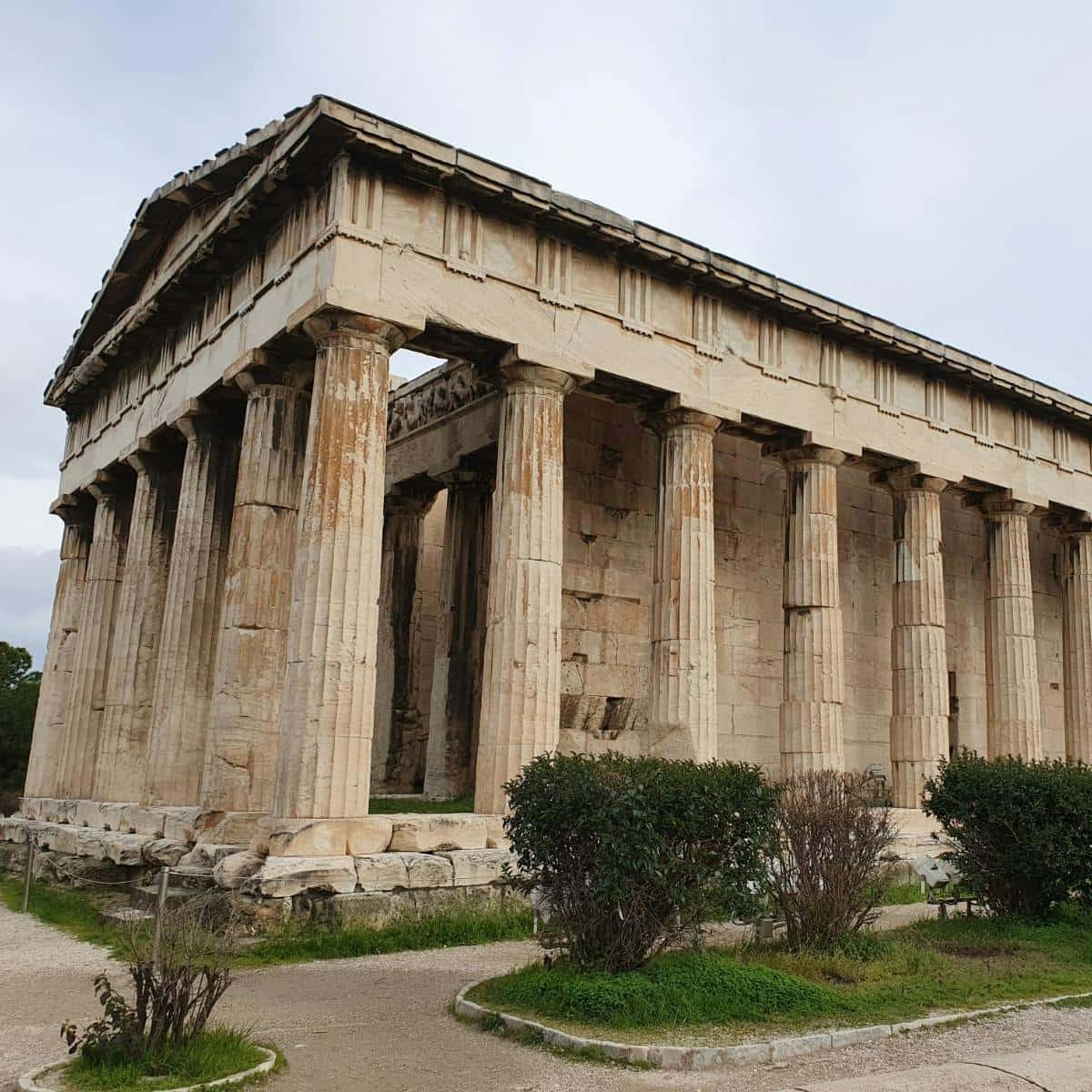
Explore the remarkably well-preserved Temple of Hephaestus, one of the most complete ancient Greek temples in existence, standing to almost full height after 2,500 years

Greece Athens Ancient Agora of Athens Entry Tickets Packages

logo

Available Packages

Select your ticket option

Starting Price

$29.00

Greece Athens Ancient Agora of Athens Entry Tickets Overview

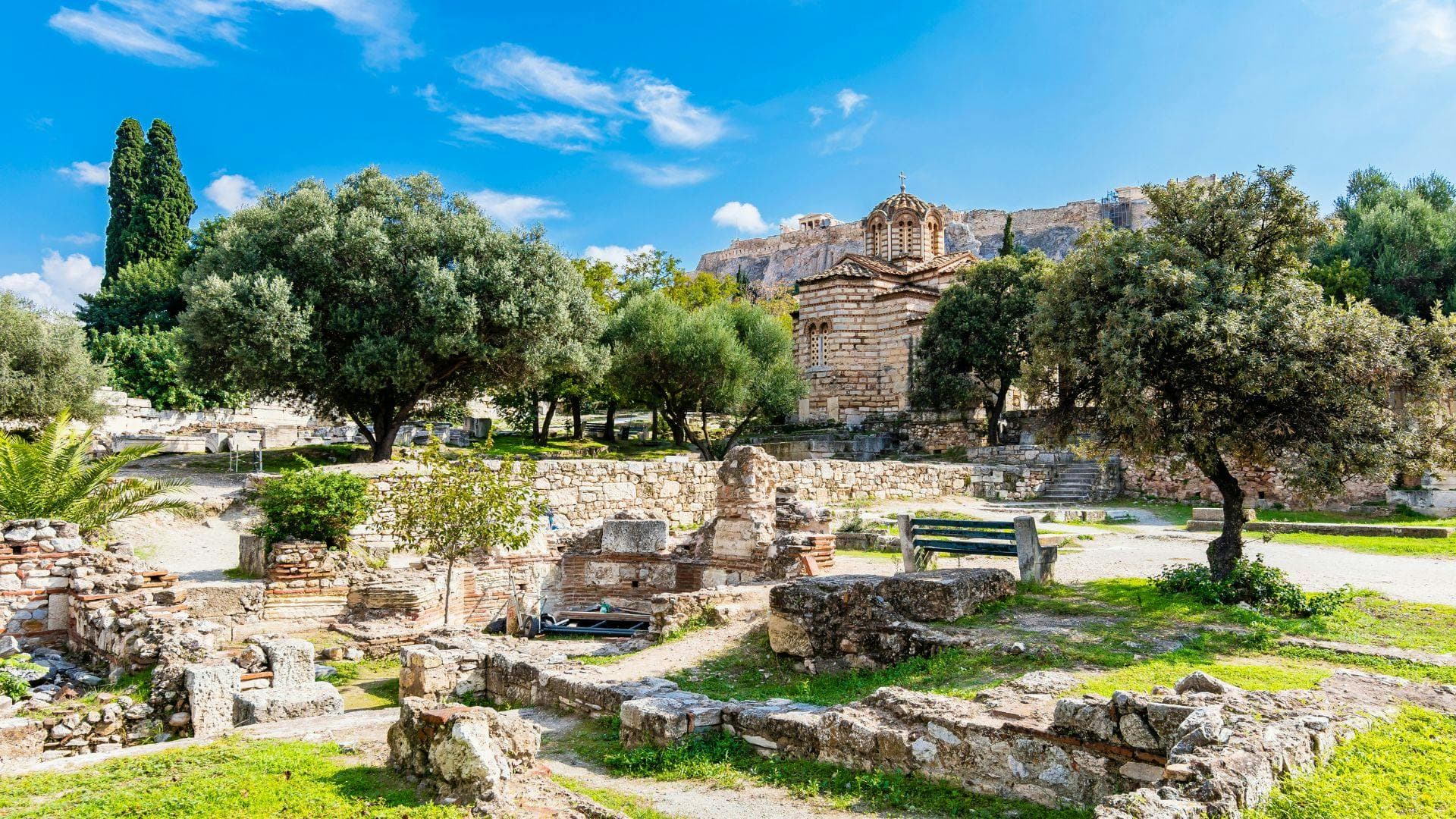
Lying in the shadow of the Acropolis between the ancient neighbourhoods of Kerameikos and the Plaka, the Ancient Agora was for centuries the beating heart of Athenian public life. It was here that citizens gathered to vote, conduct legal proceedings, worship, trade, and debate the great questions of philosophy and politics that continue to shape the modern world. Every institution of Athenian democracy had its home in the Agora: the Bouleuterion where the Council of Five Hundred met, the Tholos where the city's magistrates worked and ate together, and the law courts where Socrates was tried and condemned to death in 399 BC.

The Agora's most remarkable surviving structure is the Temple of Hephaestus on the western hill, one of the best-preserved ancient Greek temples in the world. Built in the 450s BC, contemporary with the Parthenon and equally ambitious in its sculptural programme, it survives to roof height thanks to its conversion into a Christian church in late antiquity. Its preservation allows visitors to understand, in a way that the ruined Parthenon above cannot, what a complete ancient Greek temple actually looked like.

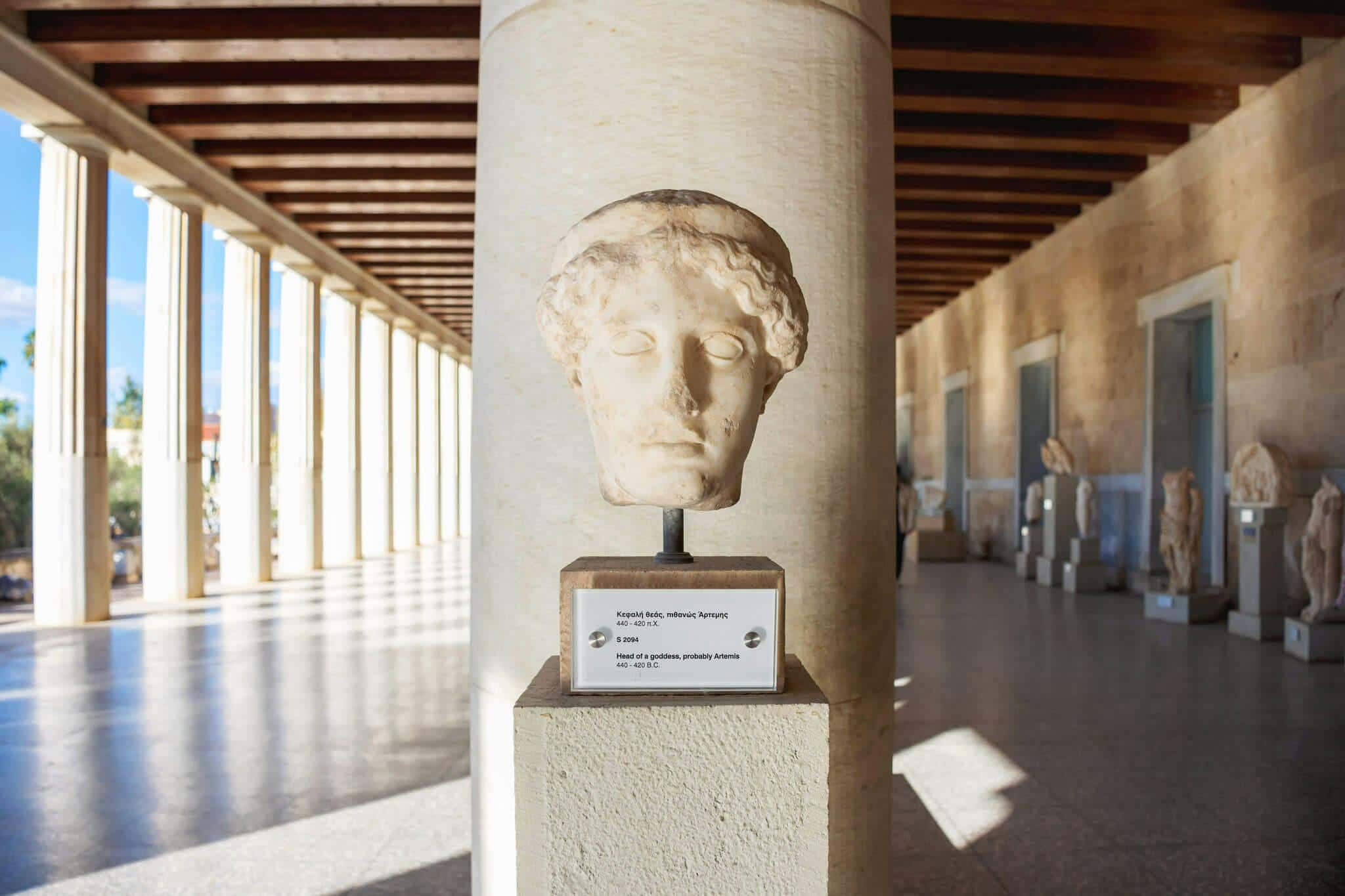
The reconstructed Stoa of Attalos, rebuilt in the 1950s by the American School of Classical Studies, now serves as the Museum of the Ancient Agora, housing thousands of remarkable finds from the site including ancient pottery, coins, bronze objects, and everyday items that bring the daily life of ancient Athens to vivid life. Book your Ancient Agora of Athens tickets now and walk through the actual spaces where Western civilisation was shaped.

Know Before You Go Greece Athens Ancient Agora of Athens Entry Tickets

Note that Tuesday openings begin one hour later than other days at 10:00 rather than 08:00 so plan your visit accordingly if choosing to go on a Tuesday

The site involves walking on uneven ancient surfaces and the Temple of Hephaestus is reached via steps so comfortable non-slip footwear is essential

Book your Ancient Agora of Athens tickets online in advance as this is now a separately ticketed site following the discontinuation of the old combined Athens ticket in April 2025

The Ancient Agora is less crowded than the Acropolis and offers significantly more shade from mature trees making it a more comfortable choice for the hottest parts of a summer day

Allow 1.5 to 2 hours to explore the site comfortably including the museum inside the Stoa of Attalos which should not be missed

Things To Carry

Smartphone
Photo ID
Tickets (Digital or Printed)
Comfortable Clothing
Water Bottle
Passport
Power bank

Policies

Confirmation Policy

Booking is confirmed within 15 minutes.
If you don’t see it check your spam folder or contact us.
Alternate nearby slots can be arranged if your preferred time is unavailable.

Payment Policy

100% Payment has to be made at the time of booking.

Cancellation Policy

Free reschedule available until 72 hours before your travel date.
Free cancellation available until 72 hours before your travel date.

FAQs

1Is the Ancient Agora suitable for families with young children?

Yes, the Ancient Agora is one of the most family-friendly ancient sites in Athens. Unlike the Acropolis it offers significantly more shade from mature trees making it considerably more comfortable during the summer heat. The open spaces allow children to move freely and the museum in the Stoa of Attalos has engaging displays including ancient toys and everyday objects that resonate with younger visitors. Children under 5 enter free.

2How long should I spend at the Ancient Agora?

Allow 1.5 to 2 hours to explore the Ancient Agora comfortably, including the archaeological site and the Museum of the Ancient Agora inside the Stoa of Attalos. The site is particularly rewarding for visitors who have already seen the Acropolis above as it provides the civic and political context for the religious monuments on the hill. The museum is essential and should not be skipped even by visitors with limited time.

3What is the Temple of Hephaestus in the Ancient Agora?

The Temple of Hephaestus is one of the best-preserved ancient Greek temples in the world, standing on the western hill of the Agora. Built in the 450s BC and contemporary with the Parthenon, it survives to near-complete height because it was converted into a Christian church in late antiquity, which protected it from quarrying. It allows visitors to understand what a complete ancient Greek temple looked like in a way the more famous but more damaged Parthenon above cannot.

4What is the Stoa of Attalos?

The Stoa of Attalos was a long two-storey colonnaded building donated to Athens by King Attalos II of Pergamon in the 2nd century BC. The original building was destroyed in the 3rd century AD. The structure visible today is a meticulous reconstruction built in the 1950s by the American School of Classical Studies using ancient building techniques and materials. It now serves as the Museum of the Ancient Agora, housing thousands of remarkable finds from the site.

5How do I get to the Ancient Agora of Athens?

The Ancient Agora is located in the Monastiraki area of central Athens. The nearest Metro stations are Monastiraki on Lines 1 and 3 and Thissio on Line 1, both approximately a 5-minute walk from the site entrance on Adrianou Street or Apostolou Pavlou Street. The site is also within easy walking distance of the Acropolis and the Plaka neighbourhood, making it a natural complement to an Acropolis visit on the same day.

6Is the Ancient Agora included in a combined Athens ticket?

Note that the old combined ticket covering multiple Athens archaeological sites was discontinued in April 2025. Visitors must now purchase a separate ticket for the Ancient Agora. Various third-party Athens Pass products covering multiple sites are available from authorised providers and can offer good value for visitors planning to see several ancient sites in a single day or across multiple days in Athens.

7What is the Ancient Agora of Athens?

The Ancient Agora was the civic centre of ancient Athens for over a thousand years, serving as the political, commercial, religious, and social heart of the city. It was the birthplace and operational centre of Athenian democracy where citizens voted, held legal proceedings, and debated the great questions of the age. Key structures include the Bouleuterion where the Council of Five Hundred met, the Tholos housing the city's magistrates, and the remarkably preserved Temple of Hephaestus.

8Where did Socrates die in relation to the Ancient Agora?

Socrates was tried by a jury of 501 Athenian citizens in the ancient law courts adjacent to the Agora in 399 BC, found guilty of impiety and corrupting the youth of Athens, and sentenced to death by hemlock. He spent his final days in a prison near the Agora. The exact site of the law courts has been identified by archaeologists and is within the Agora site. A visit to the Agora brings visitors to the actual location of one of the most significant events in the history of philosophy.

$-

Write a Review

Share your experience to help others plan their trip.