
Gallery slide 1
1 / 7
Gallery slide 2
2 / 7
Gallery slide 3
3 / 7
Gallery slide 4
4 / 7
Gallery slide 5
5 / 7
Gallery slide 6
6 / 7
Gallery slide 7
7 / 7

Greece Athens Parthenon Entry Tickets

whatsapp
Free Cancellation

Free Cancellation

Mobile Voucher

Mobile Voucher

Bucketlist

Bucketlist

PokeTix Bestseller

PokeTix Bestseller

Greece Athens Parthenon Entry Tickets Highlights

Stand before the most perfect and celebrated building in the history of architecture, completed in 432 BC and still standing 2,500 years later on its ancient hilltop
Discover the extraordinary optical refinements built into every column and platform surface, designed to make the building appear more perfect than strict geometry would allow
Look out from the highest point of ancient Athens across the modern city, the Saronic Gulf, and the surrounding mountains in views unchanged since antiquity
View the surviving fragments of Pheidias' extraordinary sculptural programme, the most ambitious decorative scheme in ancient Greek history
Experience the monument at the heart of Western civilisation and the building that has inspired architects, artists, and philosophers for over two millennia

Greece Athens Parthenon Entry Tickets Packages

logo

Available Packages

Select your ticket option

Starting Price

$42.00

Greece Athens Parthenon Entry Tickets Overview

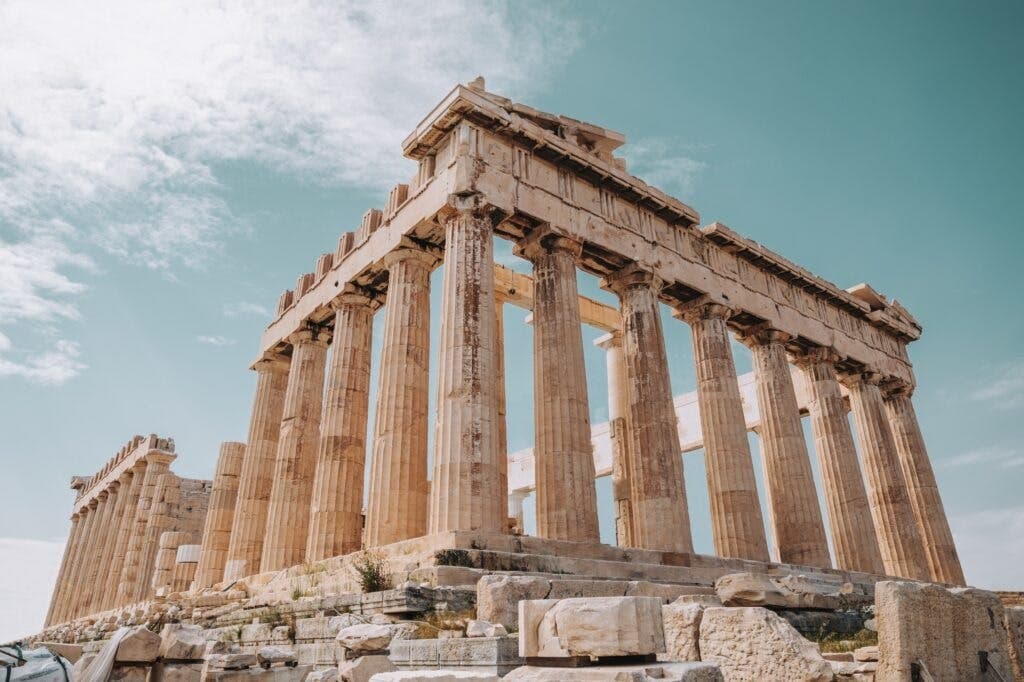
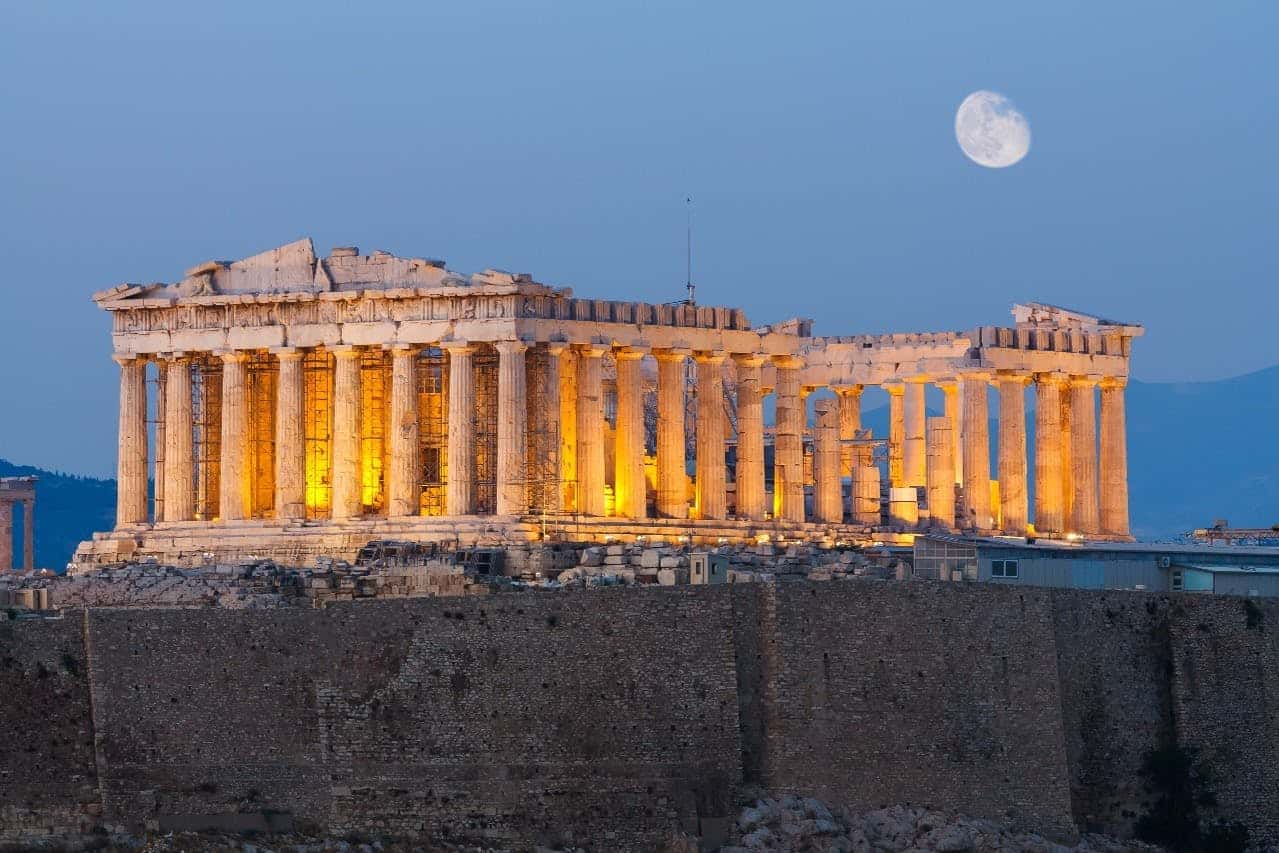
The Parthenon is the centrepiece of the Acropolis archaeological site in Athens and the reason visitors from every corner of the world make the climb to the sacred rock. Completed in 432 BC under the direction of the sculptor Pheidias and the architects Iktinos and Kallikrates as part of Pericles' extraordinary building programme, the Parthenon was dedicated to Athena Parthenos, the patron goddess of Athens, and designed to be the greatest temple the Greek world had ever produced.

The temple's perfection lies in details invisible to the casual eye. Its columns lean almost imperceptibly inward and swell slightly in the middle to correct the optical illusion that would otherwise make them appear to bend outward. The steps of the platform curve upward at the centre so that they appear level to the human eye. Every element was calculated to create a building that appears more perfect than geometry alone could achieve, a building whose subtle mathematical corrections fool the eye into seeing ideal straightness and proportion that does not literally exist.

The Parthenon's sculptural programme, created by Pheidias and his workshop, was the most ambitious and expensive in ancient Greek history. The 160-metre frieze running around the exterior depicted the Panathenaic procession in extraordinary detail. The metopes told stories of mythological battles. The pediments housed enormous sculptural groups depicting the birth of Athena and her contest with Poseidon for patronage of the city. Surviving fragments of this programme are displayed in the Acropolis Museum at the foot of the hill.

Entry to the Parthenon is included in the Acropolis of Athens ticket. Book your Acropolis of Athens tickets now and stand before the building that changed the history of human creativity.

Know Before You Go Greece Athens Parthenon Entry Tickets

The marble and limestone surfaces of the Acropolis are highly polished and can be extremely slippery so non-slip footwear is essential for safety on the ancient surfaces

Arrive at the south entrance on Dionysiou Areopagitou Street near the Acropolis Museum rather than the main west entrance to avoid the busiest queues and cruise ship groups that arrive from 09:00 onwards

Note that ongoing restoration works have periodically involved scaffolding on parts of the Parthenon since the 1970s though the monument is always accessible and the scale of the building means that scaffolding affects only portions of the structure at any one time

The Parthenon is accessed exclusively through the Acropolis of Athens archaeological site and does not have a separate entry ticket so you must book an Acropolis of Athens ticket to visit

Timed entry is mandatory at the Acropolis and popular morning slots sell out weeks ahead so booking as early as possible is strongly recommended especially from May to September

Things To Carry

Photo ID
Tickets (Digital or Printed)
Comfortable Clothing
Small Backpack
Comfortable Shoes
Passport

Policies

Confirmation Policy

Booking is confirmed within 15 minutes.
If you don’t see it check your spam folder or contact us.
Alternate nearby slots can be arranged if your preferred time is unavailable.

Payment Policy

100% Payment has to be made at the time of booking.

Cancellation Policy

Free reschedule available until 72 hours before your travel date.
Free cancellation available until 72 hours before your travel date.

FAQs

1When was the Parthenon built?

Construction of the Parthenon began in 447 BC and the building was completed and dedicated to the goddess Athena in 432 BC. It was built under the direction of the sculptor Pheidias and the architects Iktinos and Kallikrates as part of Pericles' ambitious programme to rebuild the Acropolis following its destruction by the Persians in 480 BC. It was constructed from Pentelic marble quarried from Mount Pentelikon approximately 16 kilometres north of Athens.

2Does the Parthenon have a separate entry ticket?

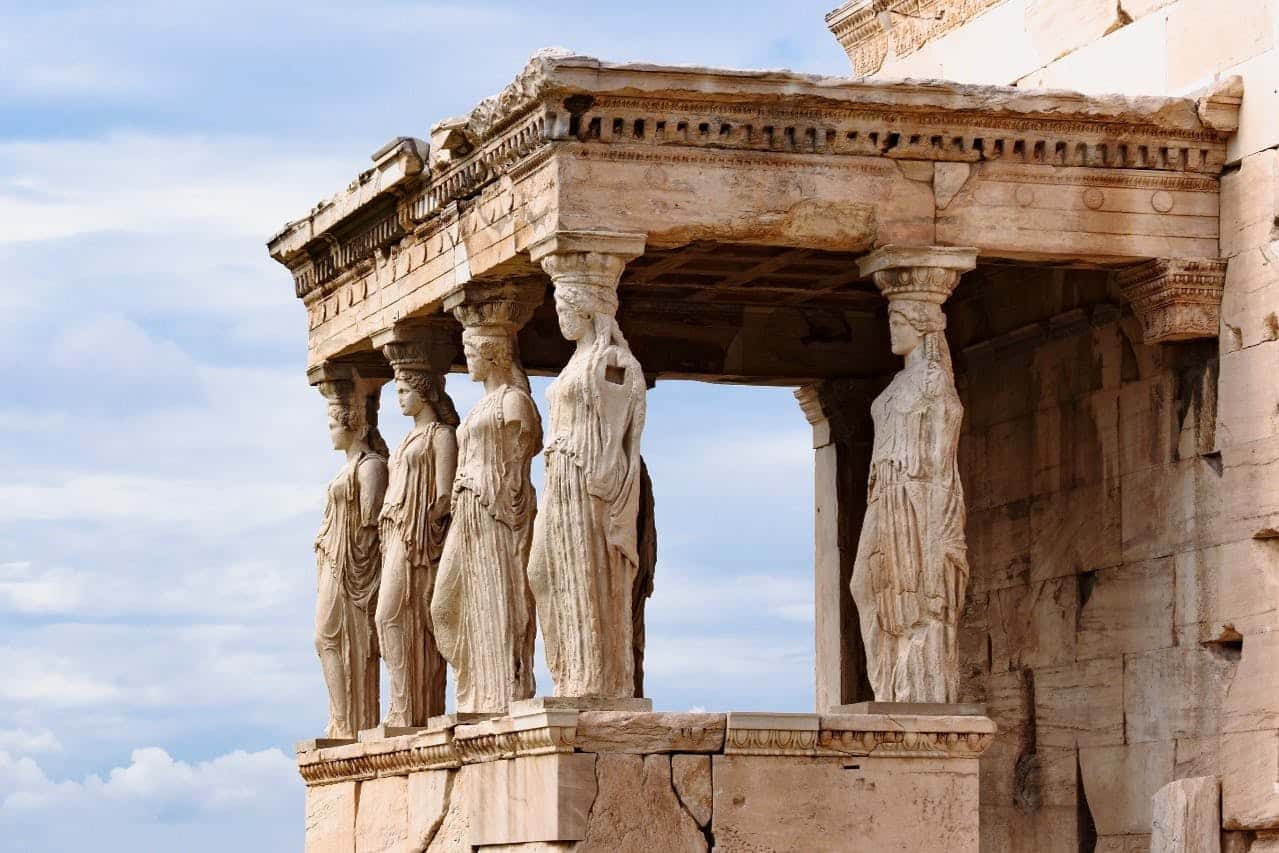
No. The Parthenon does not have a separate standalone entry ticket. It is located at the summit of the Acropolis archaeological site and is accessed exclusively via the Acropolis of Athens admission ticket. Every visitor to the Acropolis sees the Parthenon as the centrepiece of the site. An Acropolis ticket also gives access to all other monuments on the sacred rock including the Erechtheion, Propylaea, and Temple of Athena Nike.

3How do I get to the Parthenon and the Acropolis?

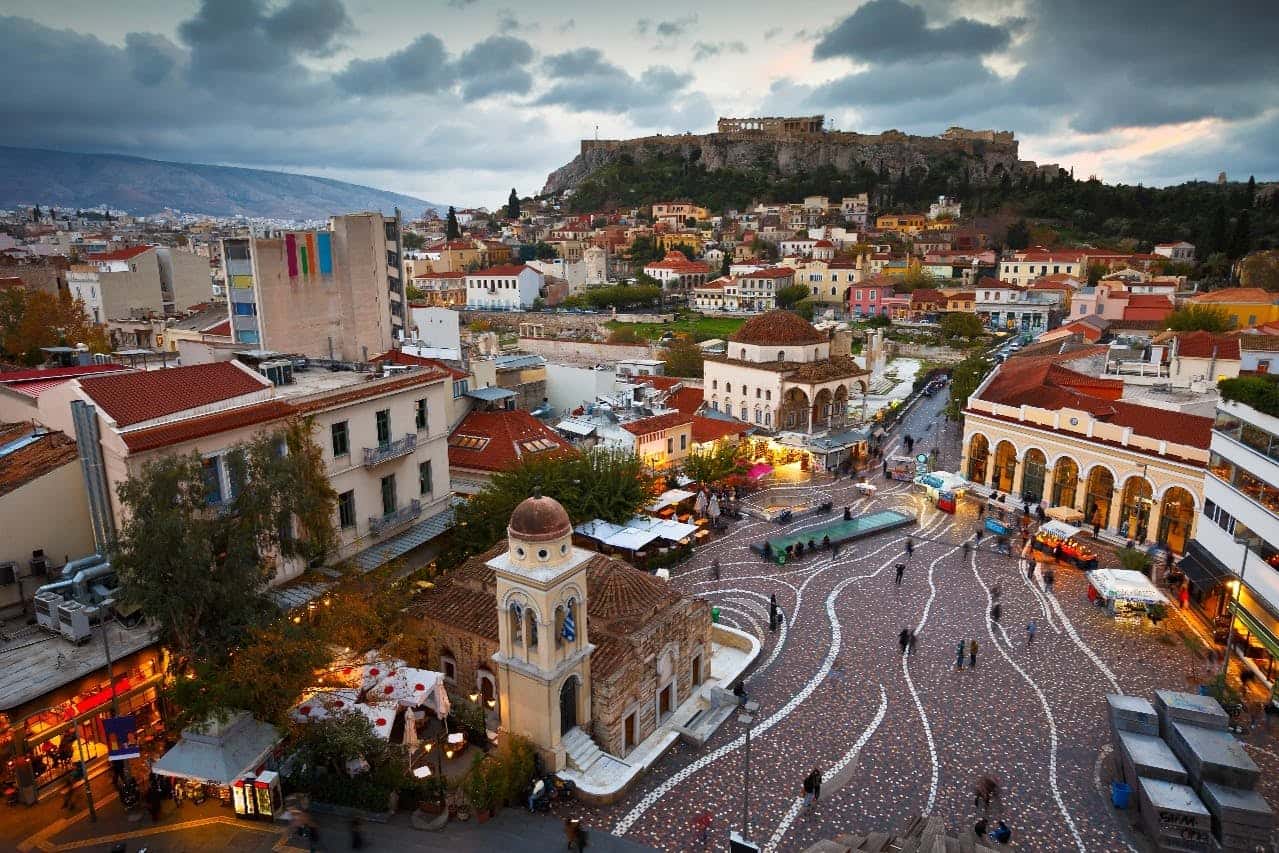
The Parthenon is reached by climbing the Acropolis hill in central Athens. The most convenient transport option is Metro Line 2 (Red Line) to Akropoli station, approximately a 5-minute walk to the south slope entrance on Dionysiou Areopagitou Street. The main west entrance is accessible from the Monastiraki area. The south entrance is recommended as it is less crowded and adjacent to the Acropolis Museum.

4What makes the Parthenon architecturally extraordinary?

The Parthenon's perfection lies in a series of subtle optical refinements invisible to the naked eye. Its columns lean inward by a tiny fraction and swell slightly in the middle to counteract optical illusions that would otherwise make them appear to curve outward. The platform's steps curve upward at the centre to appear level rather than bowing. Every element was deliberately calibrated to make the building appear more perfectly geometrical than it actually is.

5What happened to the Parthenon's sculptures?

The Parthenon's original sculptural programme by Pheidias was the most ambitious in the ancient Greek world. Much of it survives in fragmentary form. The largest collection of surviving sculptures, known as the Elgin Marbles or Parthenon Marbles, was removed by Lord Elgin in the early 19th century and is now displayed in the British Museum in London. Other fragments are in the Acropolis Museum in Athens, the Louvre in Paris, and several other European museums. Greece has long campaigned for the return of the London sculptures.

6Can I go inside the Parthenon?

No. Entry inside the Parthenon is not permitted for visitors. The building is an active archaeological monument undergoing restoration and preservation. Visitors explore the Acropolis summit around the exterior of the Parthenon and the other monuments. The interior of the ancient temple, which once housed a colossal gold and ivory statue of Athena Parthenos by Pheidias, is now accessible only to archaeologists and conservation teams.

7How has the Parthenon been damaged over the centuries?

The Parthenon has suffered significant damage throughout its history. In the 5th century AD it was converted into a Christian church and many ancient sculptures were removed or defaced. In the 15th century it became a mosque under Ottoman rule. The most devastating damage occurred in 1687 when Venetian artillery struck the building during a siege, igniting Ottoman ammunition stored inside and blowing out the entire central section. Much of the damage visible today dates from this explosion.

8What is the ongoing restoration work on the Parthenon?

The Parthenon has been subject to a major restoration programme since 1975, managed by the Acropolis Restoration Service. The project involves stabilising and partially reconstructing elements of the structure using original and new Pentelic marble. Scaffolding has periodically covered sections of the building during intensive phases of work. Light scaffolding returned to the western facade in late 2025 for final touches with completion expected by summer 2026, after which the monument's exterior should remain clear for the long term.

$-

Write a Review

Share your experience to help others plan their trip.