
Taj Mahal Agra Entry Tickets


Free Cancellation

Mobile Voucher

15-minute Confirmation

No Booking fees
Taj Mahal Agra Entry Tickets Highlights
Taj Mahal Agra Entry Tickets Packages

Available Packages
Select your ticket option
Starting Price
$13.00
Starting Price
$16.00
Starting Price
$18.00
Starting Price
$18.00
Taj Mahal Agra Entry Tickets Overview
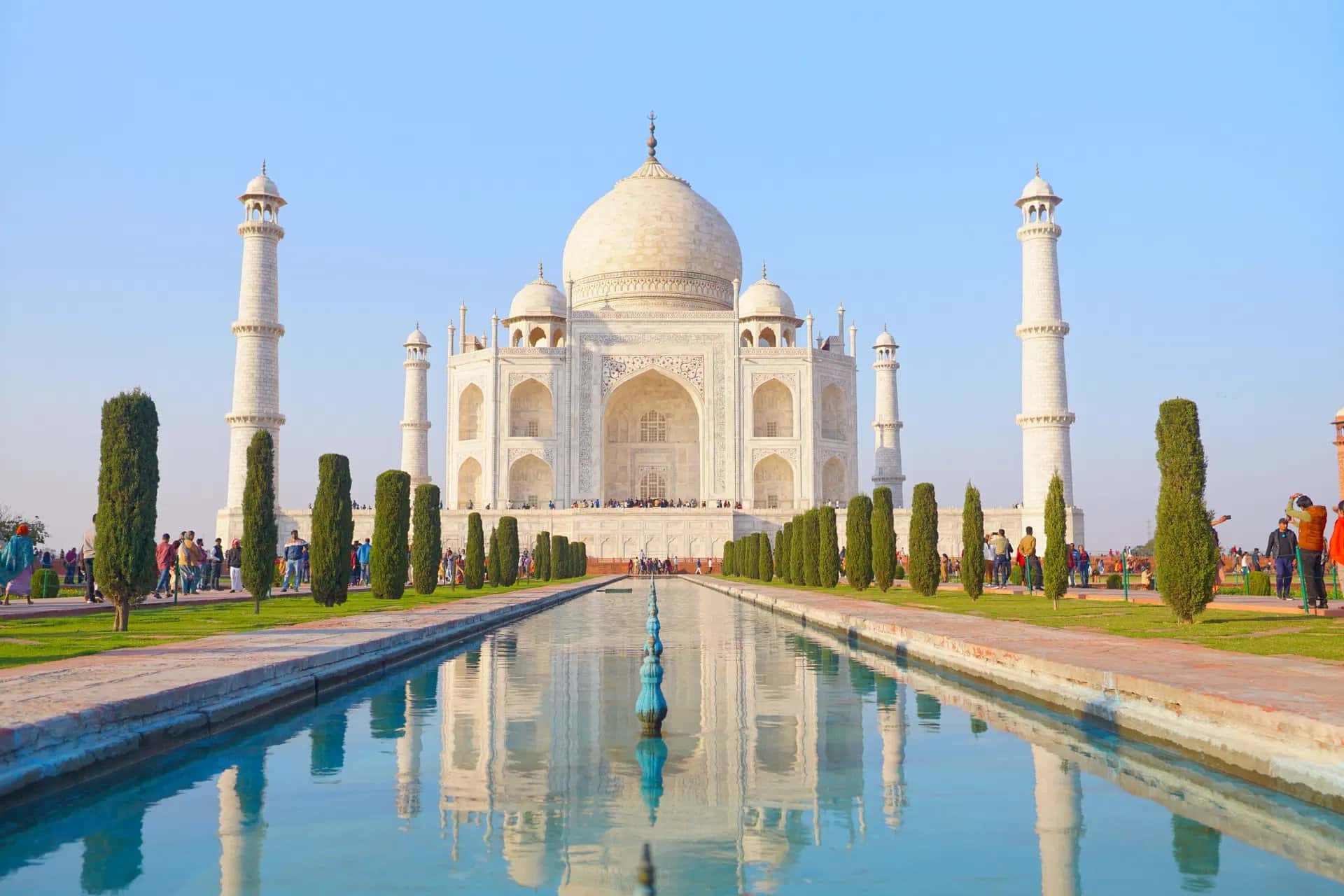
The Taj Mahal was commissioned in 1632 by Mughal Emperor Shah Jahan as a mausoleum for his third wife Mumtaz Mahal, who died during childbirth in that year. Construction took approximately 21 years and employed around 20000 workers and artisans from across India, Persia and Central Asia. The complex was complete by 1653. It stands on the southern bank of the Yamuna River in Agra, Uttar Pradesh.
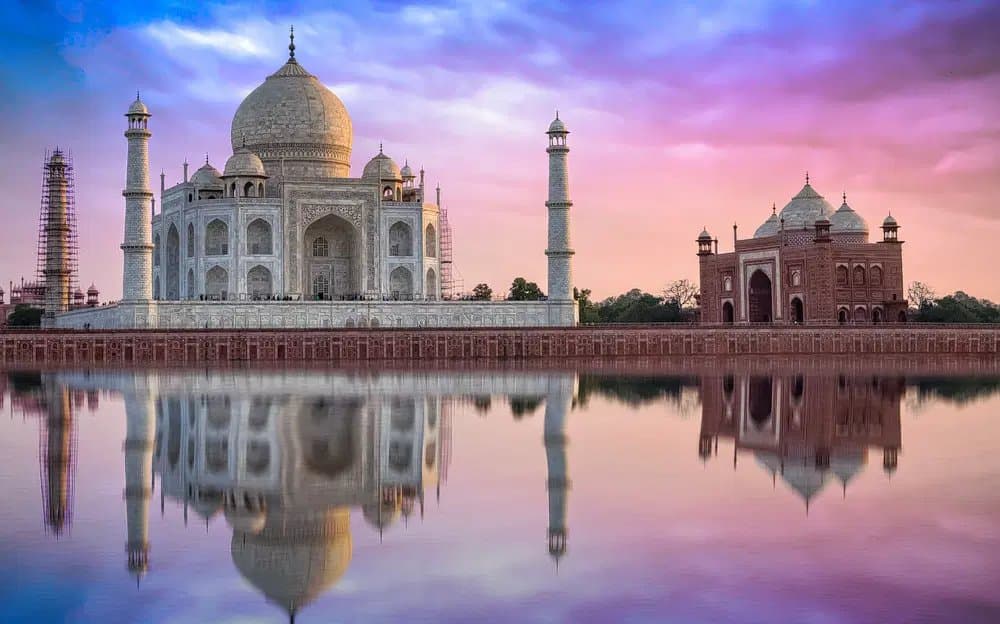
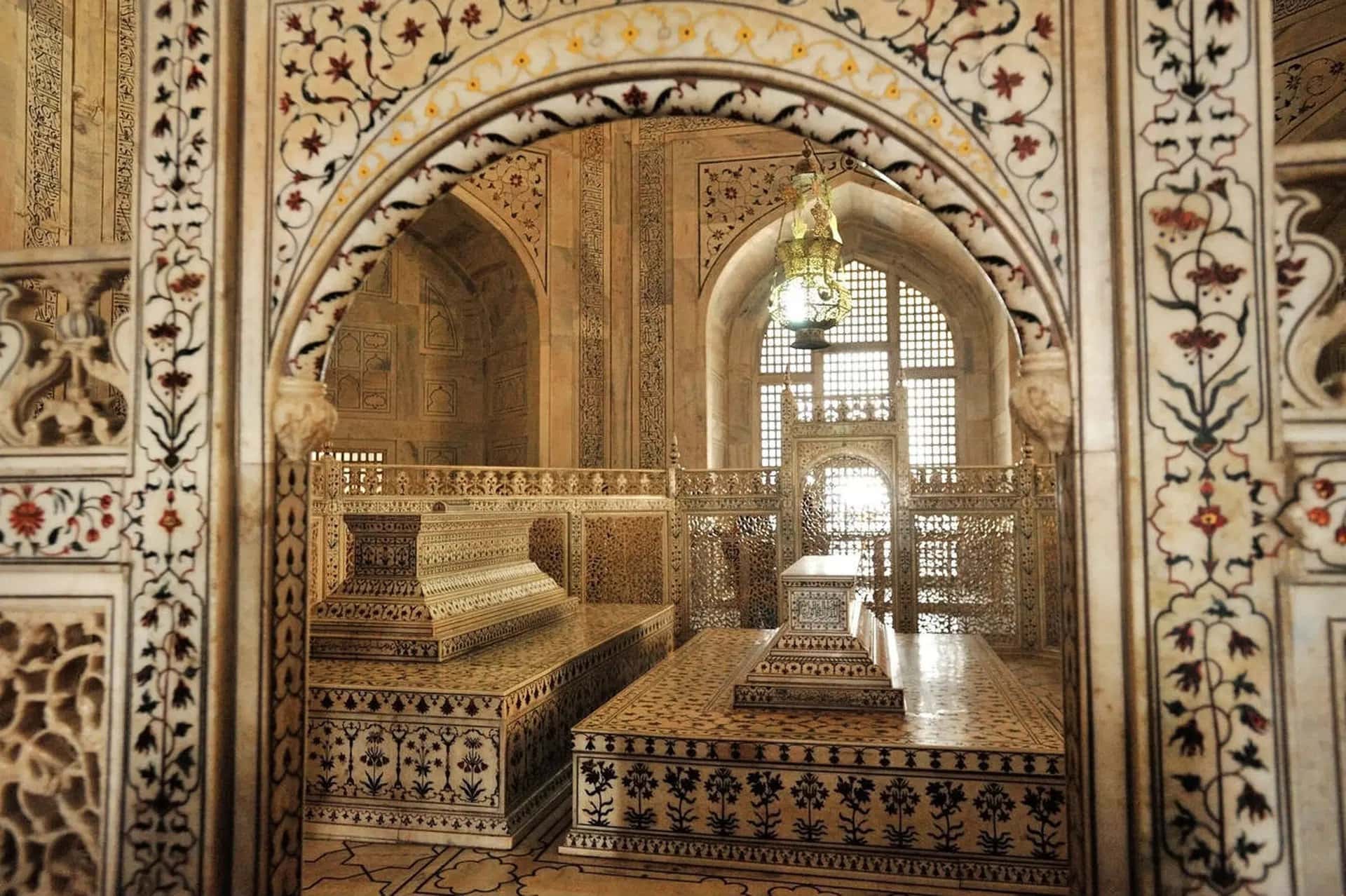
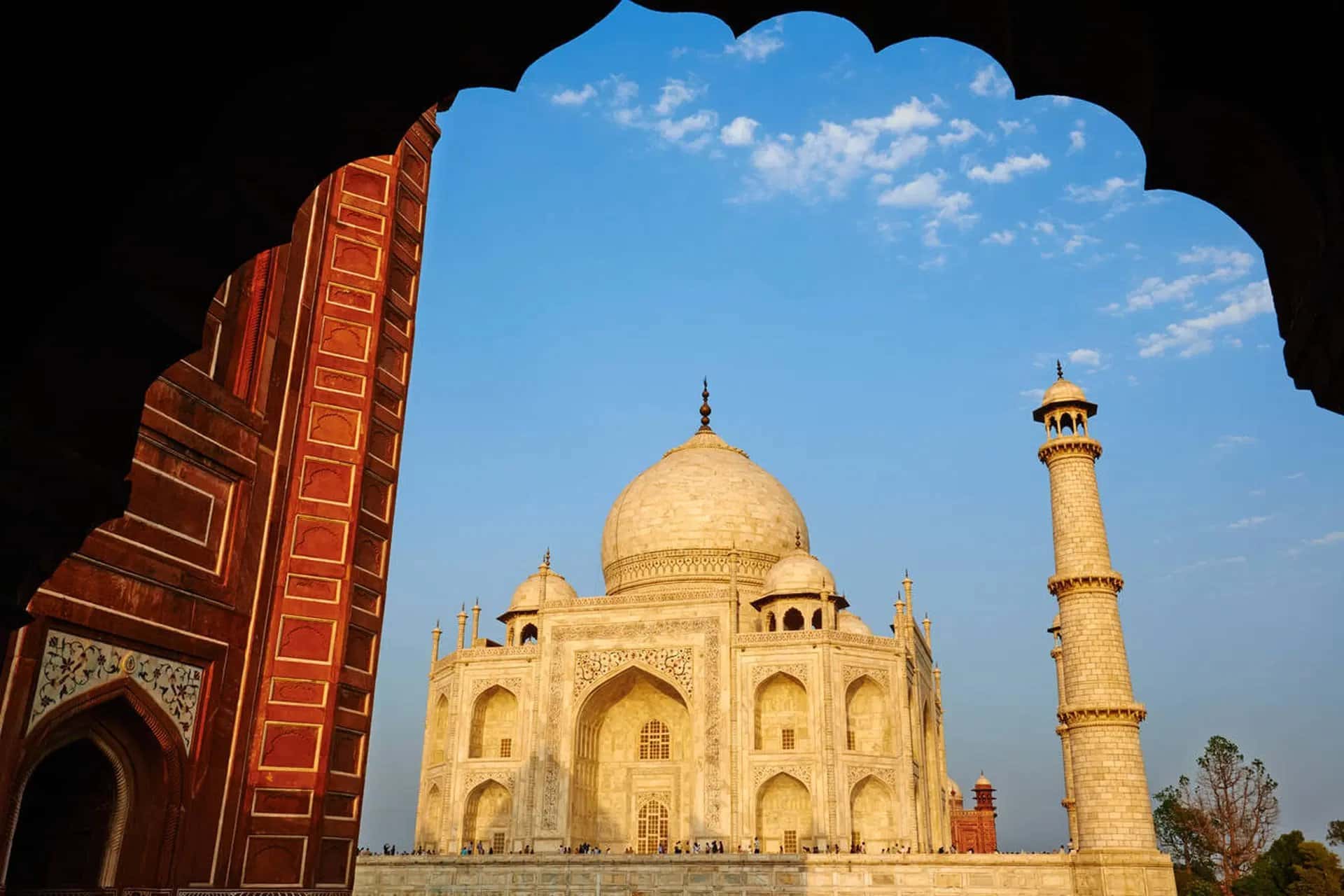
The central mausoleum is built from white Makrana marble sourced from Rajasthan and features inlay work in precious and semi-precious stones including carnelian, lapis lazuli, jade and crystal in patterns of flowers and geometric forms that cover the interior and exterior walls in extraordinary density. The building is set at the northern end of a formal char bagh paradise garden divided into four quadrants by water channels that reflect the dome. Four minarets stand at the corners of the plinth and lean slightly outward so that in the event of an earthquake they would fall away from the central tomb.
The Taj Mahal follows a sunrise-to-sunset schedule, opening approximately 6 am and closing around 6:30 pm in September. It is closed every Friday. Night viewing on the full moon and two nights before and after is by special advance arrangement.
Know Before You Go
The Taj Mahal is closed every Friday; plan your visit on any other day of the week
September hours are approximately 6 am to 6:30 pm following the sunrise-to-sunset schedule
Night viewing on the full moon and two nights before and after requires a separate advance booking via the ASI
Visits before 8 am offer the best light and smallest crowds across the full Taj Mahal complex
The east gate on Shilpgram Road typically has shorter queues than the more popular west gate
Things To Carry
Policies
Confirmation Policy
Cancellation Policy
FAQs
The Taj Mahal opens 30 minutes before sunrise and closes 30 minutes before sunset every day except Friday. In September this means approximately 6 am to 6:30 pm. The monument is closed every Friday for prayers and maintenance. Last entry is approximately 30 minutes before closing.
The Taj Mahal is closed to tourists every Friday. The mosque within the complex holds Jumu'ah congregational prayers on Fridays and the entire complex is reserved for worshippers on that day. This closure is permanent and applies every week throughout the year without exception.
Sunrise is widely considered the most beautiful and least crowded time to visit. The white marble turns from rose to gold to brilliant white as the sun rises and the garden is at its quietest in the early morning. Arriving at the gate by 6 am gives the best experience of the changing light.
Yes. Night viewing is available on the full moon night and the two nights immediately before and after, totalling five nights per month. Night viewing is not available on Fridays or during Ramadan. Tickets must be booked at least 24 hours in advance from the Archaeological Survey of India office on Mall Road in Agra. Entry is from 8:30 pm and visitors are admitted in groups of 50.
Construction began in 1632 and took approximately 21 years to complete. Around 20000 workers and artisans from India, Persia and Central Asia were employed. The white marble came from Makrana in Rajasthan and the semi-precious stones for the inlay work were sourced from across Asia. Twenty elephants were used to transport materials to the site.
The inlay work, known as pietra dura or parchin kari, uses small pieces of semi-precious stones including carnelian, lapis lazuli, jade, turquoise, crystal and coral set into the white marble in patterns of flowers, vines and geometric forms. The technique was introduced to India from Persia and Italy and reached its most refined expression in the Taj Mahal.
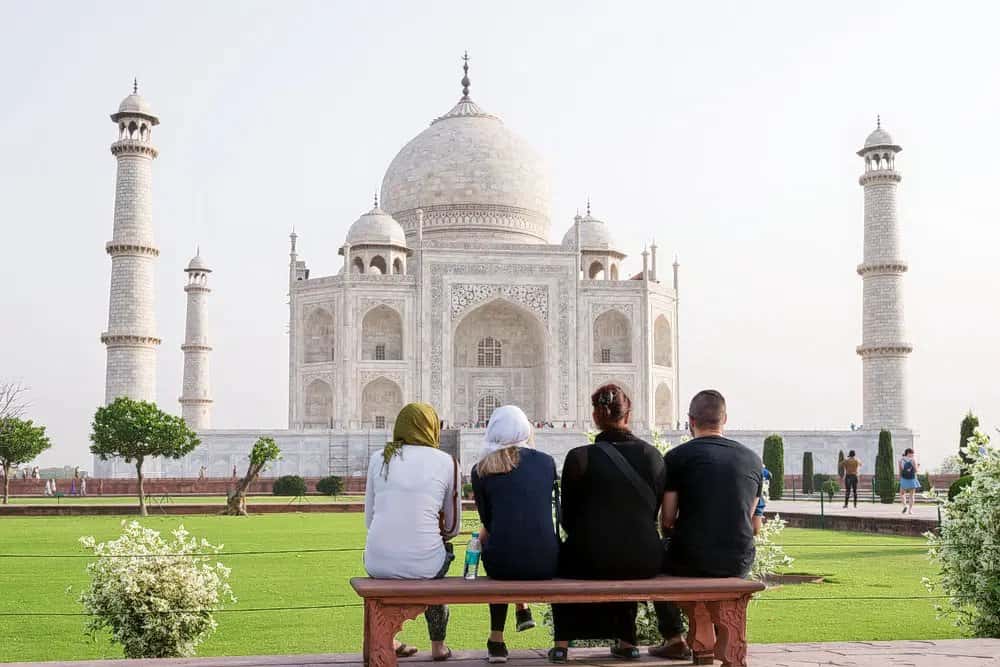
The west gate near Taj Ganj is the most commonly used entrance and typically has the longest queues. The east gate on Shilpgram Road and the south gate are generally quieter and offer faster entry. All three gates give access to the same complex.
Food, beverages, tripods, selfie sticks, tobacco, chewing tobacco and large bags are not permitted inside the Taj Mahal complex. Photography using mobile cameras is permitted throughout the grounds. Professional photography equipment requires prior permission.
Write a Review
Share your experience to help others plan their trip.