
Jama Masjid Old Delhi Entry Tickets


Free Cancellation

Mobile Voucher

15-minute Confirmation

No Booking fees
Jama Masjid Old Delhi Entry Tickets Highlights
Jama Masjid Old Delhi Entry Tickets Overview
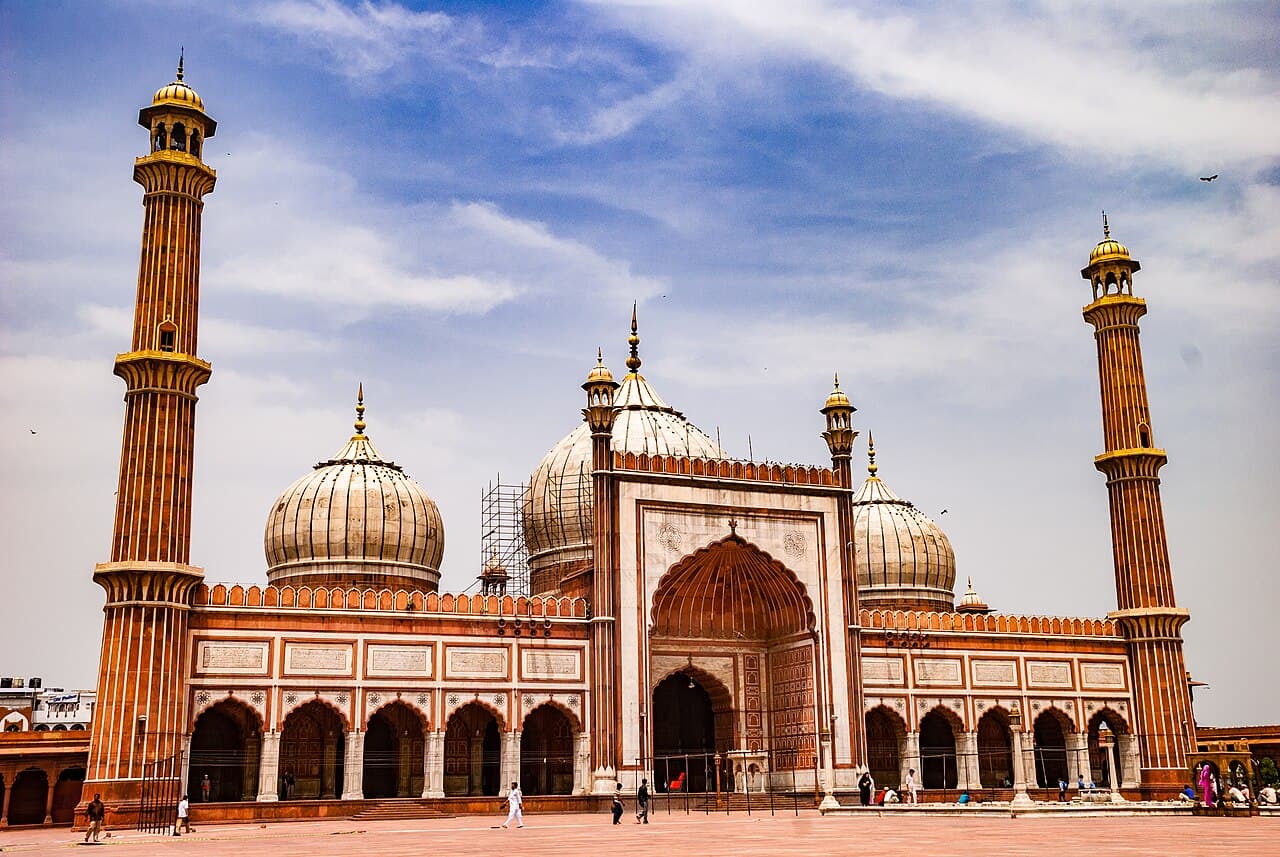
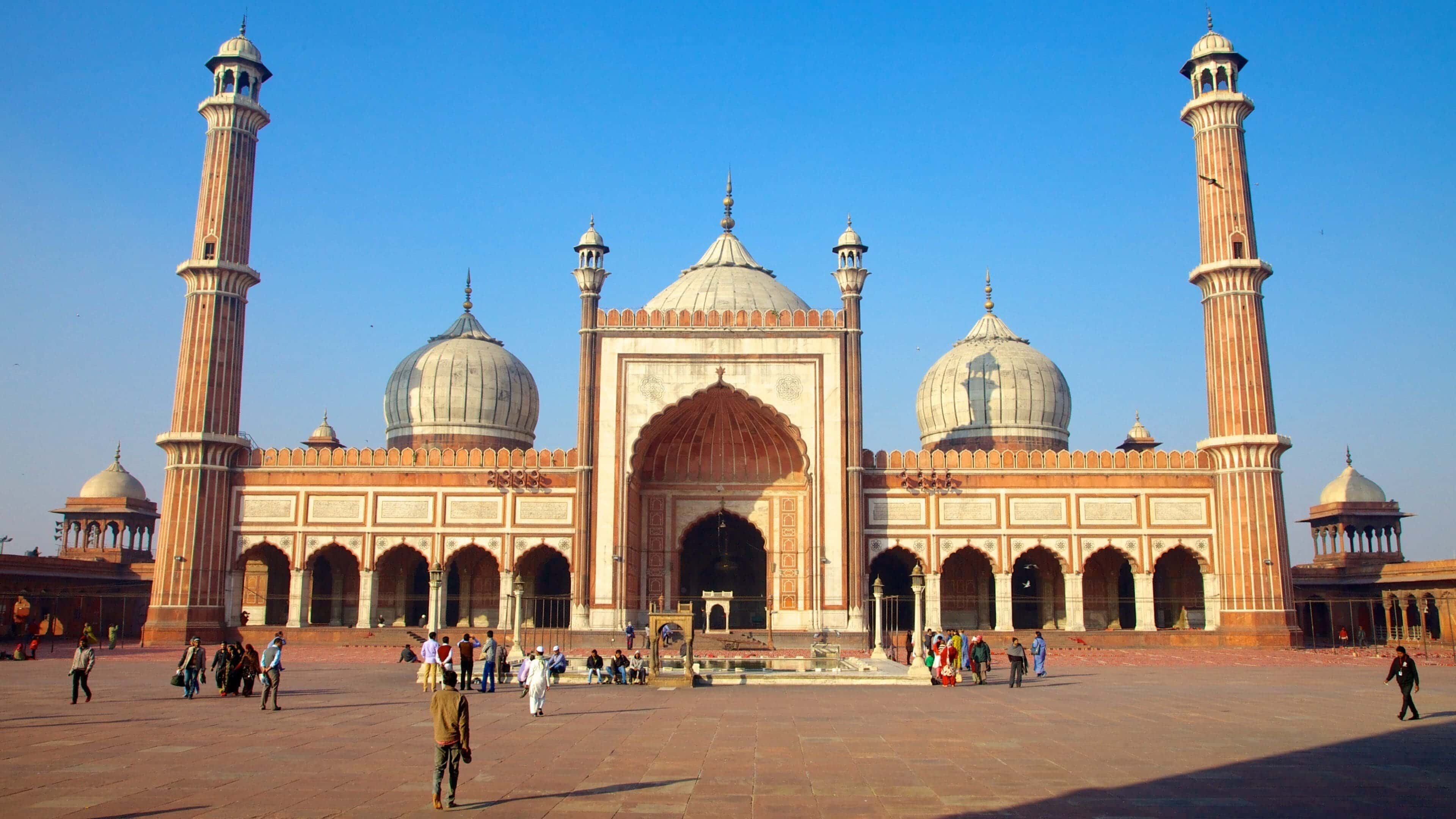
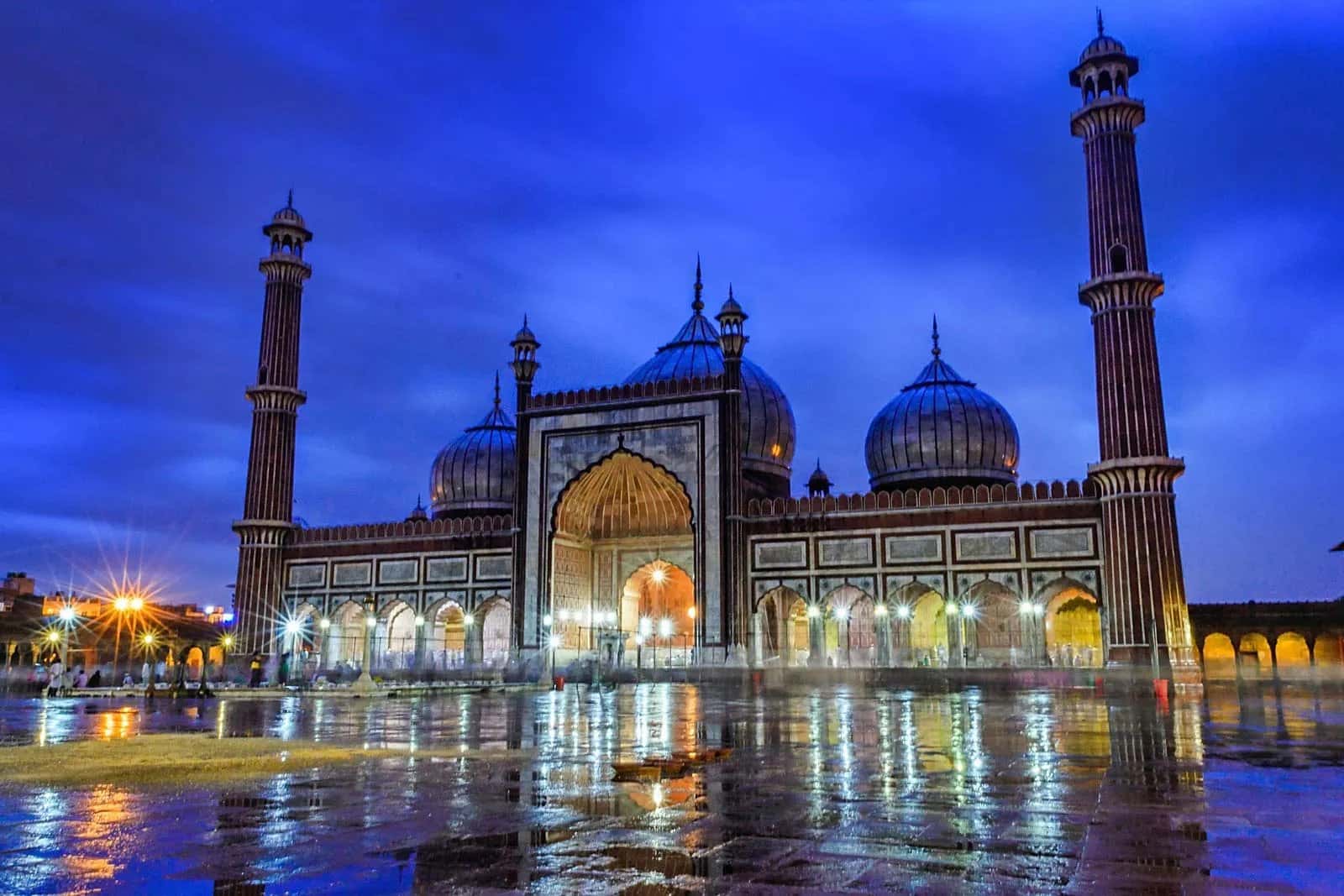
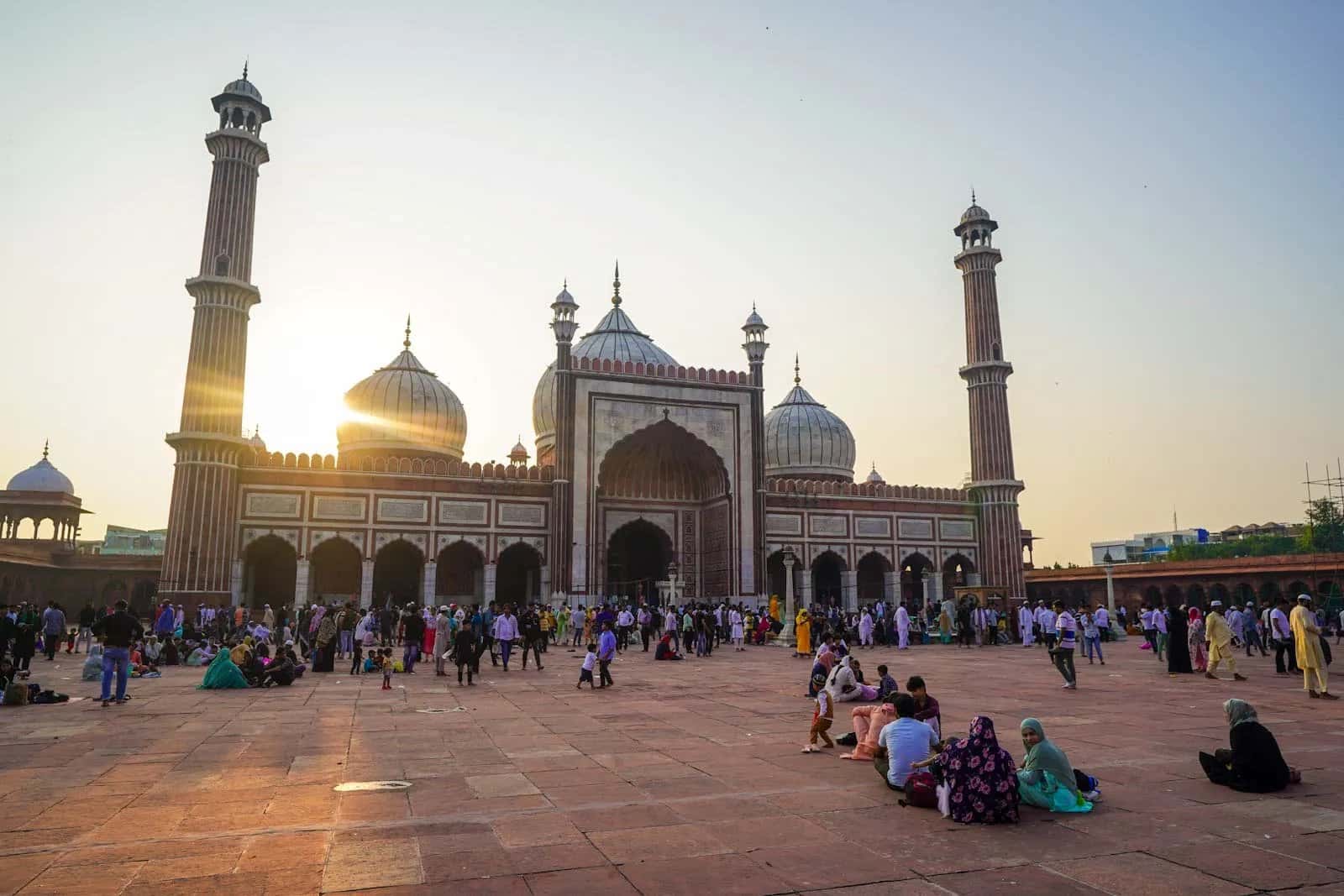
Jama Masjid, officially Masjid-i-Jahan-Numa meaning the mosque commanding a view of the world, was built by Mughal Emperor Shah Jahan between 1644 and 1656 as the principal mosque of his new capital Shahjahanabad, today's Old Delhi. It was Shah Jahan's final and most ambitious architectural commission before his imprisonment by his son Aurangzeb. The mosque is the largest in India and can accommodate 25000 worshippers in its courtyard at one time.
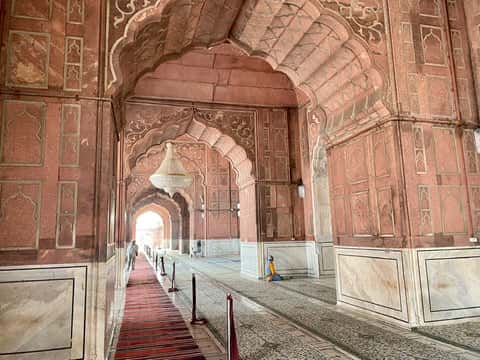
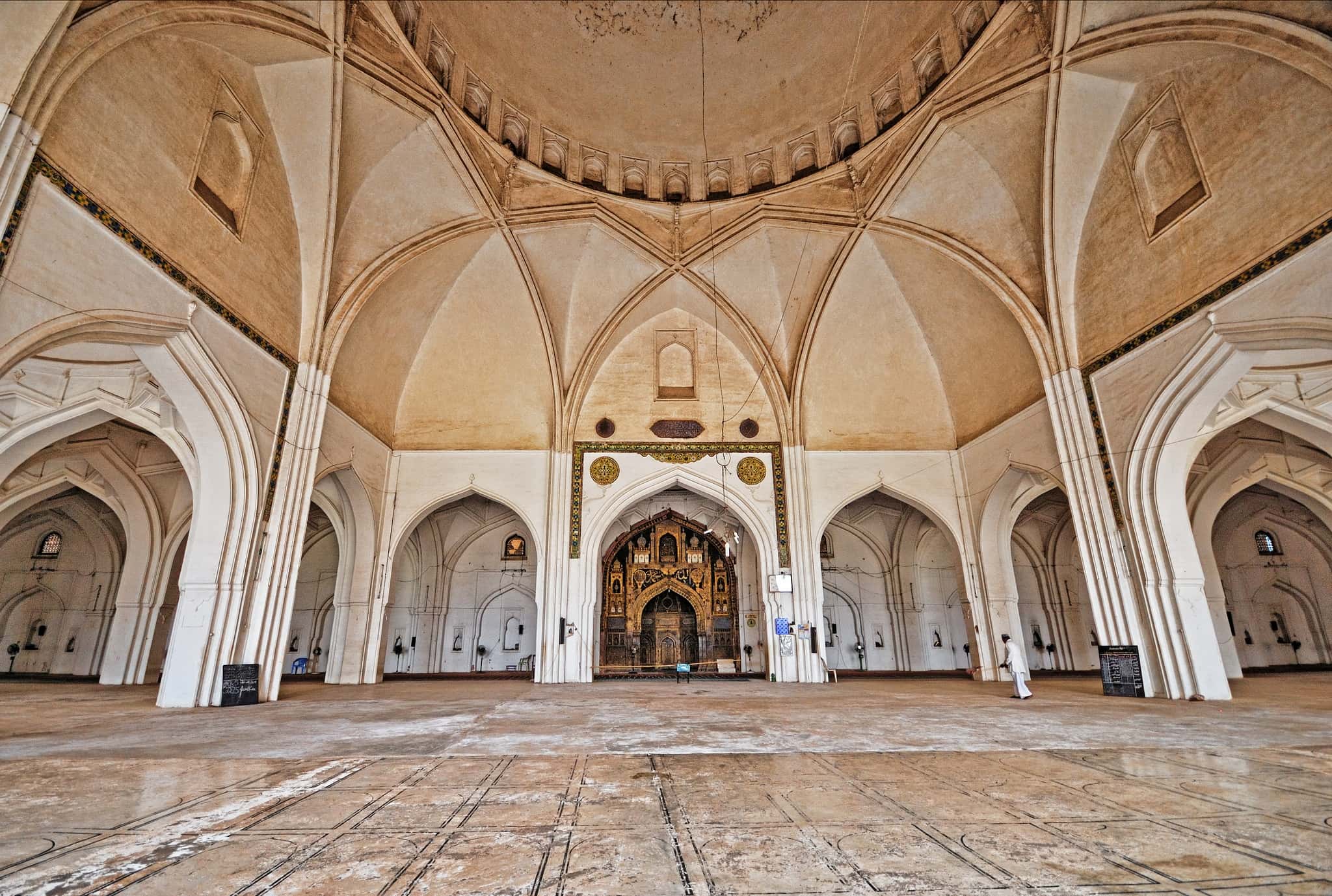
The building's construction used red sandstone and white marble in the proportions and decorative vocabulary that define the Mughal architectural tradition. Three marble domes top the main prayer hall. Two minarets rise 40 metres above the courtyard and are accessible by a separately arranged climb that offers some of the most commanding views available over the rooftops of Old Delhi and the distant Red Fort. The main prayer hall is flanked by three great gateways, the largest of which on the south side was reserved for the Emperor.
Jama Masjid is an active place of worship and visitors are welcome outside prayer times with modest dress required. The surrounding lanes of Old Delhi, particularly Matia Mahal Bazaar, form one of the most atmospheric urban environments in the country for street food and traditional commerce extending across centuries.
Know Before You Go
Jama Masjid is open from 8 am to sunset daily but closes during the five daily prayer times for 20 minutes
Non-Muslim visitors must wait outside the prayer hall during prayer times; the courtyard may remain accessible
Modest dress is required for all visitors; robes are available to borrow at the main gate if needed
The minaret climb requires a separate arrangement at the gate and may have limited access on Fridays
The mosque is closed to non-Muslim visitors during the Friday Jumu'ah prayer from 12:30 pm to 2 pm
Things To Carry
Policies
Confirmation Policy
Cancellation Policy
FAQs
Jama Masjid is open from approximately 8 am to sunset every day. The mosque closes during each of the five daily prayer times for 20 to 30 minutes. Non-Muslim visitors are excluded from the prayer hall area during these times. The main courtyard may remain accessible at quieter prayer times.
Yes. Non-Muslim visitors are welcome during non-prayer times throughout the week. On Fridays, non-Muslim access is restricted during the Jumu'ah congregational prayer held in the early afternoon from approximately 12:30 pm to 2 pm. Access resumes after prayers conclude.
Modest dress covering shoulders, arms and legs is required for all visitors regardless of gender or religion. Shoes must be removed before entering the mosque complex. Robes are available to borrow at the main entrance gate for visitors who need additional covering.
The south minaret is accessible by a narrow spiral staircase of 130 steps and gives panoramic views over the rooftops of Old Delhi. Minaret access is arranged separately at the mosque gate. It may be unavailable during prayer times and on certain festival days.
Jama Masjid was commissioned by Mughal Emperor Shah Jahan in 1644 and completed in 1656 after 12 years of construction. It served as the central mosque of Shahjahanabad, Shah Jahan's new capital. The construction used over 5000 workers and artisans. It was Shah Jahan's last major architectural achievement before Aurangzeb imprisoned him in Agra Fort.
Take the Delhi Metro Yellow Line to Chawri Bazaar station or the Violet Line to Jama Masjid station. By auto-rickshaw from Connaught Place the journey takes approximately 20 to 30 minutes depending on traffic. The mosque is in Chandni Chowk in Old Delhi and pairs naturally with the Red Fort a short walk east.
Photography of the mosque exterior and courtyard is generally permitted. Photography inside the prayer hall may be restricted. Always ask before photographing worshippers as this is a functioning place of active religious worship. Photography from the minaret requires a separate arrangement.
The lanes immediately surrounding Jama Masjid form the food and shopping heart of Old Delhi. Matia Mahal Bazaar is renowned for Mughal-era food including kebabs and nihari. Chandni Chowk market extends west towards the Red Fort. A full Old Delhi walk combining the mosque, the food lanes and the Red Fort makes for one of the most distinctive half-days in India.
Write a Review
Share your experience to help others plan their trip.