
Qutub Minar Delhi Entry Tickets


Free Cancellation

Mobile Voucher

15-minute Confirmation

No Booking fees
Qutub Minar Delhi Entry Tickets Highlights
Qutub Minar Delhi Entry Tickets Packages

Available Packages
Select your ticket option
Starting Price
₹1,236.47
Qutub Minar Delhi Entry Tickets Overview
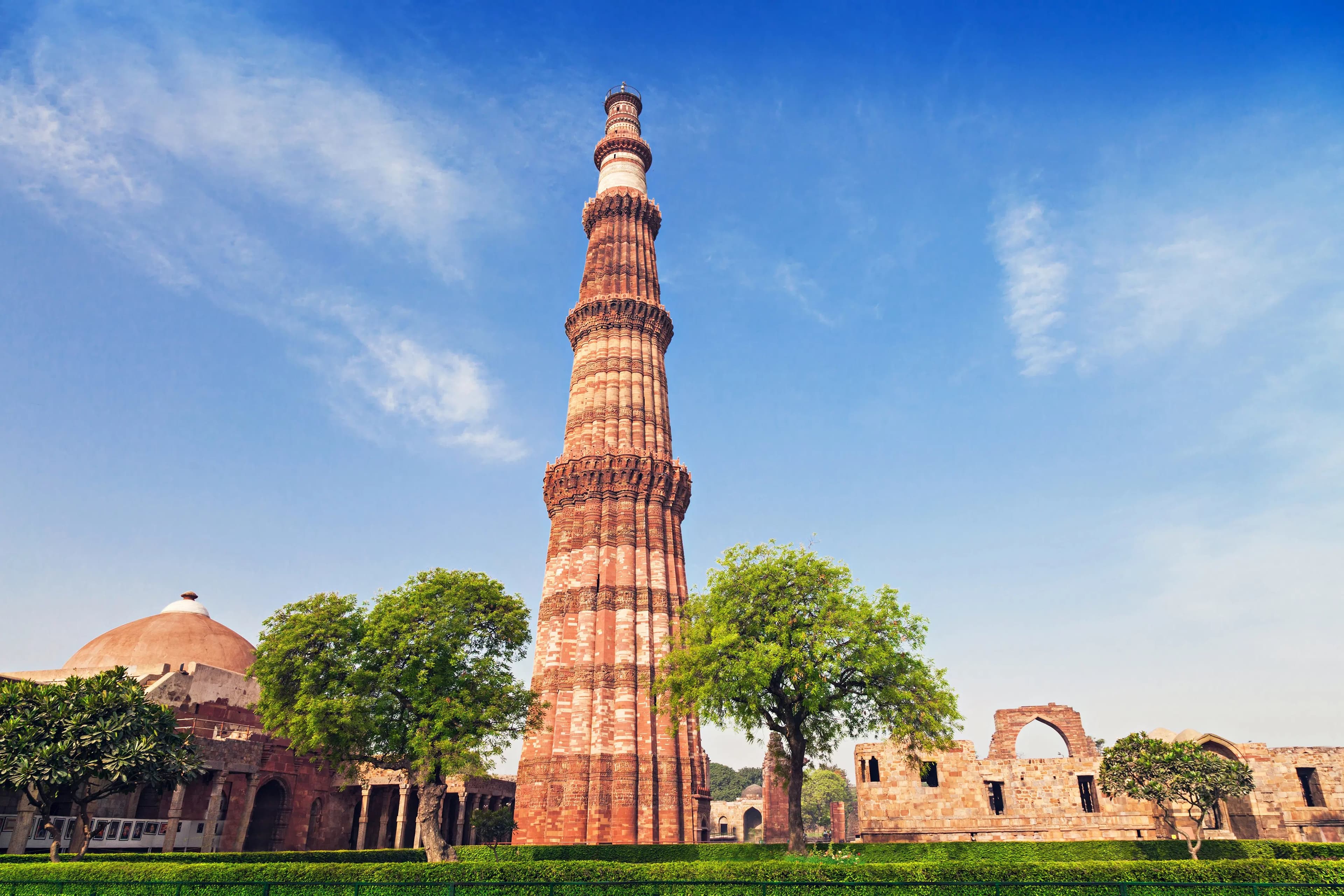
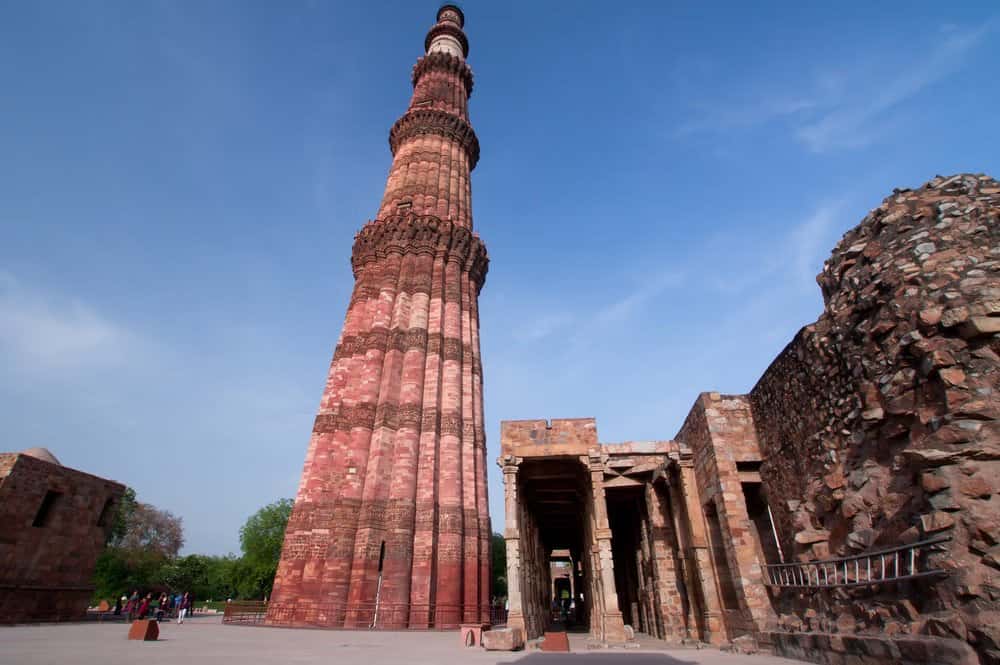
The Qutub Minar stands 73 metres tall in the Mehrauli area of South Delhi and is the tallest brick minaret anywhere in the world. Construction began in 1199 under Qutb-ud-din Aibak, the founder of the Delhi Sultanate, as a tower from which the muezzin would call the faithful to prayer in the newly established Islamic capital of the subcontinent. The minaret was completed and enlarged by his successors, with each successive storey marked by a distinct architectural treatment.
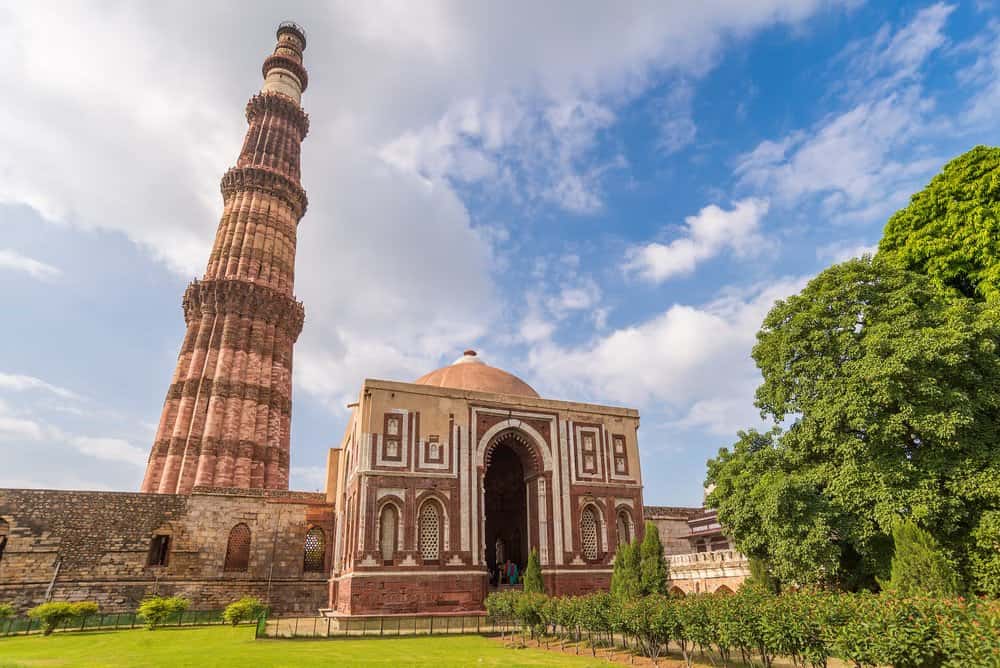
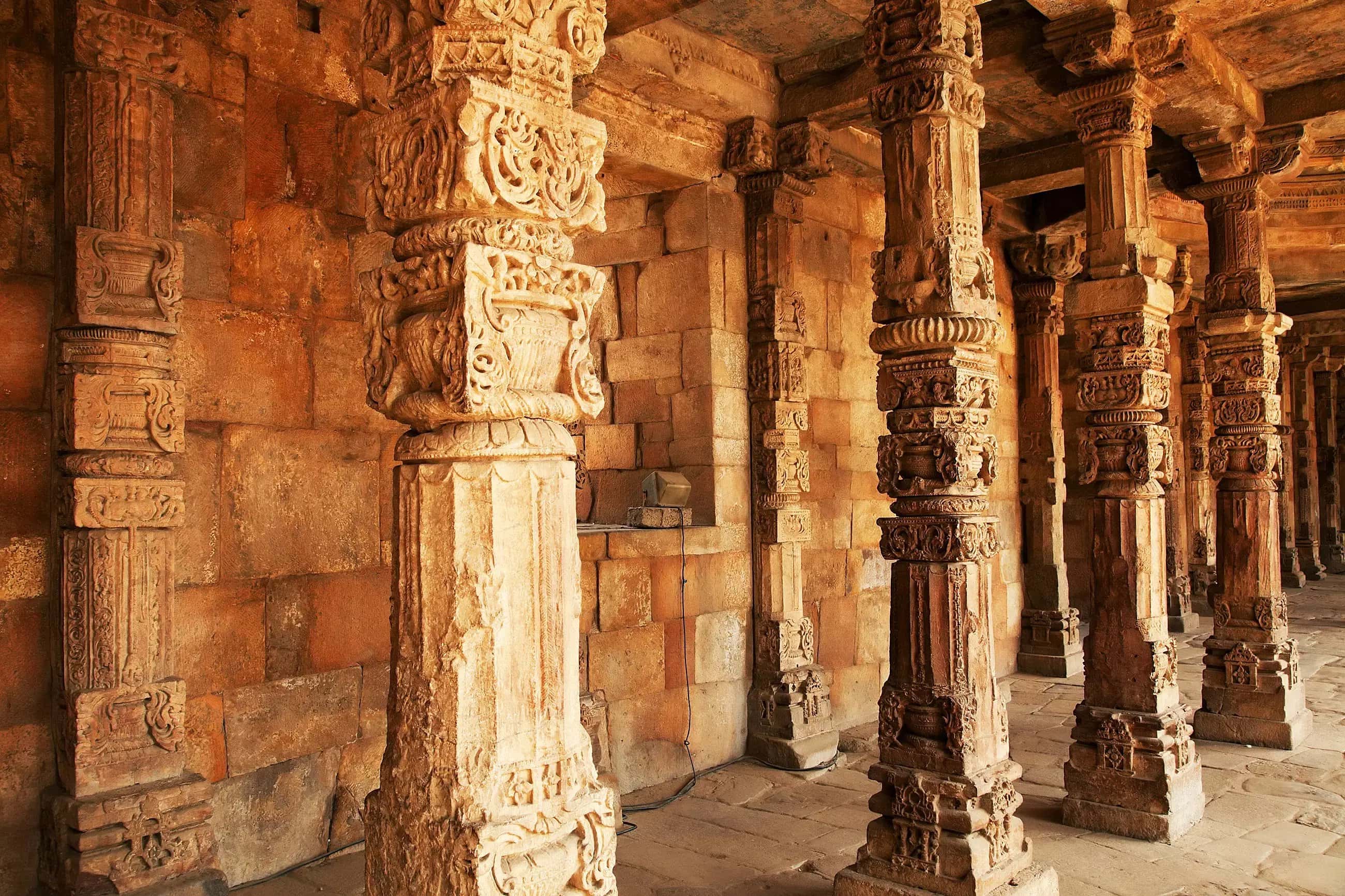
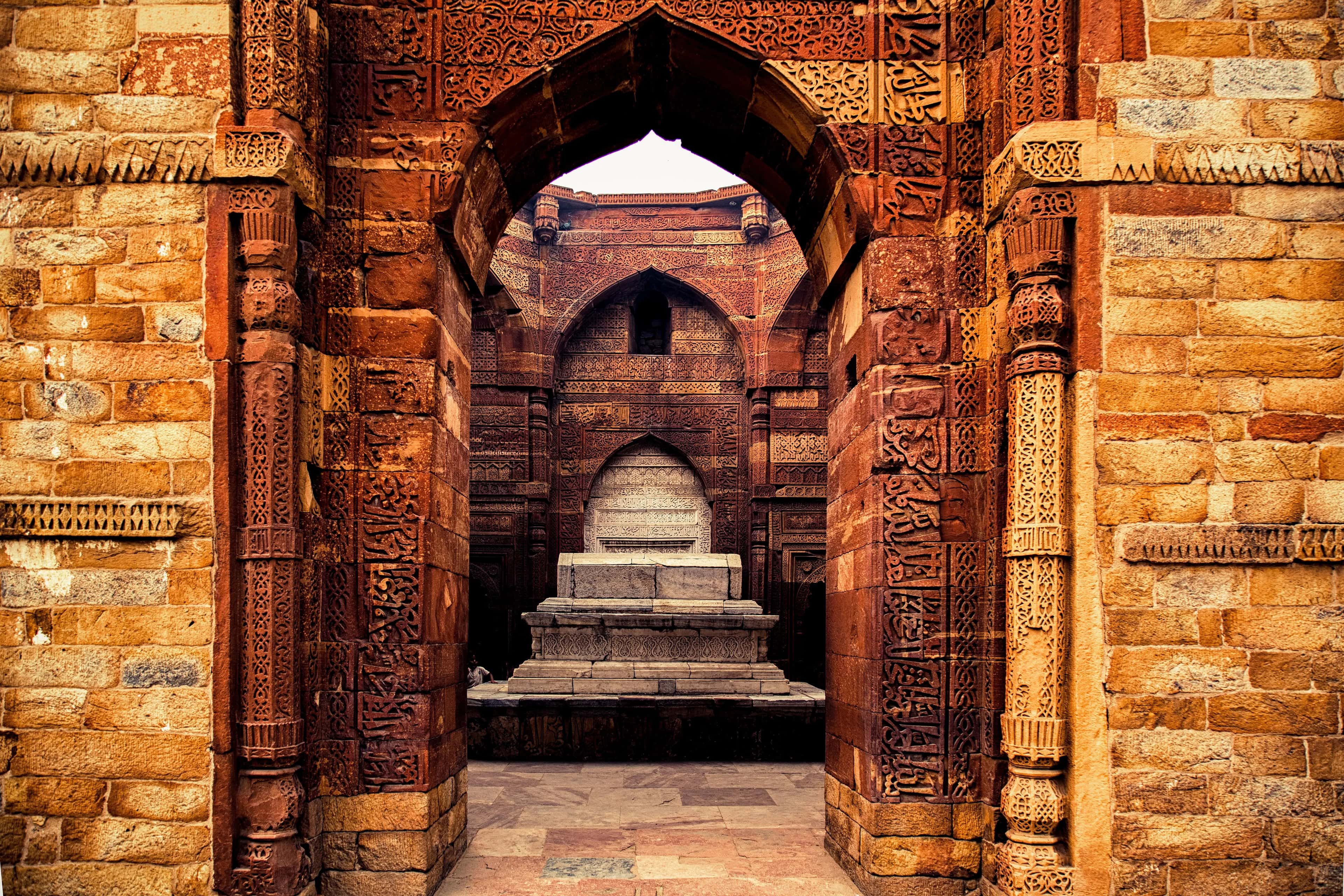
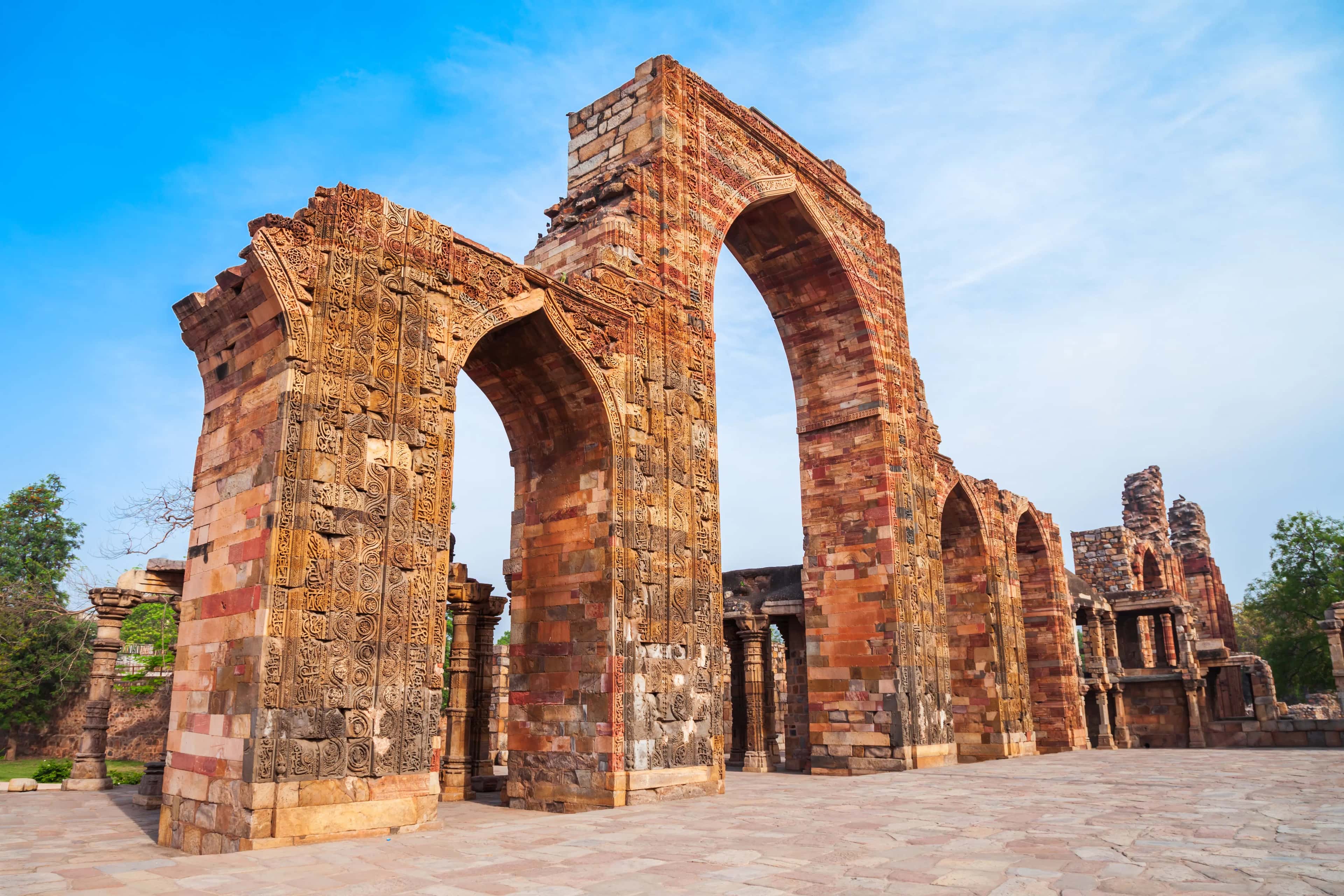
The Qutub Complex surrounding the minaret is itself a concentration of some of the most important early Islamic architecture in India. The Quwwat-ul-Islam Mosque, the first mosque to be built in India after the Islamic conquest, was constructed using the columns and materials of 27 demolished Hindu and Jain temples. Their original decorative carving is still visible on the recycled columns throughout the mosque's arcade. The Alai Darwaza, a gateway built in 1311, is considered one of the finest examples of early Islamic architecture in the country.
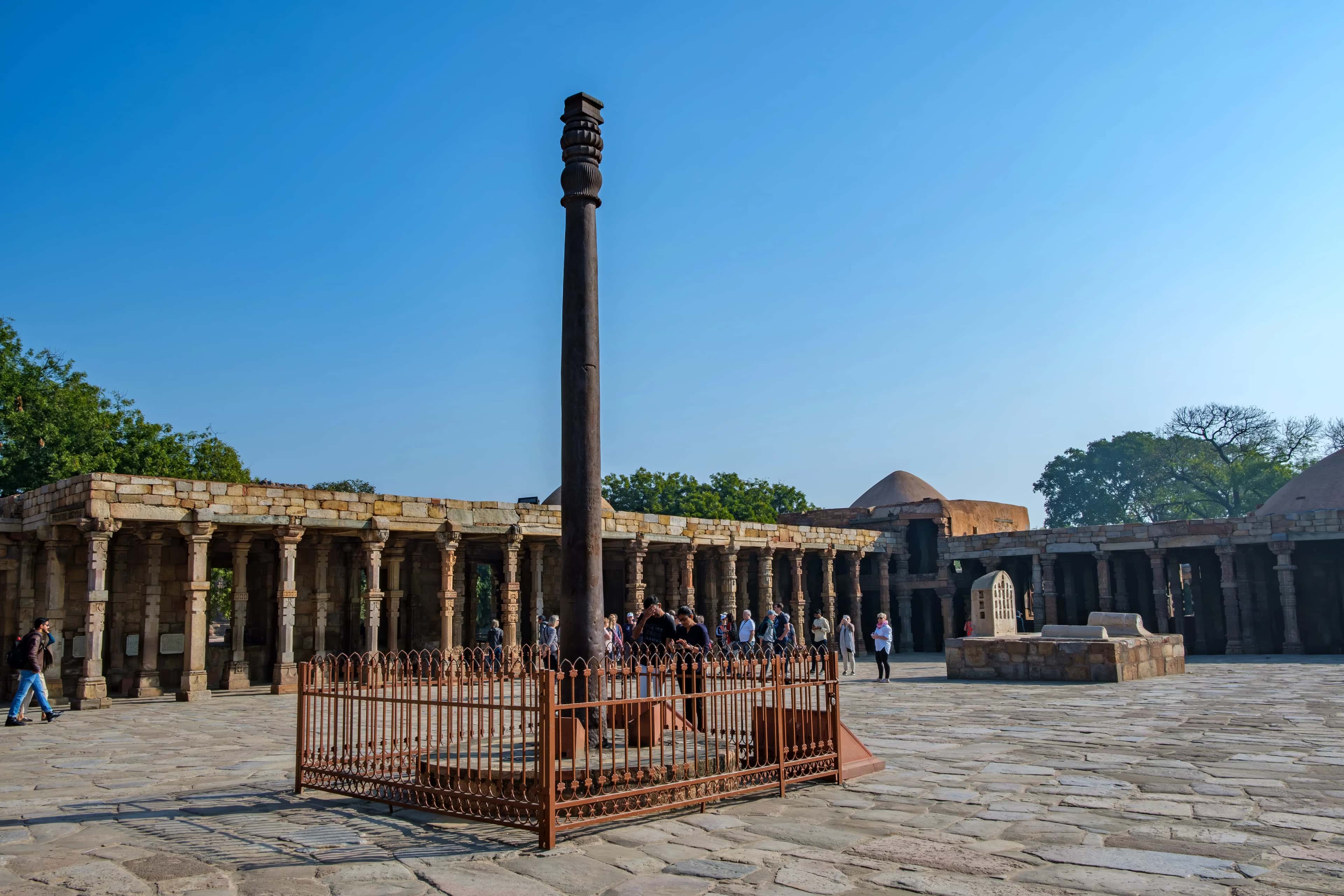
The Iron Pillar at the centre of the Quwwat-ul-Islam mosque is one of the most remarkable metallurgical achievements in history. Standing nearly 7 metres tall and dating from approximately the 5th century AD, it has remained almost entirely rust-free for 1500 years through a protective crystalline layer formed at manufacture.
Know Before You Go
The Qutub Complex is open every day from 7 am to 5 pm with last entry at 4:30 pm
Morning visits before 9 am offer the best light for photographs and smaller crowds before tour groups arrive
Climbing the minaret itself is not permitted; visitors can view it from the complex grounds only
Tripods and selfie sticks are not permitted inside the complex grounds
The nearest metro station is Qutub Minar on the Yellow Line approximately five minutes walk from the main gate
Things To Carry
Policies
Confirmation Policy
Cancellation Policy
FAQs
The Qutub Complex is open every day from 7 am to 5 pm. Last entry is at 4:30 pm. The site is open on all days of the week including public holidays though it is worth checking with the Archaeological Survey of India for any temporary closures.
No. Climbing the Qutub Minar has not been permitted since 1981 following a tragic accident. The minaret can be viewed from all angles in the complex grounds and photographed freely but internal access to the tower is not available to visitors.
The Iron Pillar stands at the centre of the Quwwat-ul-Islam Mosque within the complex. It is approximately 7 metres tall and is believed to date from the reign of Chandragupta II in the 4th to 5th century AD. Its near-complete resistance to rust over 1500 years is attributed to a protective crystalline layer formed during its original manufacture.
The complex holds the Quwwat-ul-Islam Mosque, the Alai Darwaza gateway from 1311, the tomb of Iltutmish, the unfinished Alai Minar which was intended to be double the height of the Qutub Minar, and the Iron Pillar. Together they represent the founding monuments of the Delhi Sultanate.
The Quwwat-ul-Islam Mosque, meaning 'the might of Islam', was the first mosque built in India following the Islamic conquest of Delhi at the end of the 12th century. It was constructed using columns, capitals and other materials from 27 demolished Hindu and Jain temples whose original carvings remain visible throughout.
Take the Delhi Metro Yellow Line to Qutub Minar station, approximately five minutes walk from the main entrance. By car or auto-rickshaw the complex is in Mehrauli in South Delhi approximately 15 km from Connaught Place.
Yes. The open complex grounds are easy to navigate and the scale and variety of the monuments hold the interest of visitors of all ages. The open-air setting means the visit is best completed in the cooler morning hours particularly in summer and early autumn.
Morning visits between 7 am and 9 am offer the best photographic light as the minaret catches the early sun from the east. Crowd levels are lowest at opening. By mid-morning large tour groups typically arrive. September's weather is still warm so earlier visits are more comfortable.
Write a Review
Share your experience to help others plan their trip.