
Gallery slide 1
1 / 6
Gallery slide 2
2 / 6
Gallery slide 3
3 / 6
Gallery slide 4
4 / 6
Gallery slide 5
5 / 6
Gallery slide 6
6 / 6

Italy Venice Saint Mark's Campanile Entry Tickets

whatsapp
Free Cancellation

Free Cancellation

Mobile Voucher

Mobile Voucher

PokeTix Bestseller

PokeTix Bestseller

History Buff

History Buff

Italy Venice Saint Mark's Campanile Entry Tickets Highlights

Stand where Galileo demonstrated his telescope to the Venetian Senate in 1609 and enjoy a view that has inspired artists, travellers, and scientists for centuries
Experience the most accessible and straightforward panoramic viewpoint in Venice, reached in under a minute by lift with no stairs required
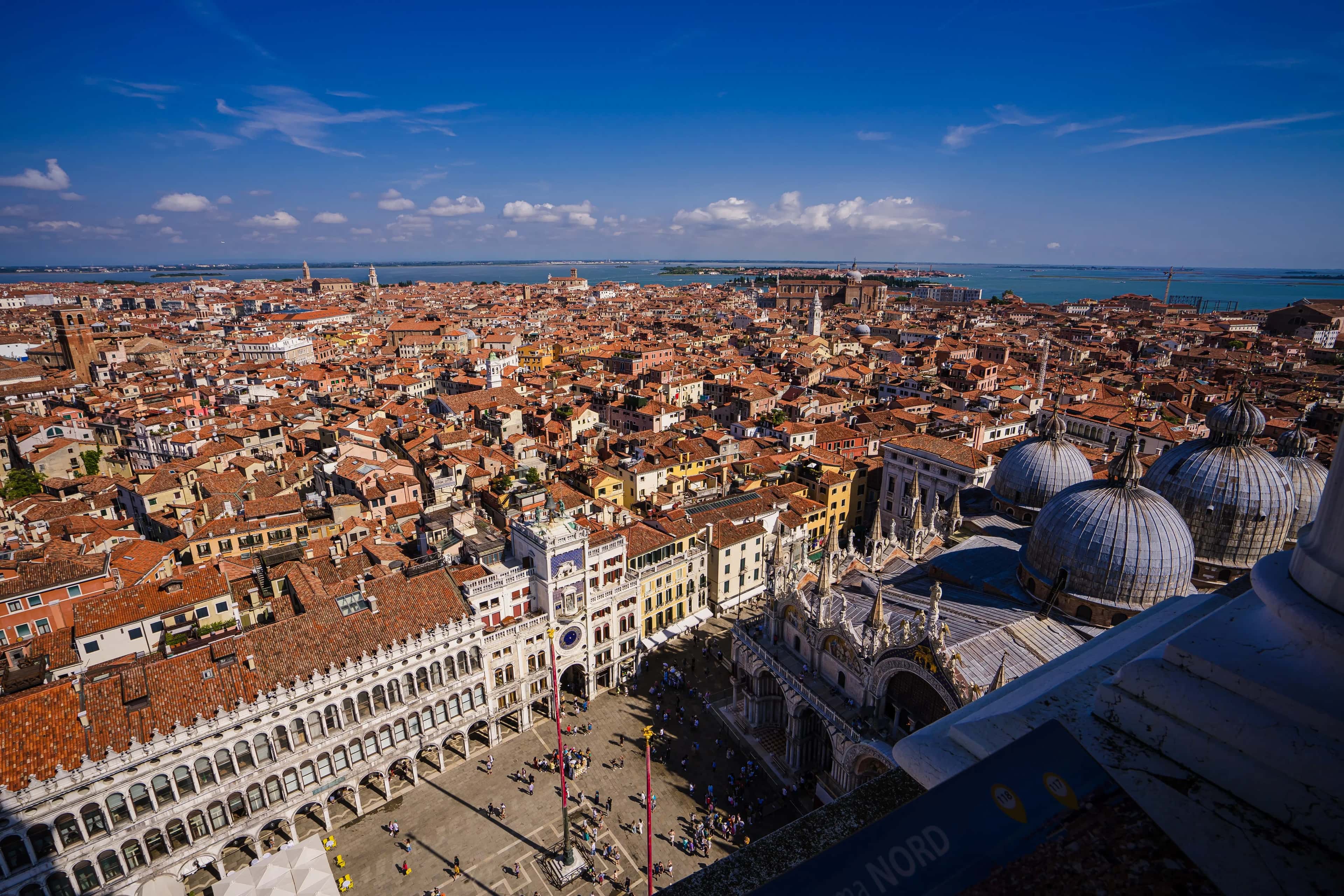
Ascend by lift to the summit of Venice's tallest building at 98.6 metres for breathtaking 360-degree views across the city, the lagoon, the islands, and the Alps
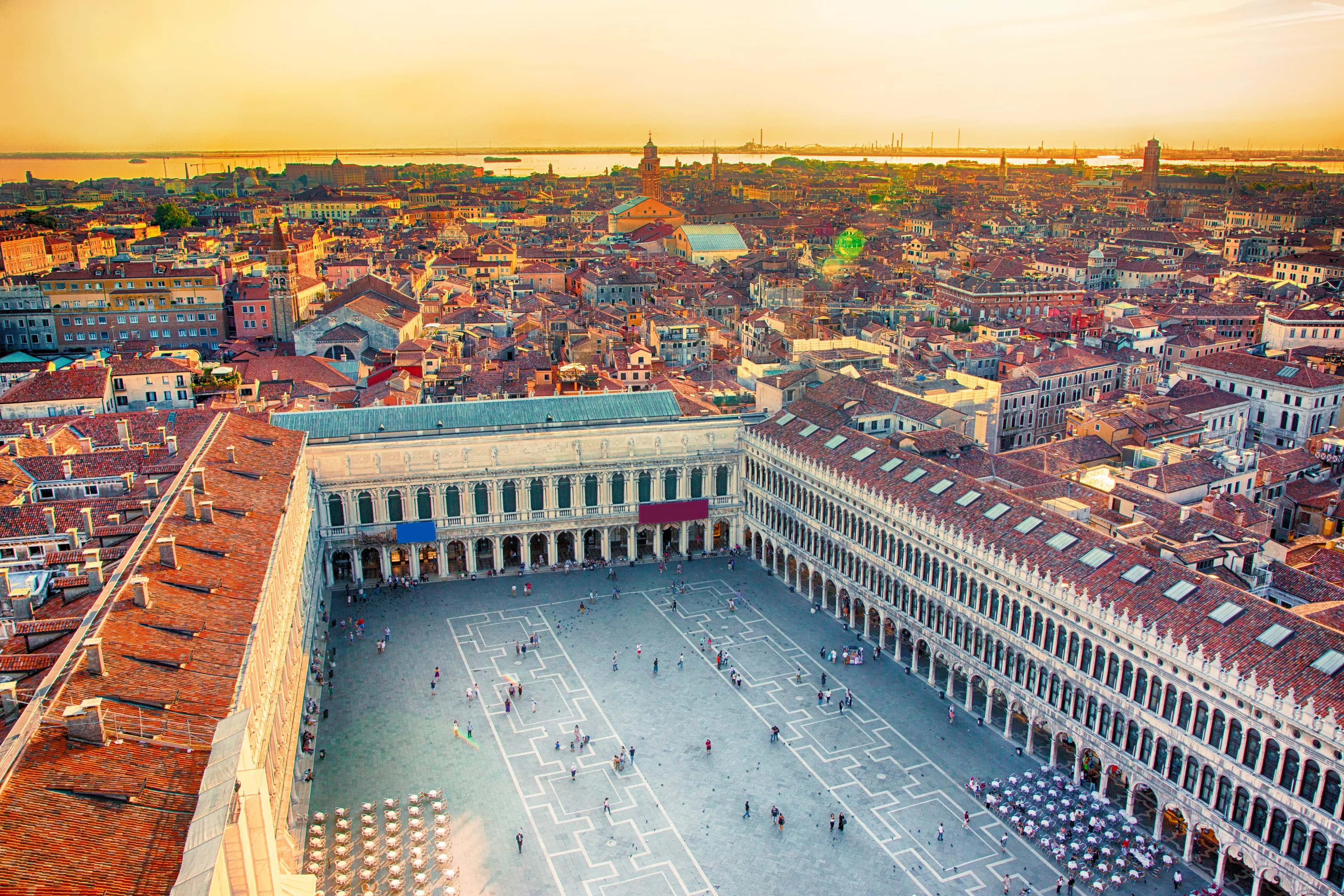
Look directly down on the perfect geometric pattern of Piazza San Marco from above and watch the gondolas and vaporetti moving through the canals below
See the Grand Canal, the islands of Giudecca and San Giorgio Maggiore, and the vast expanse of the Venetian lagoon stretching to the horizon from the finest aerial viewpoint in the city

Italy Venice Saint Mark's Campanile Entry Tickets Packages

logo

Available Packages

Select your ticket option

Starting Price

$28.00

Italy Venice Saint Mark's Campanile Entry Tickets Overview

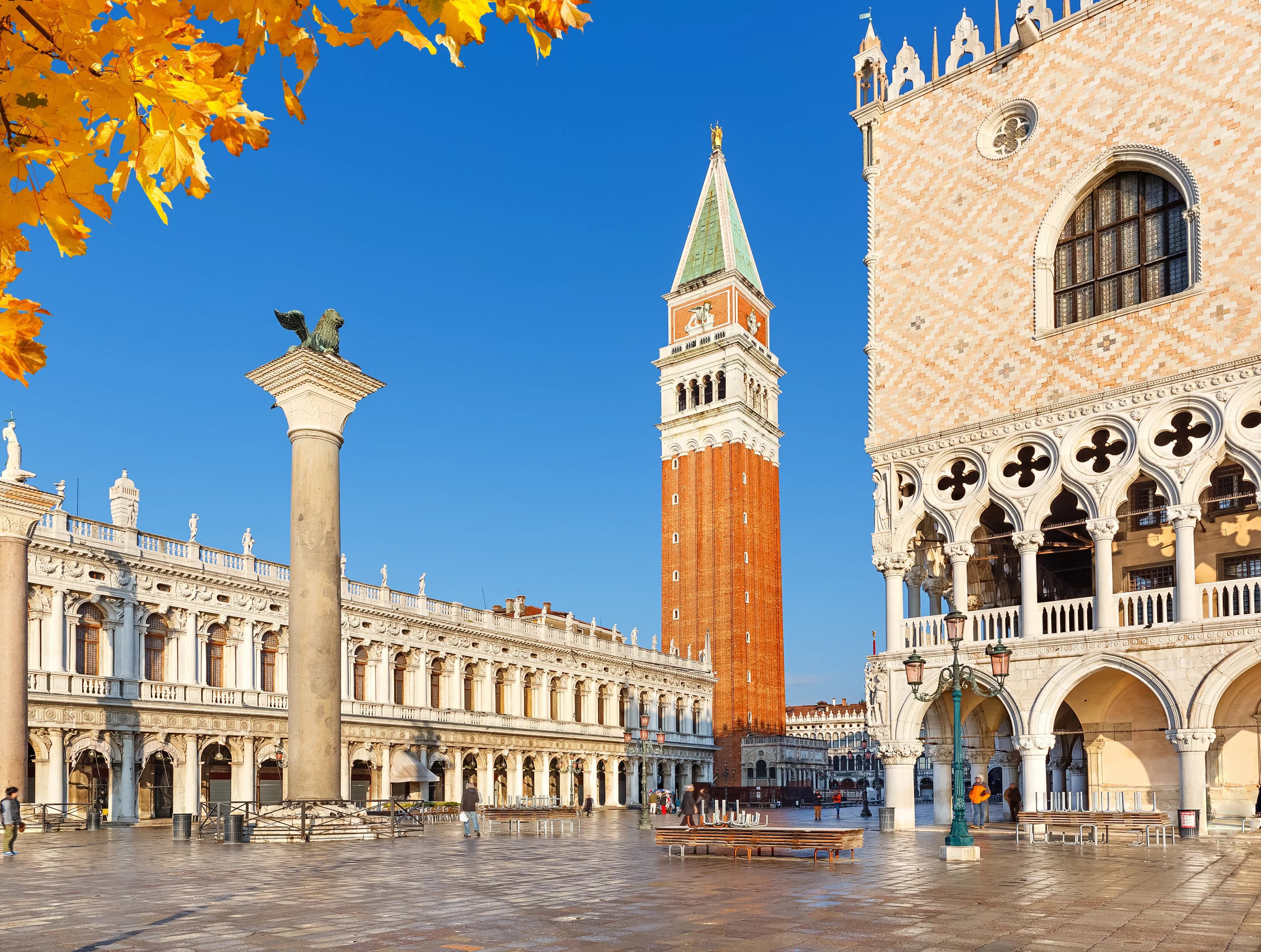
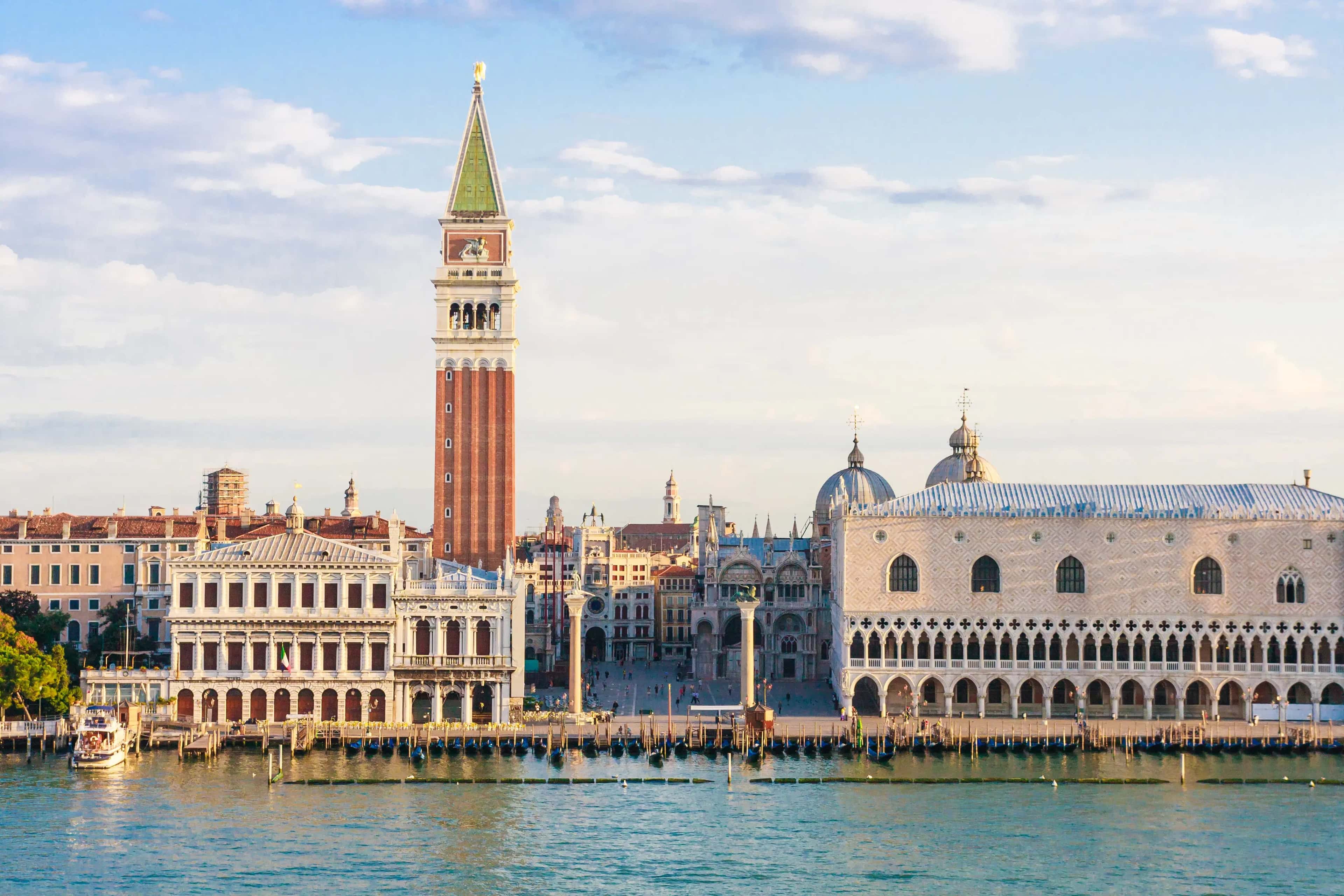
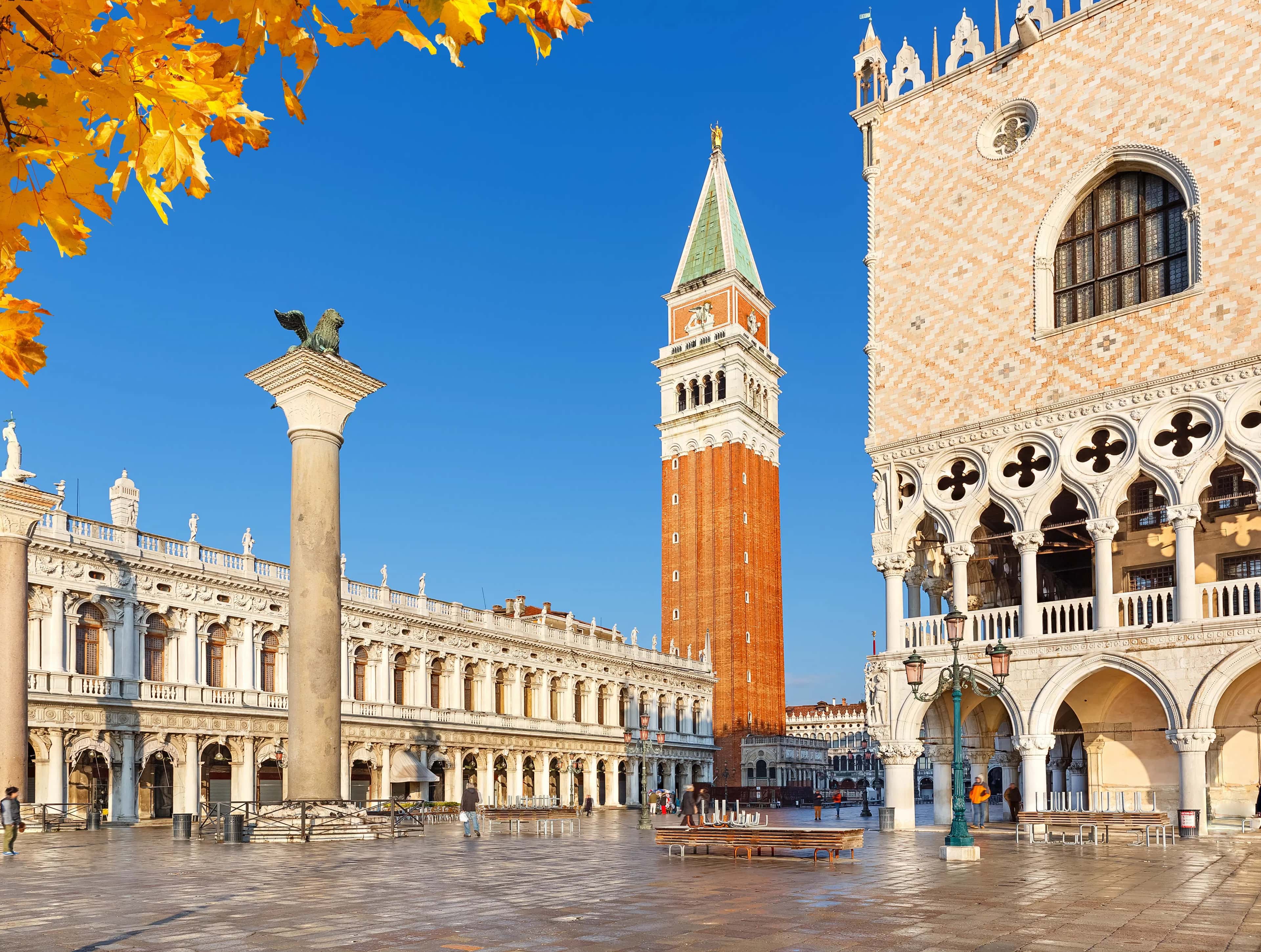
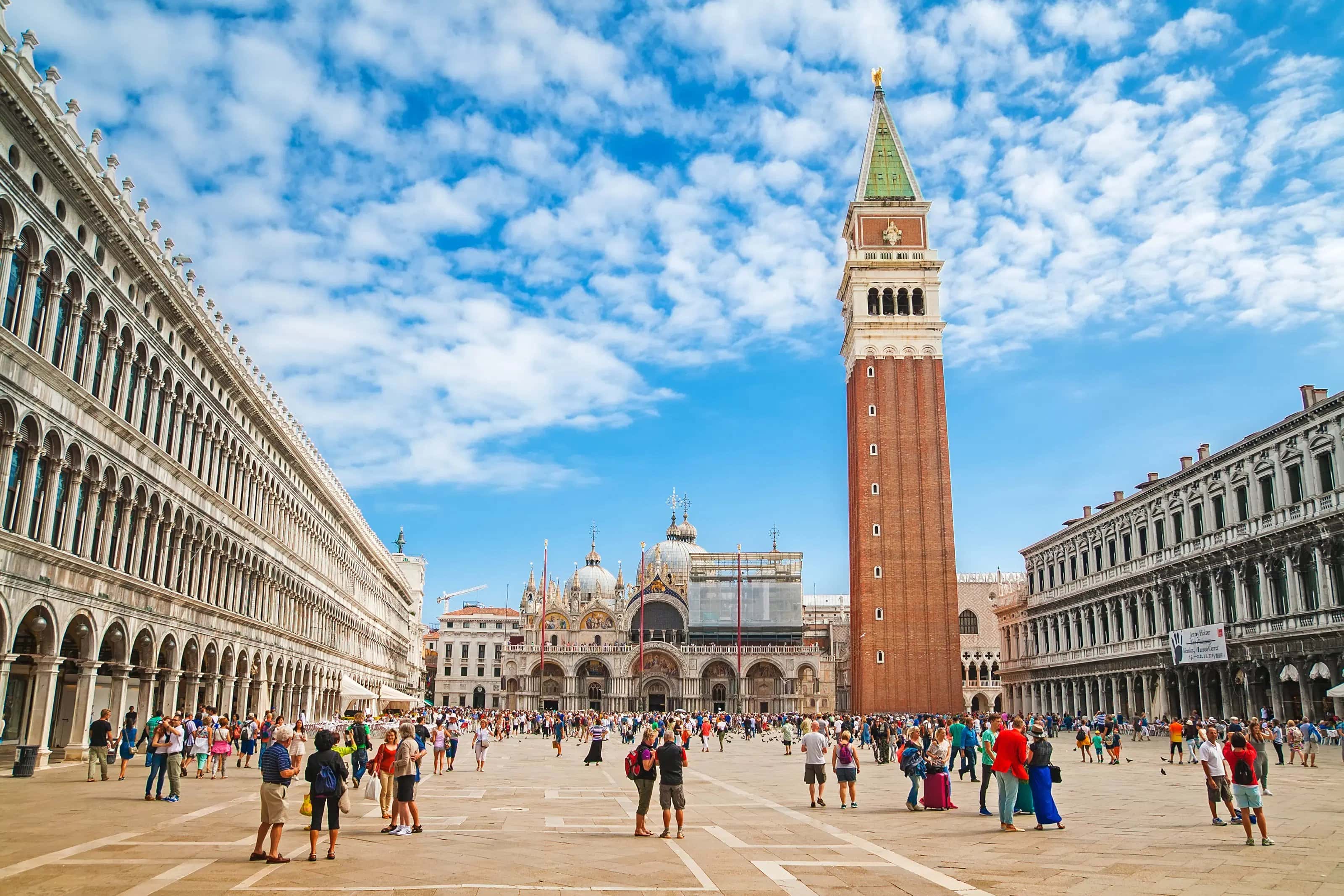
Standing at 98.6 metres in the south-western corner of Piazza San Marco, the Campanile di San Marco is the tallest building in Venice and the city's most instantly recognisable vertical landmark. Its origins trace back to the 9th century when a watchtower was first constructed on the site, though the bell tower underwent numerous redesigns and extensions over the following centuries until it assumed its current elegant form in the early 16th century. In 1609 Galileo Galilei chose the Campanile as the site for the first public demonstration of his newly invented telescope, using its commanding height to show the Venetian Senate how the instrument could be used to spot ships at sea before they arrived in port.

The current tower is not the original structure. On 14 July 1902 the entire Campanile suddenly and dramatically collapsed, sinking into a pile of rubble in Piazza San Marco in a matter of seconds. Remarkably, no one was killed as the collapse happened gradually enough for everyone to evacuate. The city of Venice resolved immediately to rebuild the tower exactly as it was in the same place, and the reconstruction was completed in 1912 with the dedication dove'era e com'era (where it was and as it was). The rebuilt Campanile contains a lift that carries visitors directly to the belfry at the summit, making it one of the most accessible high viewpoints in Europe.

From the summit, the panoramic view is spectacular. The perfect geometric pattern of Piazza San Marco far below, the Grand Canal winding through the city, the islands of Giudecca, San Giorgio Maggiore, and the Lido, the vast shimmering expanse of the Venetian lagoon, and on a clear day the distant outline of the Dolomites and the Alps combine to create a view of extraordinary beauty. Book your Saint Mark's Campanile tickets now.

Know Before You Go Italy Venice Saint Mark's Campanile Entry Tickets

Book your Saint Mark's Campanile tickets online in advance especially during summer peak season as popular time slots sell out and online booking guarantees priority access at the lift

Note that the tower is not accessible to visitors with mobility impairments despite having a lift as the lift entrance is narrow and certain areas involve steps

Bags and luggage larger than 40 by 30 by 20 centimetres must be deposited at the left luggage facility at Ateneo San Basso near the Basilica before entering the tower

The best time to ascend is either early morning when the light is fresh and the piazza below is quietest, or late afternoon and early evening in summer when golden light illuminates the lagoon and the tower stays open until 21:15

Note that the tower may close without notice due to adverse weather conditions including high winds and storms so always check the official website on the morning of your visit if weather is uncertain

Things To Carry

Smartphone
Non-Slip Shoes
Photo ID
Tickets (Digital or Printed)
Comfortable Clothing
Small Backpack
Comfortable Shoes
Passport

Policies

Confirmation Policy

Booking is confirmed within 15 minutes.
If you don’t see it check your spam folder or contact us.
Alternate nearby slots can be arranged if your preferred time is unavailable.

Payment Policy

100% Payment has to be made at the time of booking.

Cancellation Policy

Free reschedule available until 72 hours before your travel date.
Free cancellation available until 72 hours before your travel date.

FAQs

1Where must I leave large bags before visiting the Campanile?

Bags and luggage larger than 40 by 30 by 20 centimetres are not permitted inside the Campanile and must be deposited at the left luggage facility at Ateneo San Basso, located in the Piazzetta dei Leoncini on the north side of Saint Mark's Basilica, a very short walk from the Campanile entrance. The luggage storage service operates during Basilica opening hours and charges a small fee per item.

2Is there a lift to the top of the Campanile?

Yes. A lift carries visitors directly from ground level to the belfry and viewing area at the summit. The ascent takes less than a minute. There are no stairs available for the ascent and all visitors use the lift exclusively. Note however that the tower is not considered fully accessible for visitors with significant mobility impairments as the lift entrance is narrow and certain areas involve steps.

3What can I see from the top of the Campanile?

From the summit at 98.6 metres you can see the full geometric perfection of Piazza San Marco directly below, the Grand Canal winding through the city, the island of Giudecca to the south, the beautiful island church of San Giorgio Maggiore, the Lido stretching along the eastern horizon, the full expanse of the Venetian lagoon, and on a very clear day the peaks of the Dolomites and the Alps to the north and north-west.

4How do I get to Saint Mark's Campanile?

The Campanile is located in the south-western corner of Piazza San Marco in the heart of Venice. The most convenient vaporetto connections are lines 1 and 2 to San Marco Vallaresso stop, a 3-minute walk across the piazza to the tower entrance. From Santa Lucia train station line 1 takes approximately 40 minutes. The Campanile entrance is directly in the piazza between Saint Mark's Basilica and the Correr Museum.

5How tall is Saint Mark's Campanile?

Saint Mark's Campanile stands 98.6 metres tall, making it the tallest building in Venice. The tower consists of a simple brick shaft rising to the belfry chamber which houses five historic bells, each with a different function in Venetian civic life, topped by a pyramidal spire and a golden weather vane in the shape of an angel representing Saint Mark. From the summit the view extends across Venice, the lagoon, and on a clear day to the distant Dolomites and Alps.

6What is the history of Saint Mark's Campanile?

The Campanile's history dates to the 9th century as a watchtower though it was rebuilt and modified repeatedly over the centuries. In 1902 the entire tower suddenly collapsed without warning into a pile of rubble in Piazza San Marco. Remarkably no one was killed. The city immediately resolved to rebuild the tower exactly as it had been and the reconstruction was completed in 1912. It was on the original Campanile in 1609 that Galileo demonstrated his telescope to the Venetian Senate.

7What are the opening hours of Saint Mark's Campanile?

The Campanile is open daily from 09:30 to 21:15 from April to October with last entry at 20:45. From November to March hours are reduced to 09:30 to 17:30 with last entry at 17:00. The tower may close without notice due to adverse weather including high winds and storms and during special events in Piazza San Marco. Always check the official website before visiting.

8Is the Campanile related to Saint Mark's Basilica?

The Campanile di San Marco stands adjacent to Saint Mark's Basilica in Piazza San Marco and is historically associated with the Basilica though it is a separate structure managed by the Procuratoria di San Marco. The Campanile's bells, traditionally named Marangona, Nona, Trottiera, Mezza Terza, and Renghiera, each had specific functions in Venetian civic and religious life including signalling the start and end of the working day and calling workers to the Arsenal shipyard.

$-

Write a Review

Share your experience to help others plan their trip.