
Otagi Nenbutsuji Temple Entry Tickets


Free Cancellation

24*7 Support

Mobile Voucher

History Buff
Otagi Nenbutsuji Temple Entry Tickets Highlights
Otagi Nenbutsuji Temple Entry Tickets Overview
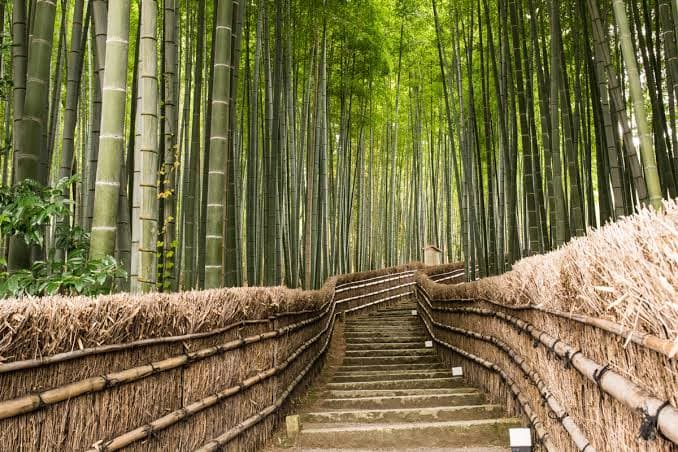
Hidden in the wooded hills above the far western end of Arashiyama, approximately 20 to 25 minutes' walk uphill from the famous bamboo grove, Otagi Nenbutsuji is one of the most unusual and affecting Buddhist temples in Japan. The temple's origins stretch back to 766 when Empress Shotoku founded the original Otagi-ji in the Higashiyama district of eastern Kyoto. Floods from the Kamo River repeatedly damaged the site and the temple was eventually moved to its current location in Arashiyama in 1922 to preserve its main hall. In 1950 a severe typhoon caused further significant damage.
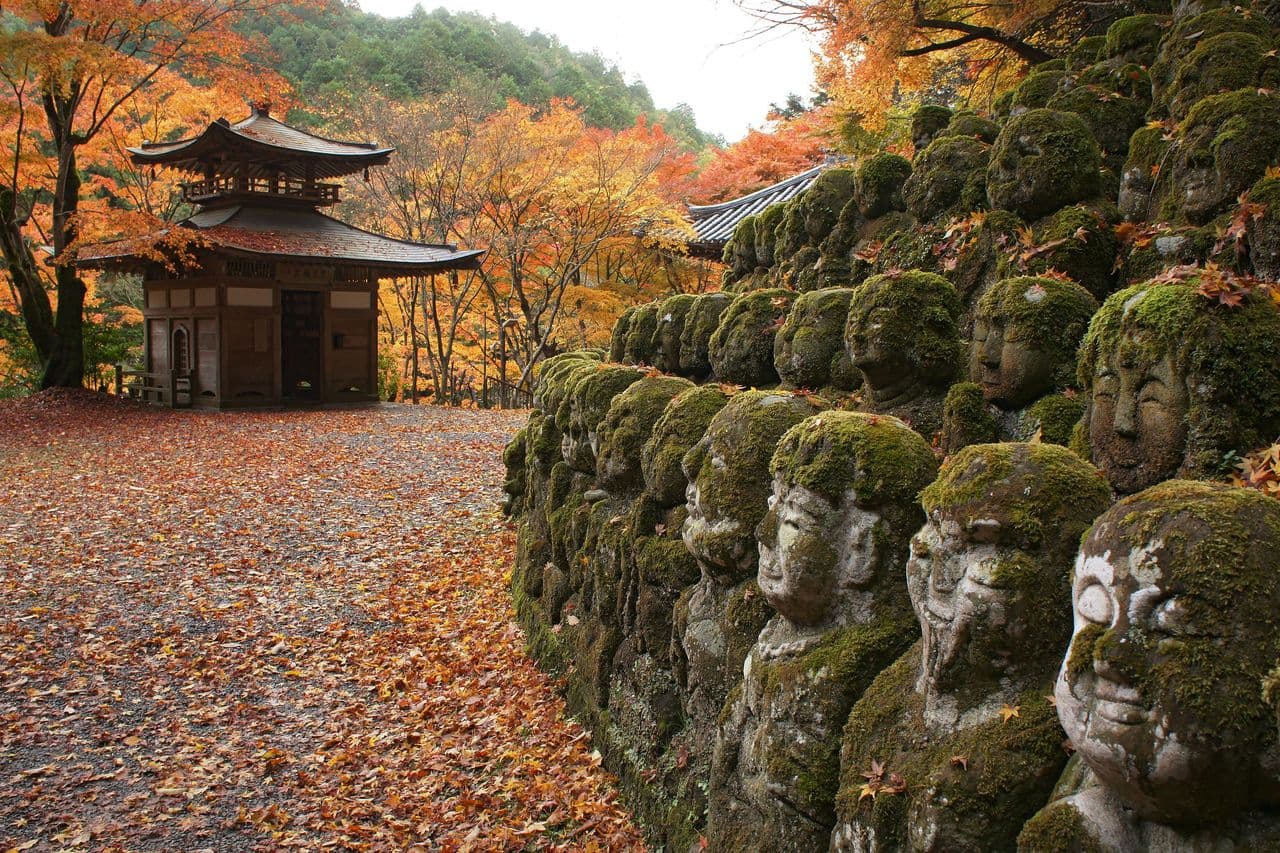
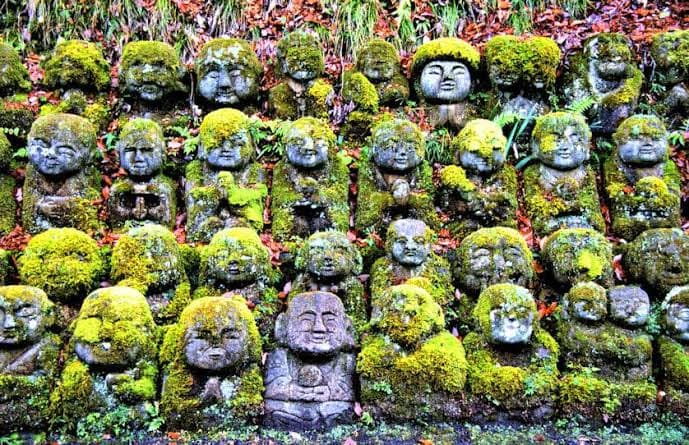
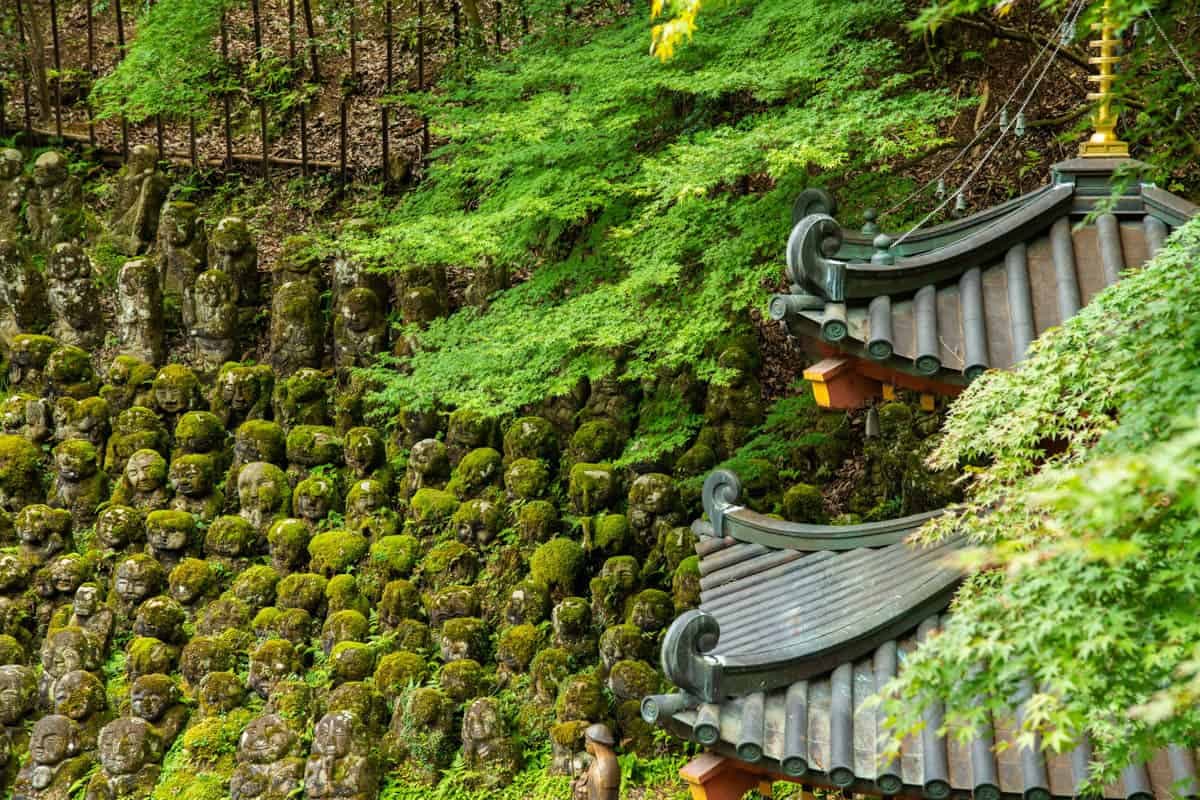
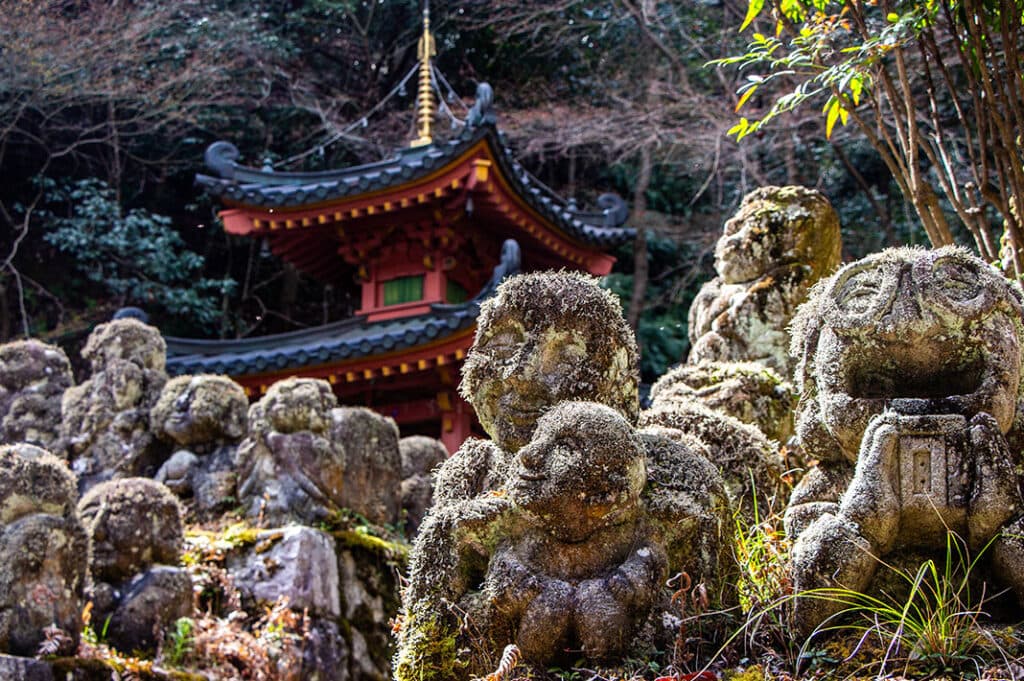
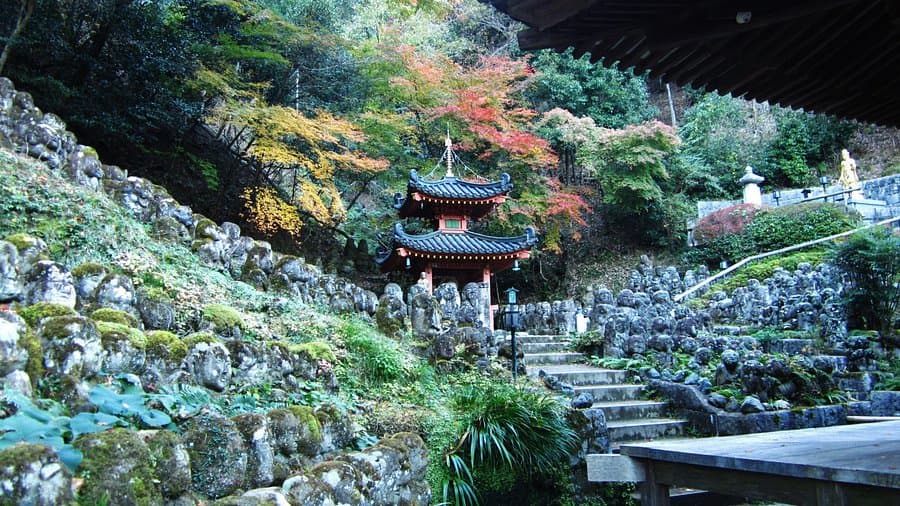
The transformation of the modern Otagi Nenbutsuji began in 1955 when Kocho Nishimura, a Buddhist sculptor and monk, became head priest and embarked on a decades-long project to restore and artistically enrich the temple. Beginning in the 1980s, Nishimura invited amateur carvers from across Japan to come to the temple and carve a rakan statue, one of the disciples of the historical Buddha, guided only by his instruction to let the unique figure hidden within the stone reveal itself. Over approximately a decade, 1,200 people responded to this invitation and the results are the extraordinary collection that visitors see today: 1,200 stone rakan figures spread across the mossy hillside of the temple complex, each one completely different from the others in expression, pose, size, and feeling, ranging from serene and dignified to playful, comical, sorrowful, fierce, and bizarre.
The temple remains an active place of worship under the care of Nishimura's family, who continue his artistic tradition. The combination of the ancient cedar trees, the moss-covered ground, the scattered stone figures, and the quiet of the hillside creates an atmosphere found nowhere else in Kyoto. The temple is at its most atmospheric in autumn when the maple leaves turn and the figures are framed in red and gold, though it rewards a visit in all seasons.
Know Before You Go
Photography of the rakan statues is freely permitted throughout the grounds making this one of Kyoto's most photogenic destinations
The most efficient itinerary is to arrive at Otagi Nenbutsuji first and then walk downhill through the Saga-Torimoto preserved village and along the main Arashiyama street toward the bamboo grove and Togetsukyo Bridge, making the challenging uphill approach a once-only effort
The temple is closed on Wednesdays so never plan your visit on a Wednesday or the statues will remain behind locked gates
Cash only for admission at the entrance gate so bring ¥1,000 in Japanese yen before arriving
The temple is at the far western end of Arashiyama and is not easily walkable from the main Arashiyama area, taking 20 to 30 minutes uphill on foot, so arriving by taxi from Saga-Arashiyama Station (approximately ¥1,500 for 5 minutes) or by bus on routes 62, 72, 92, or 94 to the Otagi-dera Mae stop is strongly recommended, particularly for visitors with limited time or mobility
Things To Carry
Policies
Confirmation Policy
Payment Policy
Cancellation Policy
FAQs
The 1,200 rakan statues were carved primarily by amateur sculptors from across Japan who came to the temple in the 1980s at the invitation of head priest and sculptor Kocho Nishimura. Nishimura guided each carver to find the unique figure hiding within their stone rather than imposing a prescribed form. The result is 1,200 entirely different figures ranging from serene and dignified to comical, playful, and bizarre. Nishimura's son and grandson continue to run the temple and create their own sculpture.
Yes, photography of the rakan statues and throughout the temple grounds is freely permitted, making Otagi Nenbutsuji one of the most photogenic destinations in Kyoto. The combination of the 1,200 unique stone figures, the mossy hillside, ancient cedar trees, and the small temple buildings creates an extraordinary variety of photographic subjects. Visit in the morning or late afternoon for the softest light through the tree canopy.
Otagi Nenbutsuji is a Buddhist temple in the remote hills above Arashiyama in western Kyoto, famous for its extraordinary collection of 1,200 stone rakan statues, each carved with a completely unique facial expression by amateur sculptors. The temple was founded in 766, moved to its current hillside location in 1922, and transformed artistically in the 1980s when head priest Kocho Nishimura invited people from across Japan to carve a figure from stone.
The easiest way to reach Otagi Nenbutsuji is by taxi from Saga-Arashiyama Station on the JR Sagano Line, approximately 5 minutes and ¥1,500. Alternatively, buses 62, 72, 92, or 94 bound for Kiyotaki-Arashiyama stop at Otagi-dera Mae, a 2-minute walk from the temple. It is also possible to walk uphill from the main Arashiyama area taking approximately 20 to 30 minutes. The recommended approach is to arrive by taxi or bus and walk downhill to the main Arashiyama area afterward.
Yes, Otagi Nenbutsuji is an excellent family experience. Children find the rakan statues endlessly fascinating, with their varied and often comical expressions prompting identification and storytelling. Children under 10 enter free. The temple grounds are on a gentle hillside with mostly manageable paths. The uphill approach to the temple from Arashiyama is the main challenge for families with pushchairs or very young children, making the taxi approach from Saga-Arashiyama Station the most practical option.
The temple is beautiful throughout the year but most spectacular in autumn, typically from mid-November to early December, when the maple trees surrounding the hillside turn crimson and gold and frame the moss-covered rakan figures in a particularly atmospheric setting. In spring and summer the temple is quieter and the green foliage and moss create a peaceful woodland atmosphere. The temple is one of the least crowded in the Arashiyama area year-round.
Otagi Nenbutsuji is closed every Wednesday throughout the year, unless that Wednesday falls on New Year's Day or another public holiday. Always check before planning your visit to Arashiyama that your chosen day is not a Wednesday.
Allow 30 to 60 minutes for a thorough and unhurried visit to Otagi Nenbutsuji, spending time among the 1,200 statues and exploring the small temple buildings. Most visitors find they spend longer than anticipated because each individual rakan rewards close inspection and the atmosphere of the hillside encourages leisurely exploration. The temple combines naturally with a half-day in the wider Arashiyama area including the bamboo grove, Togetsukyo Bridge, and Tenryu-ji Garden.
Write a Review
Share your experience to help others plan their trip.