
Japan Kyoto Sanjusangendo Temple Entry Tickets


Free Cancellation

Mobile Voucher

Bucketlist

History Buff
Sanjusangendo Temple Entry Tickets Highlights
Sanjusangendo Temple Entry Tickets Overview
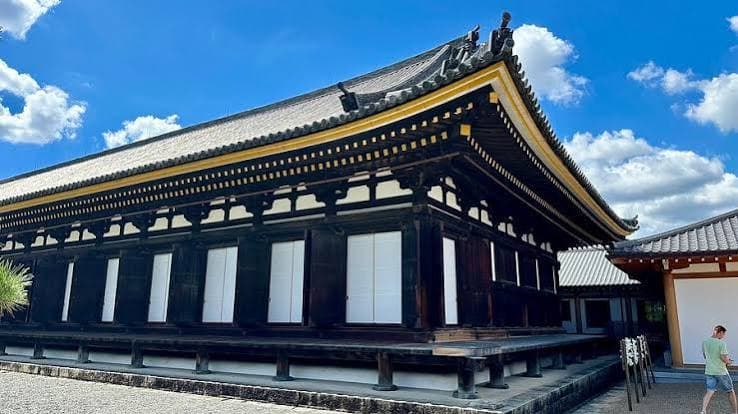
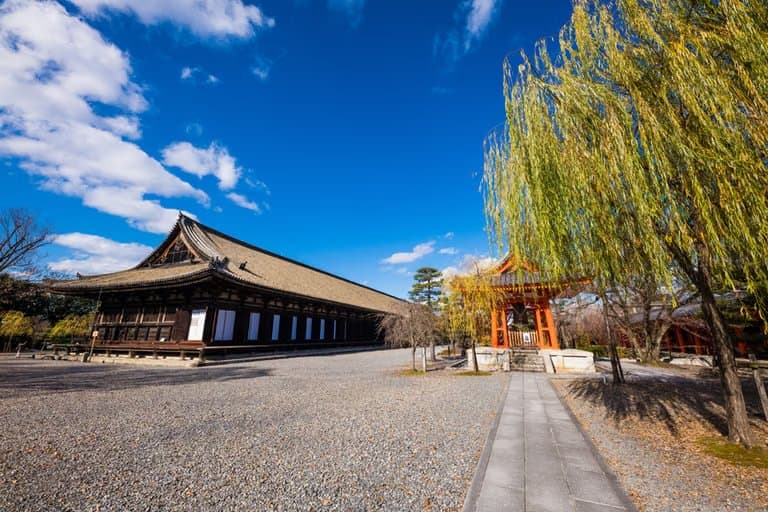
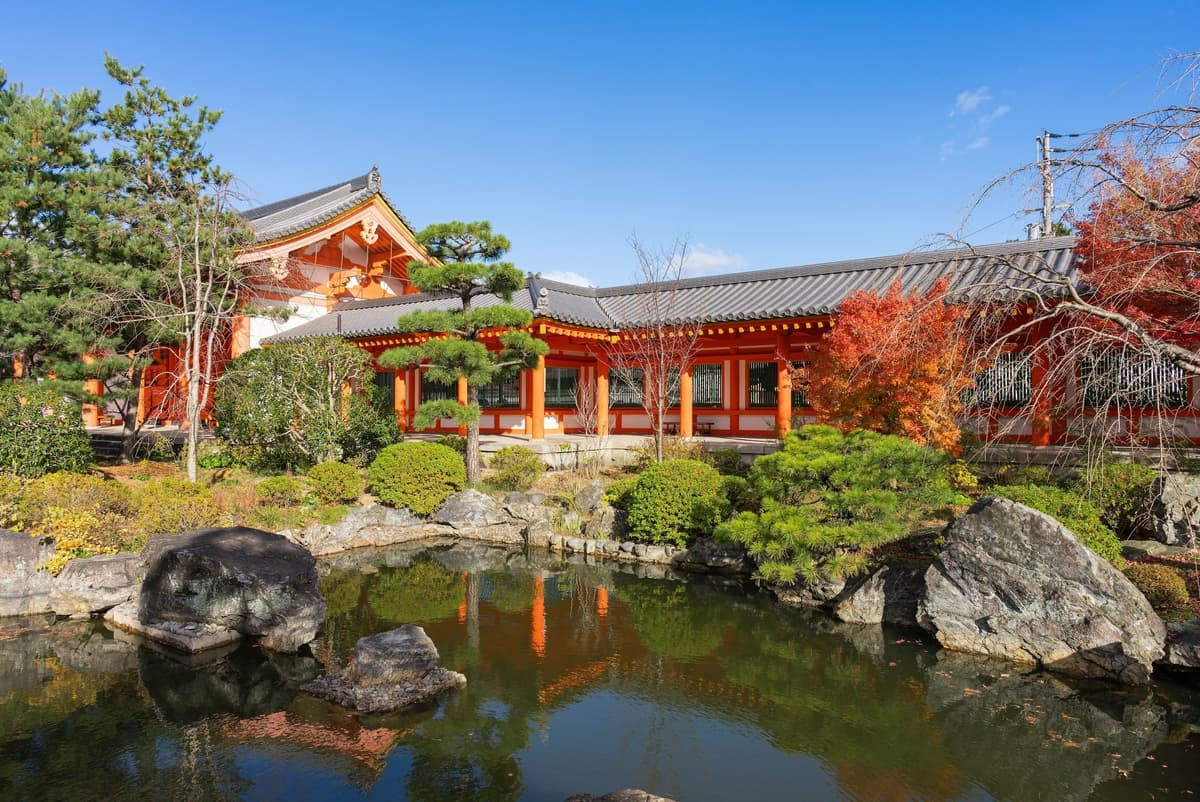
Officially named Rengeo-in, Sanjusangendo is a Buddhist temple of the Tendai sect in the Higashiyama district of eastern Kyoto. Its popular name means Hall with 33 Intervals Between Columns and the hall itself at 120 metres is the longest wooden structure in Japan. Founded in 1164 on the order of Emperor Go-Shirakawa by the powerful military commander Taira no Kiyomori, the original structure was destroyed by fire and the current building completed in 1266, constructed with layers of clay and sand beneath its foundations as protection against earthquakes, an engineering decision made over 750 years ago that remains effective today. The interior houses 1,001 Kannon statues flanked by 28 National Treasure guardian figures. Photography is strictly prohibited inside the main hall.
Know Before You Go
Arriving at opening time is the most effective strategy for experiencing the hall with fewer visitors
Admission is typically cash only so bring Japanese yen before arriving as card payment is not reliably available
No advance booking is required as tickets are sold at the entrance gate on the day and the temple is open every day year-round
Photography is strictly prohibited inside the main hall containing the 1001 Kannon statues, making this a genuinely personal and contemplative experience impossible to reduce to a photograph
Allow 45 to 90 minutes for the visit including the main hall and surrounding gardens
Things To Carry
Policies
Confirmation Policy
Payment Policy
Cancellation Policy
FAQs
No. Photography is strictly prohibited inside the main hall throughout the visit. This rule is enforced by staff. Photography is permitted in the surrounding garden and on the building exterior. The prohibition is one of the reasons the interior experience is so powerful, as it must be absorbed directly without the mediation of a camera, creating a genuinely personal encounter with the statues.
Sanjusangendo is at 657 Sanjusangendo-mawari, Higashiyama Ward, Kyoto. Take Kyoto City Bus 100, 206, or 208 from Kyoto Station, approximately 10 minutes, to the Hakubutsukan Sanjusangendo-mae bus stop directly in front of the temple. Shichijo Station on the Keihan Line is approximately a 7-minute walk. Kyoto Station is approximately a 20-minute walk on foot.
The Toshiya is an annual archery competition dating to the Momoyama period in which archers shoot along the full 120-metre length of the main hall, reflecting the temple's historic connection with samurai culture. The modern Daikicho Grand Archery Tournament takes place on a Sunday in mid-January and is one of the most spectacular traditional archery events in Japan.
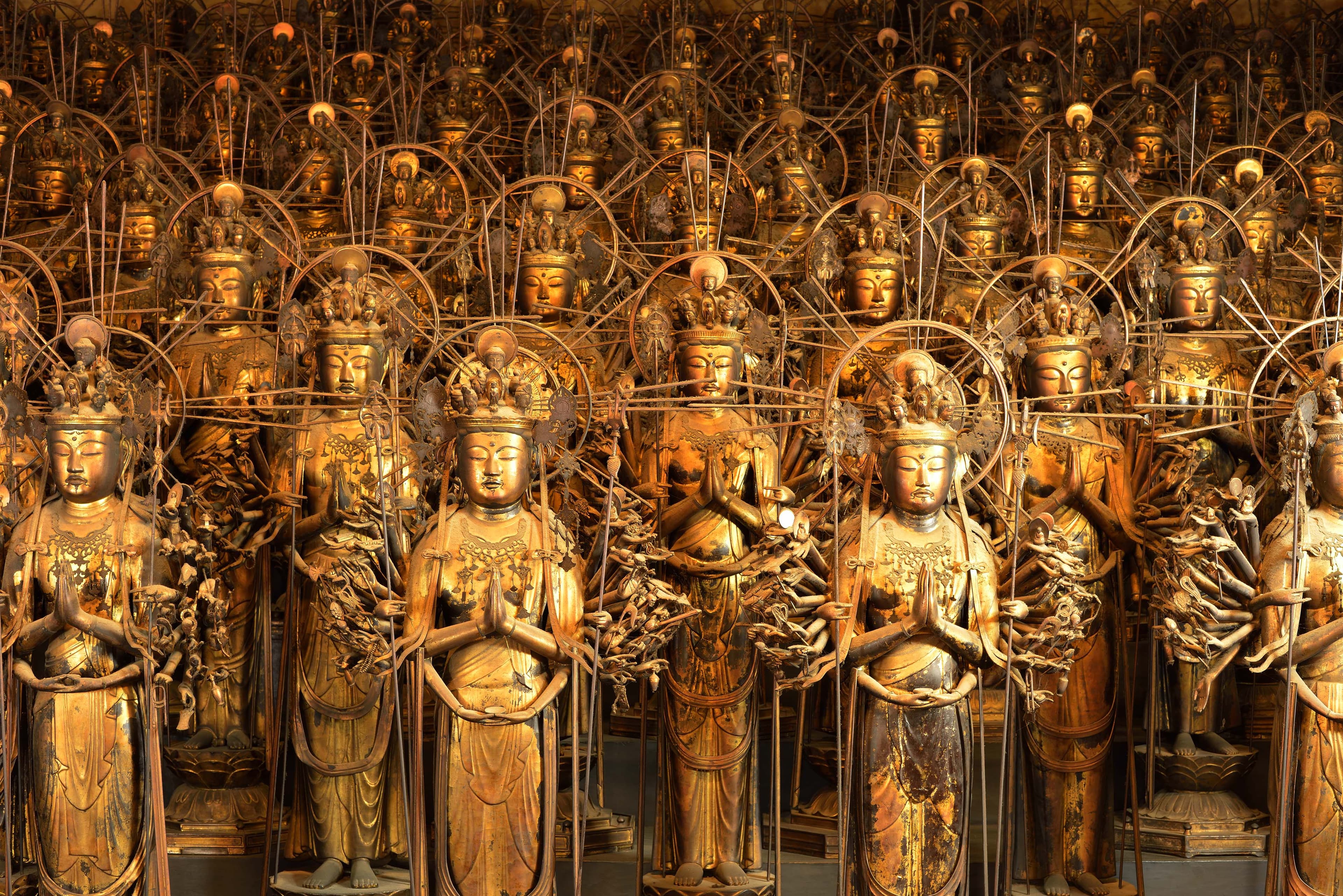
The main hall houses 1,001 statues of Kannon, the Buddhist goddess of mercy. A large enthroned Kannon statue stands at the centre, flanked on each side by 500 human-sized standing Kannon arranged in ten tiered rows across the full 120-metre hall. In front of these Kannon ranks stand 28 additional guardian deity statues, each designated as a National Treasure or Important Cultural Property.
Yes. The visual impact of the 1,001 golden Kannon statues tends to captivate children of all ages, with the endless rows creating a genuinely extraordinary impression. The hall is flat and easy to walk with young children. The visit is compact at 45 to 60 minutes for the main hall. Parents should note that photography is prohibited so managing children's expectations about taking photos is worthwhile preparation.
No. Sanjusangendo does not require advance booking. Tickets are sold at the entrance gate on the day of your visit. The temple is open every day year-round. Admission is typically cash only so ensure you have Japanese yen before arriving.
Sanjusangendo, officially Rengeo-in, is a Buddhist temple in Kyoto's Higashiyama district founded in 1164 and rebuilt in 1266. Its 120-metre main hall, the longest wooden structure in Japan, houses 1,001 life-sized golden Kannon statues alongside 28 National Treasure guardian figures. The hall itself is a National Treasure and one of the finest examples of Kamakura-period Buddhist architecture in existence.
The Kyoto National Museum is immediately adjacent. Kiyomizudera is reachable by bus in approximately 5 minutes or on foot through the Higashiyama district. Chishaku-in Temple is a short walk. The Keihan Line from Shichijo Station connects easily to Gion, Nijo Castle, and other Kyoto landmarks, making Sanjusangendo an ideal starting point for a full day of Higashiyama sightseeing.
Write a Review
Share your experience to help others plan their trip.