
To-ji Temple Entry Tickets


Free Cancellation

24*7 Support

Mobile Voucher

History Buff
To-ji Temple Entry Tickets Highlights
To-ji Temple Entry Tickets Overview
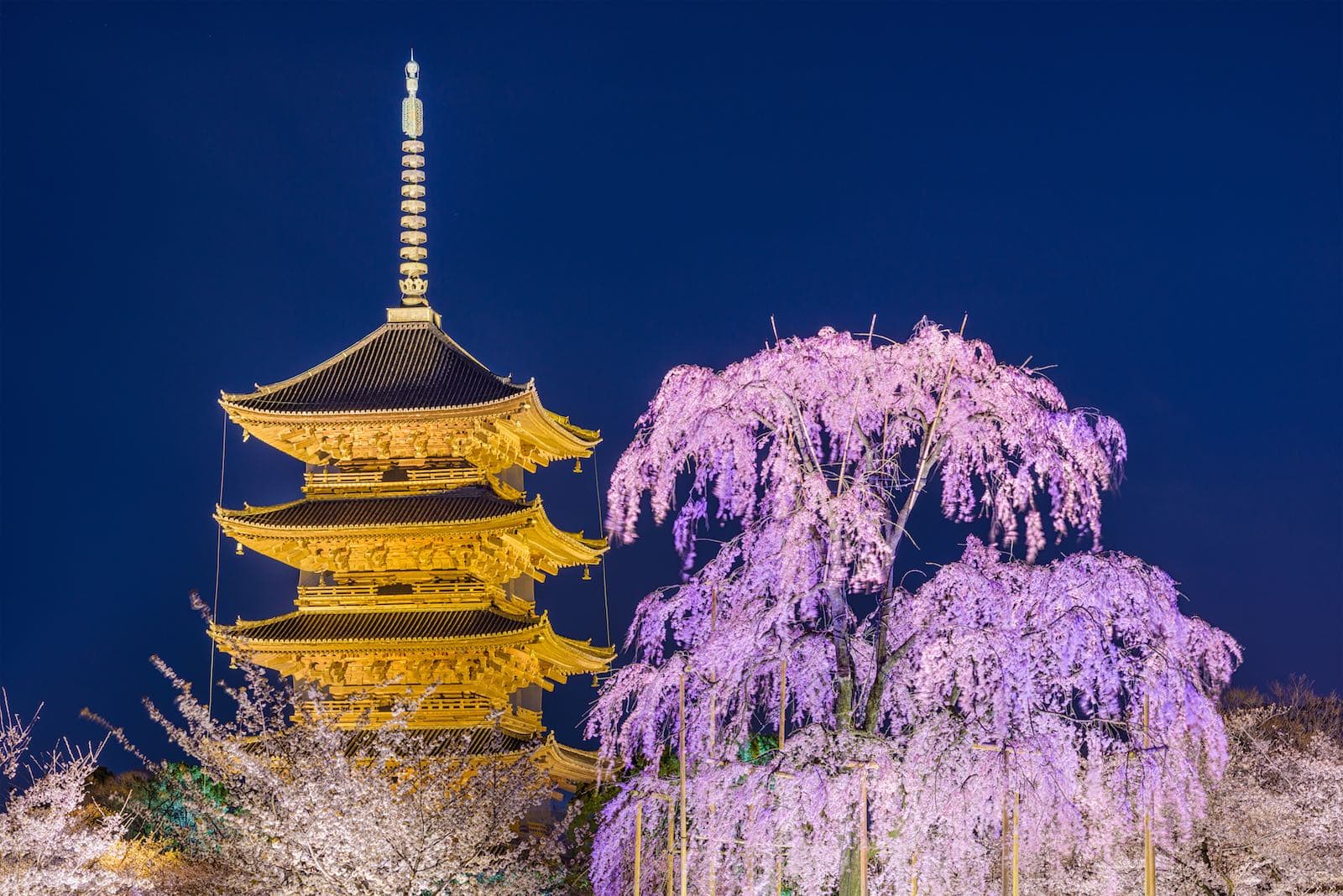
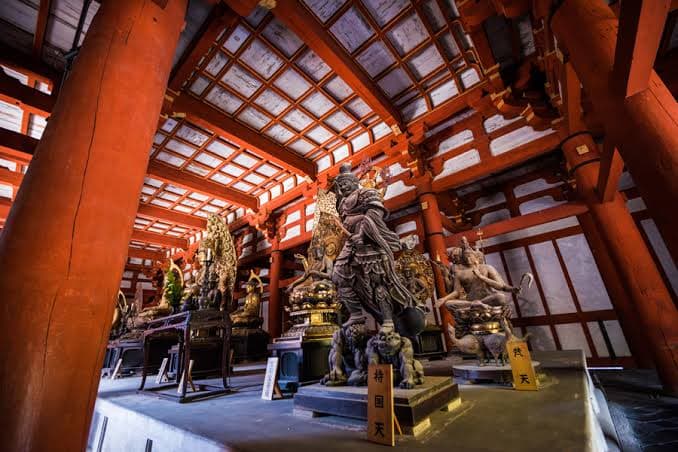
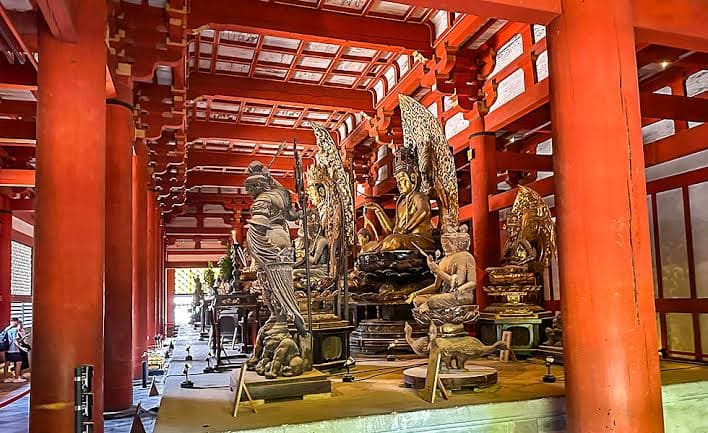
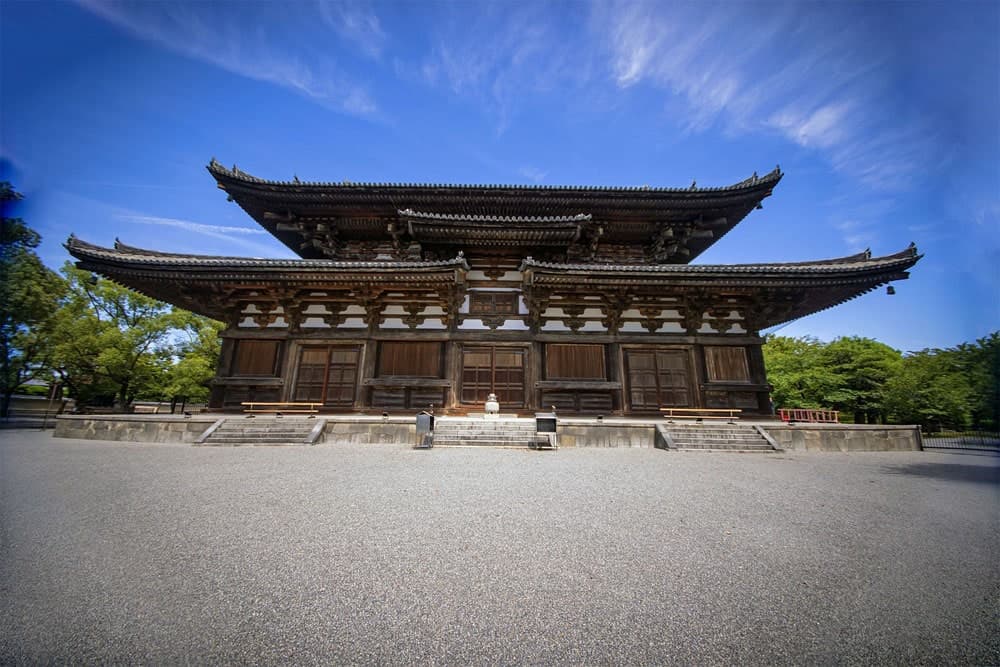
To-ji Temple was established in 796, two years after Emperor Kanmu moved the imperial capital to Heiankyo, the city we know today as Kyoto. In 823 Emperor Saga entrusted the temple to Kukai, the monk who had returned from studying esoteric Buddhism in Tang China and who would become the most celebrated religious figure in Japanese history under his posthumous name Kobo Daishi. Under Kukai's leadership To-ji became the first esoteric Buddhist temple in Japan and the pre-eminent centre of Shingon practice. The Five-Storied Pagoda at 55 metres is the tallest wooden pagoda in Japan, the current structure donated by Tokugawa Iemitsu in 1644. The Kondo and Kodo halls are open year-round with paid admission. The Kodo houses 21 Buddhist statues arranged in a three-dimensional mandala including multiple National Treasures. The monthly Kobo-ichi flea market on the 21st of each month is one of Kyoto's most beloved events.
Know Before You Go
The Kobo-ichi flea market on the 21st of each month significantly enriches the visit with dozens of antique and craft vendors across the grounds
To-ji is approximately a 15-minute walk from the Hachijo exit of Kyoto Station making it ideal as a first or last stop when arriving or departing by Shinkansen
The Five-Storied Pagoda interior is only accessible during special opening periods in spring and autumn so check the official schedule at toji.or.jp if you want interior access
The Houmotsukan Treasure Museum also opens only during designated spring and autumn periods, displaying themed exhibitions of the temple's 20,000 cultural properties
No advance booking is required for standard Kondo and Kodo admission as tickets are sold at the entrance gate, though cash is the recommended payment method
Things To Carry
Policies
Confirmation Policy
Payment Policy
Cancellation Policy
FAQs
Kukai, posthumously Kobo Daishi, is the most celebrated religious figure in Japanese history and founder of the Shingon sect. He studied esoteric Buddhism in Tang China and returned to Japan in 806 introducing new teachings that transformed Japanese Buddhism. In 823 he was entrusted with To-ji's care, making it the operational centre of Shingon Buddhism. The monthly Kobo-ichi market commemorates the anniversary of his death.
To-ji is located at 1 Kujo-cho, Minami Ward, Kyoto, approximately a 15-minute walk from the Hachijo south exit of Kyoto Station making it ideal to combine with Shinkansen arrivals or departures. Kintetsu Toji Station on the Kintetsu Kyoto Line is approximately a 10-minute walk. Bus routes serve the temple at Toji Minamimon-mae, Toji Higashimon-mae, Kujo Omiya, and Toji Nishimon-mae stops.
No. The Houmotsukan Treasure Museum opens only during designated special periods, typically spring from approximately March to May and autumn from approximately September to November. During these openings it displays themed exhibitions of the temple's extraordinary collection including grand esoteric sculptures, mandala paintings, and letters written by Kukai. The Five-Storied Pagoda interior is also only accessible during these same special opening periods.
To-ji Temple, formally Kyoogokoku-ji, is a UNESCO World Heritage Site founded in 796 as a guardian temple of Japan's imperial capital. In 823 it was entrusted to Kukai (Kobo Daishi) and became the first esoteric Buddhist temple in Japan and head temple of the Shingon sect. It houses over 20,000 cultural properties and is celebrated for its Five-Storied Pagoda and the three-dimensional Buddhist mandala in the Kodo Hall.
The Kobo-ichi market is held on the 21st of each month on the temple grounds, commemorating the anniversary of Kukai's death. It is one of Kyoto's largest and most atmospheric traditional markets with dozens of vendors selling antiques, crafts, ceramics, second-hand goods, street food, and plants. Visiting on the 21st significantly enriches the To-ji experience and is a memorable Kyoto highlight in itself.
The Kodo Lecture Hall houses 21 Buddhist statues arranged in a three-dimensional mandala, a layout designed to convey esoteric Buddhist teachings through the physical positioning of figures. The statues were created during the Heian and Edo periods and multiple examples are designated as National Treasures or Important Cultural Properties. The three-dimensional arrangement is considered the most important expression of esoteric Buddhist teaching in Japanese art.
The Five-Storied Pagoda stands 55 metres tall and is the tallest wooden pagoda in Japan. Originally built in the early 9th century and reconstructed multiple times after lightning damage, the current structure dates from 1644 when it was donated by the third Tokugawa shogun, Iemitsu. The silhouette is visible from the Tokaido Shinkansen. Pagoda interior access is only available during special seasonal opening periods in spring and autumn.
Yes, To-ji is a spacious visit for families with open grounds and impressive architecture. The Five-Storied Pagoda makes a powerful visual impression on visitors of all ages. The monthly Kobo-ichi market on the 21st provides a particularly enriching family experience with its lively stall atmosphere. The walk from Kyoto Station is approximately 15 minutes. Admission is straightforward with tickets available at the gate on arrival.
Write a Review
Share your experience to help others plan their trip.