
Tofukuji Temple Entry Tickets


Free Cancellation

24*7 Support

Mobile Voucher

Bucketlist
Tofukuji Temple Entry Tickets Highlights
Tofukuji Temple Entry Tickets Overview
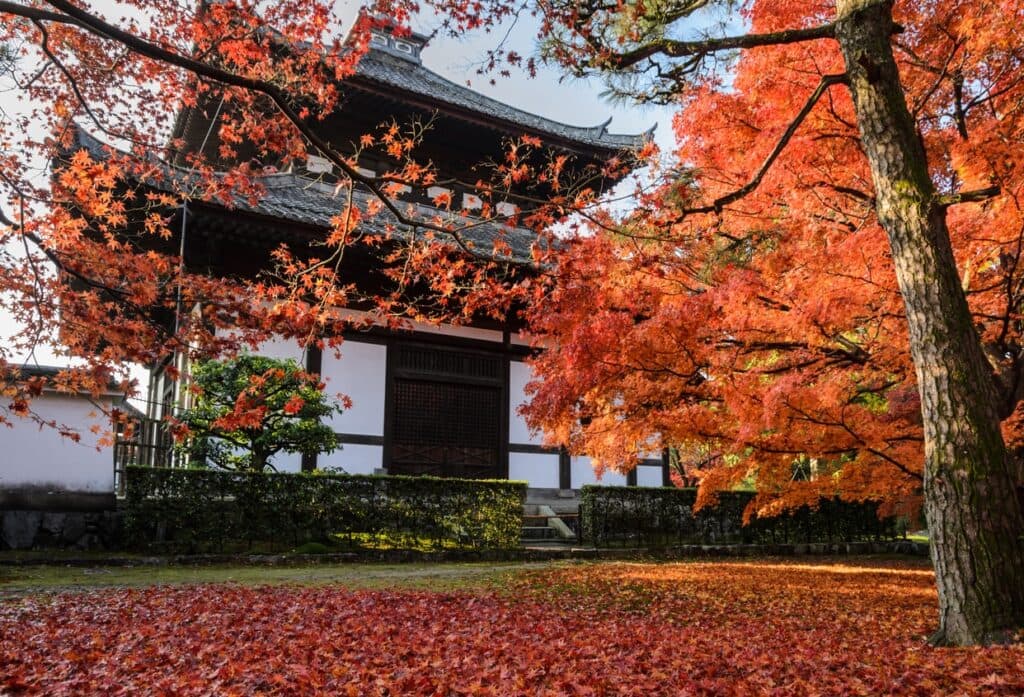
Founded in 1236 by the powerful statesman Kujo Michiie at the behest of Emperor Gosaga, Tofukuji was conceived from its very origins as a temple to rival the great monasteries of Nara. Its name is taken directly from those two predecessors: the To of Todaiji and the Fuku of Kofukuji. The temple quickly established itself as one of the Kyoto Gozan, the five great Zen temples of the imperial capital, and it has maintained that status and the architectural fabric that goes with it more completely than almost any other major temple in the city.
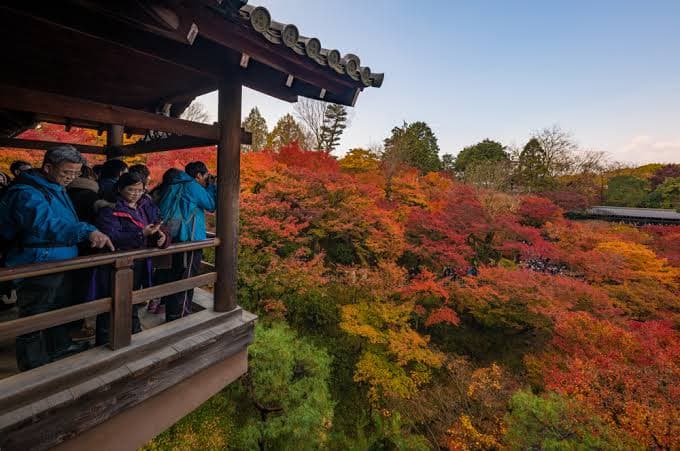
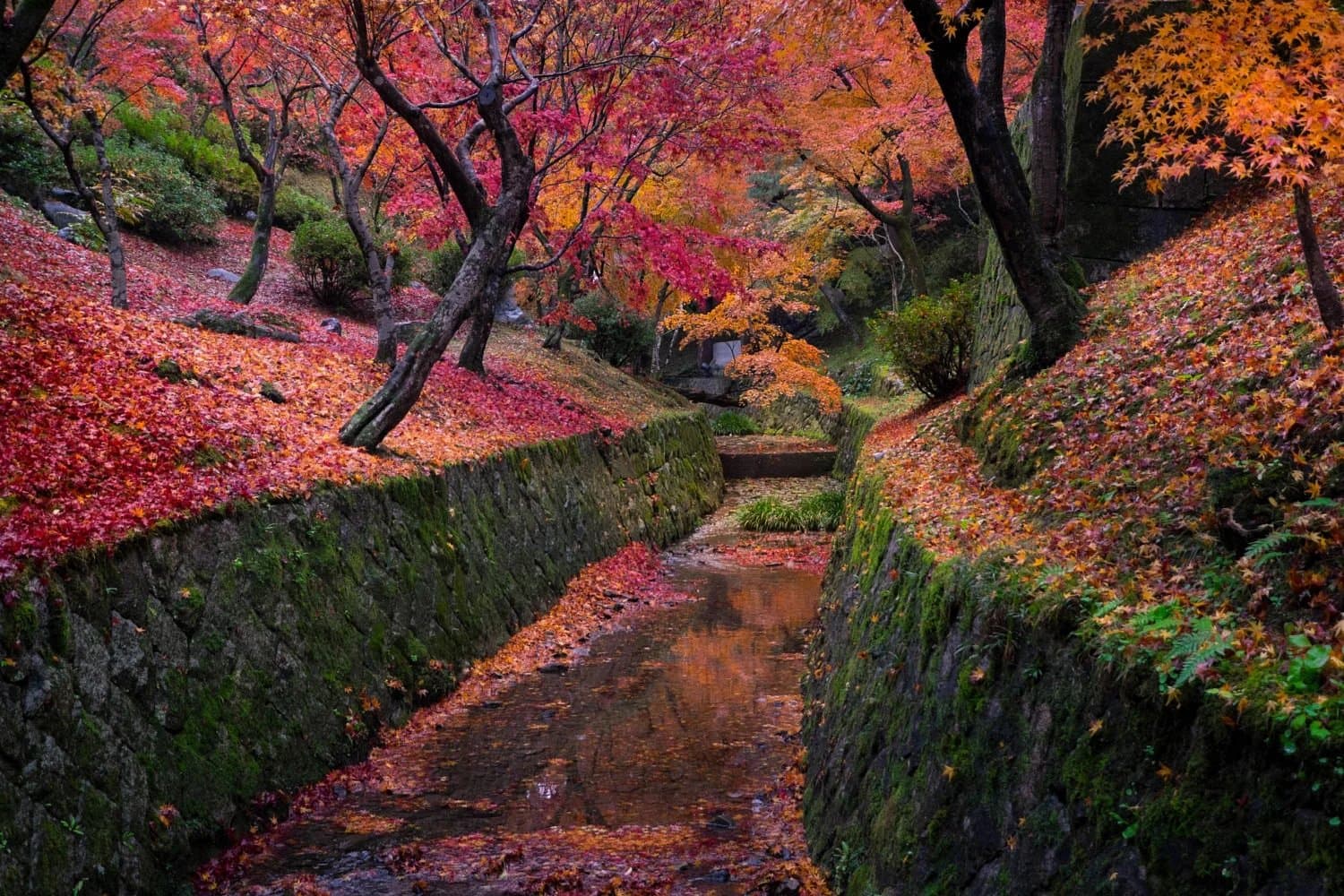
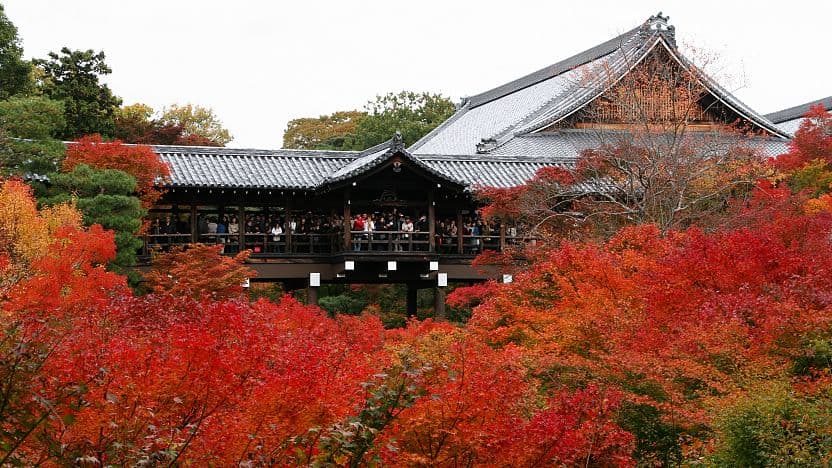
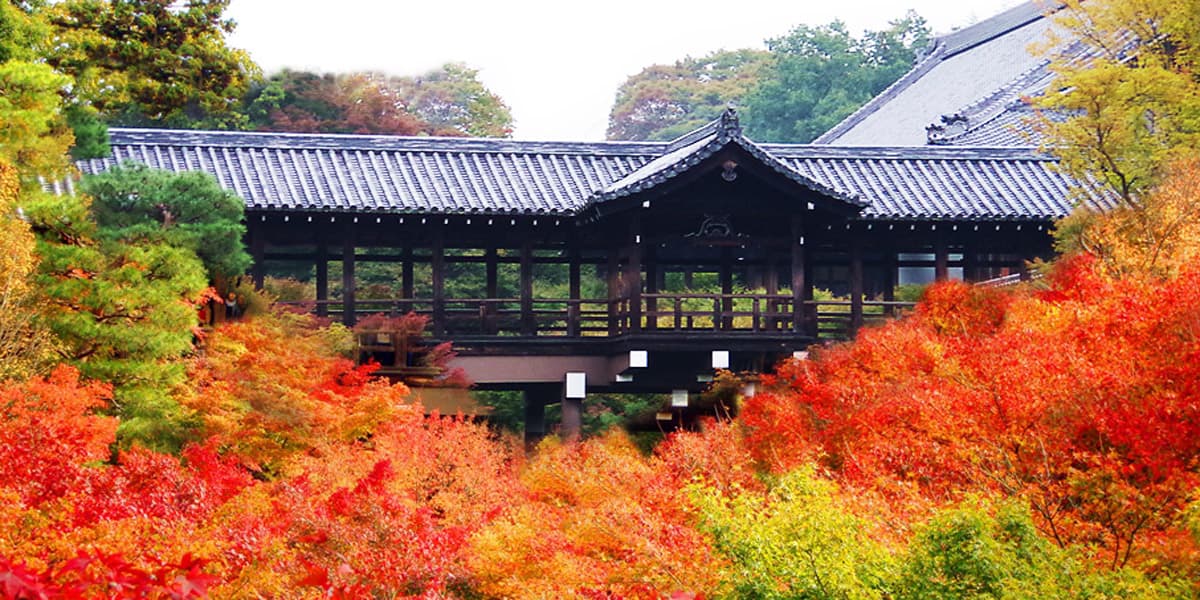
The temple's crowning glory for most visitors is the view from the Tsutenkyo Bridge, a covered wooden walkway spanning a deep ravine planted with over 2,000 maple trees. In November, when the maples blaze crimson and orange in a continuous canopy filling the valley below the bridge, this is considered the finest and most concentrated autumn foliage view in Kyoto, drawing enormous crowds in mid to late November. In all other seasons the same ravine presents a sea of luminous green, and the lack of crowds makes for a far more peaceful and contemplative experience than the autumn rush.
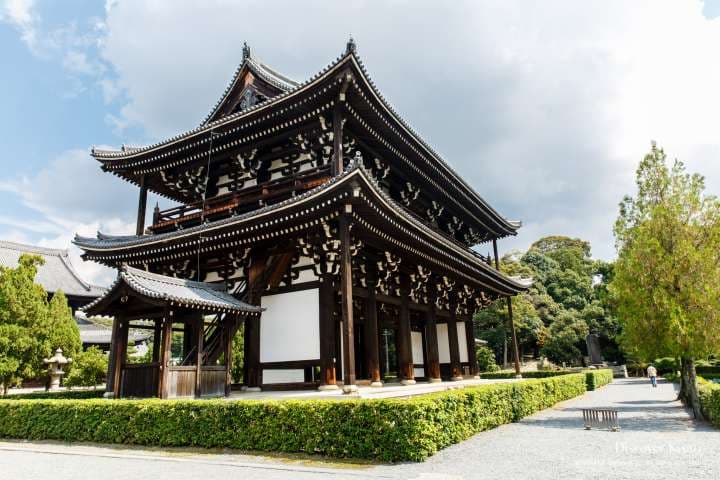
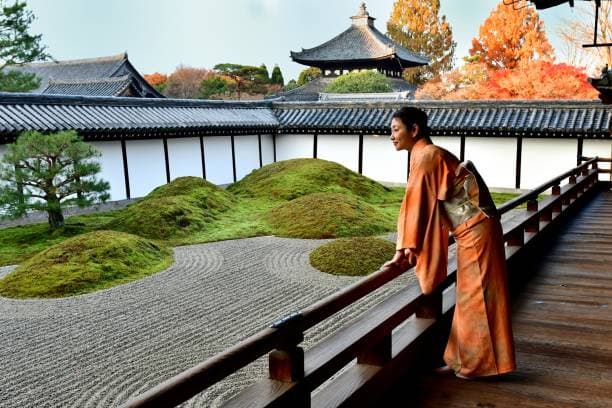
The paid Hojo and gardens are a separate highlight of great importance. Tofukuji's four gardens, designed in 1939 by the legendary landscape architect Mirei Shigemori, are considered one of the masterworks of 20th-century Japanese garden design. They surround the Hojo on all four sides, each with a distinct character that moves from classical Zen austerity in the south to modernist experimentation in the north and east, where cylindrical stones arranged in the pattern of the constellation Ursa Major are set into a chequerboard moss design. The Sanmon gate, rebuilt in 1425, is the oldest and largest Zen temple gate in Japan and is designated a National Treasure.
Know Before You Go
Tickets for the Tsutenkyo Bridge and Kaisando Hall section and for the Hojo and gardens are separate paid admissions with a combination ticket available, though the combination ticket is unavailable during autumn colour season from approximately November 11 to December 3 when separate tickets must be purchased
The temple grounds themselves are free to enter and the Sanmon gate and many major buildings are visible without a paid ticket, making a partial free visit a viable option for those on a tight schedule
Visiting outside of autumn offers a dramatically different and calmer experience, with the ravine a sea of green in spring and summer and shorter queues at the Tsutenkyo Bridge at all times
Tofukuji is one stop from Kyoto Station on the JR Nara Line making it one of the most conveniently located major temples in the city
Arrive early, particularly in November, as the Tsutenkyo Bridge can have queues of 30 to 60 minutes at peak autumn colour time, and the temple opens from 08:30 during this period
Things To Carry
Policies
Confirmation Policy
Payment Policy
Cancellation Policy
FAQs
Zen Night Tofukuji is a special evening event running nightly throughout June 2026 from 19:00 to 21:30 with last entry at 21:00. It features immersive lighting installations throughout the temple grounds and the centrepiece Neuro Music Zazen Sound Meditation in Japan's oldest and largest Zen meditation hall, the Zendo. Neuro music uses specific frequencies to influence brainwave states, enhancing the meditative atmosphere. Advance tickets are cheaper than same-day purchases.
Yes, strongly. Outside November, Tofukuji is one of the most peaceful and rewarding of Kyoto's major temples with virtually none of the crushing crowds that descend in autumn. In spring and summer the ravine and bridges present a lush green landscape of considerable beauty. The Shigemori gardens and Sanmon gate are equally impressive year-round. The Zen Night event in June 2026 makes summer a particularly interesting time to visit.
Entry to the temple grounds is free. The two paid areas are the Tsutenkyo Bridge and Kaisando Hall at ¥600 for adults, and the Hojo and gardens at ¥500 for adults. A combination ticket for both areas is available at ¥1,000 for adults. Note that during the autumn colour season from approximately November 11 to December 3 the combination ticket is unavailable and the Tsutenkyo and Kaisando price increases to ¥1,000 for adults. Tickets are typically cash only.
Tofukuji is one of the five great Zen temples of Kyoto, founded in 1236 and home to the oldest and largest Zen temple gate in Japan, four extraordinary Zen gardens by Mirei Shigemori, and the Tsutenkyo Bridge spanning a ravine of over 2,000 maple trees. It is most famous for its autumn foliage, considered the finest concentrated view of autumn colour in Kyoto, drawing the largest crowds of any Kyoto temple in November.
Yes, Tofukuji is a spacious and pleasant family destination. The temple grounds are large and relatively flat with open space for children to move freely. The Tsutenkyo Bridge and the ravine view create a strong visual impression for all ages. The autumn colour season is the busiest and most spectacular but can be crowded. Outside autumn the temple is quiet and comfortable for families. Children under 12 are generally admitted free to the paid sections.
The Tsutenkyo Bridge is a covered wooden walkway crossing a deep ravine planted with over 2,000 maple trees. In mid to late November it offers the most celebrated autumn colour view in Kyoto, with a continuous canopy of crimson and orange filling the valley. In spring and summer the same ravine is a sea of luminous green and offers an equally beautiful but far quieter experience. The bridge and Kaisando Hall together constitute one of the two main paid areas of the temple.
Tofukuji's four gardens were designed in 1939 by landscape architect Mirei Shigemori and surround the Hojo on all four sides. Each has a distinct character. The south garden is a classical Zen dry landscape. The west garden features a chequerboard pattern of moss and paving. The north garden is one of Shigemori's most celebrated works, with cylindrical standing stones arranged in the pattern of the constellation Ursa Major set into a moss and stone design. They are considered a 20th-century masterpiece of Japanese garden design.
Tofukuji is one of the easiest major temples in Kyoto to reach. From Kyoto Station, take the JR Nara Line one stop to Tofukuji Station, a journey of approximately 2 minutes. The temple is a 10-minute walk from either Tofukuji Station on the JR Nara Line or the adjacent Tofukuji Station on the Keihan Main Line. Kyoto City Bus 208 from Kyoto Station also stops at the Tofukuji bus stop, approximately 15 minutes.
Write a Review
Share your experience to help others plan their trip.