
Shitennoji Temple Entry Tickets


Free Cancellation

24*7 Support

Mobile Voucher

History Buff
Shitennoji Temple Entry Tickets Highlights
Shitennoji Temple Entry Tickets Overview
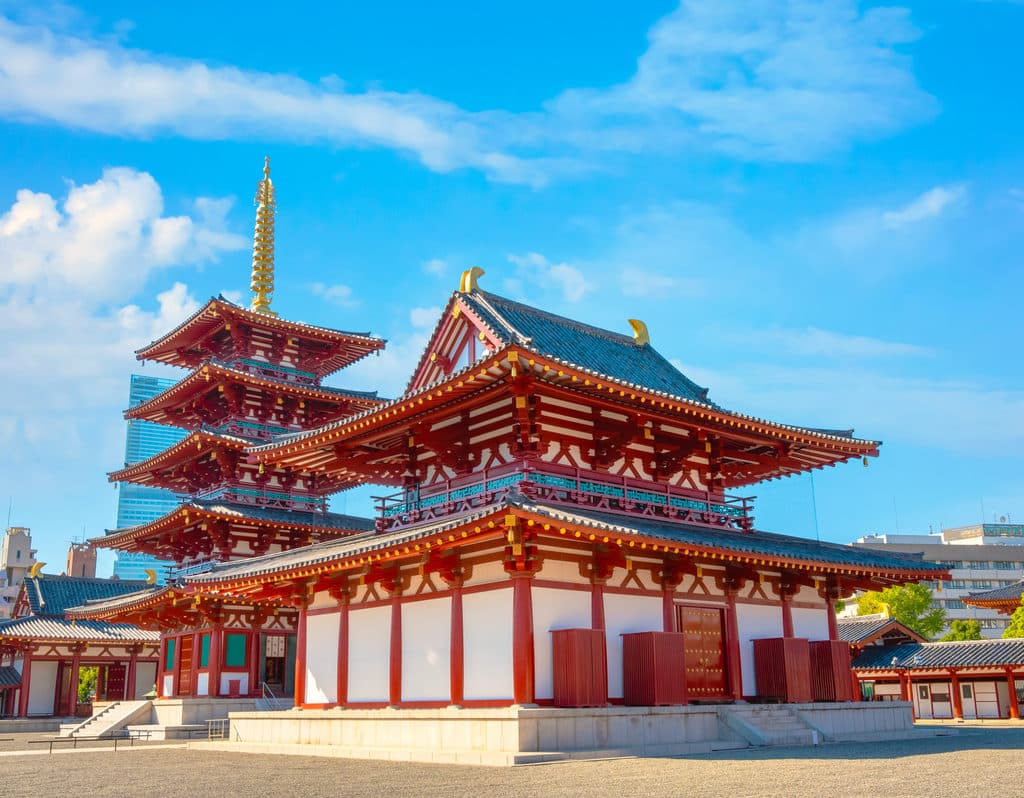
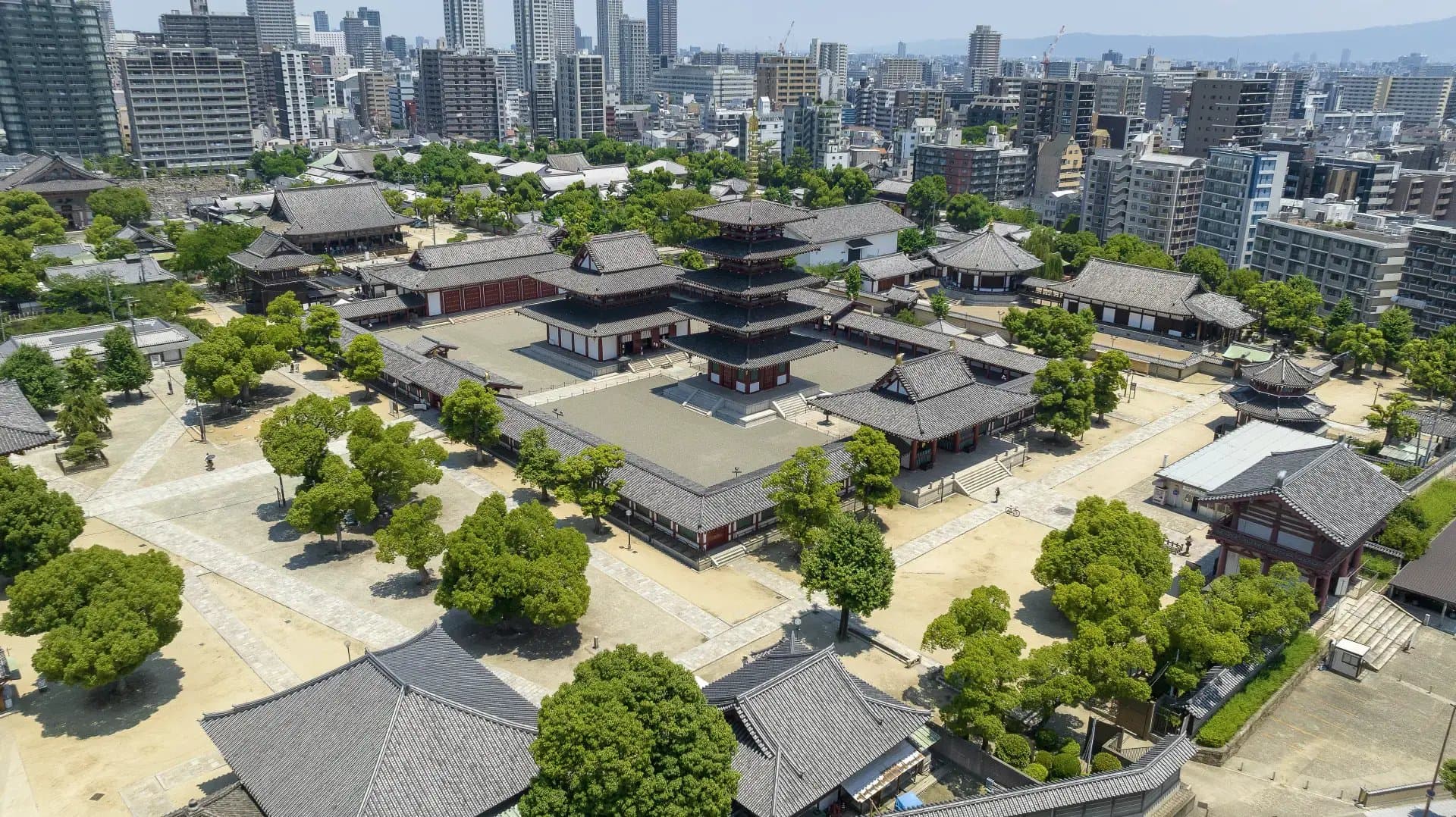
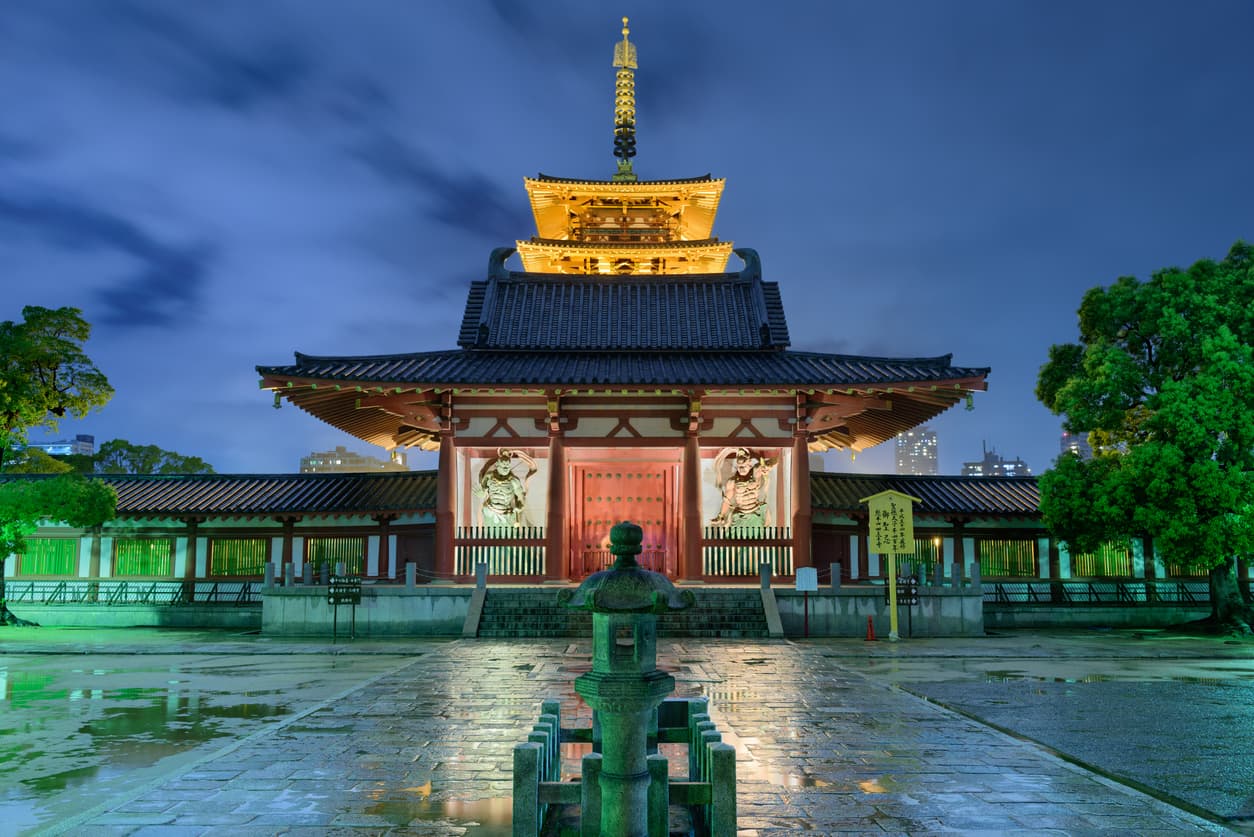
Shitennoji, or the Temple of the Four Heavenly Kings, is the oldest officially state-sponsored temple in Japan and one of the most historically significant Buddhist sites in the entire country. It was founded in 593 by Prince Shotoku, the regent of Empress Suiko and one of the most important figures in Japanese history, as an act of thanksgiving after victory in a civil war in which he had prayed to the Four Heavenly Kings of Buddhist tradition for protection. The temple's formal Japanese name, Konda Garan, refers to the layout of its central precinct, which follows the original Shitennoji style of temple construction in which the main buildings are arranged on a precise north-south axis.
Despite its extraordinary age, the original temple buildings have been destroyed by fire on multiple occasions and the current structures in the central precinct are reconstructions dating primarily from the 1960s and 1970s, built to faithfully replicate the original 6th-century design. The temple transcends conventional Buddhist sectarian boundaries, enshrining dedications to multiple traditions including teachings associated with Saicho (Dengyo Daishi), Kukai (Kobo Daishi), Honen, and Shinran, making it one of the most broadly significant Buddhist sites in Japan.
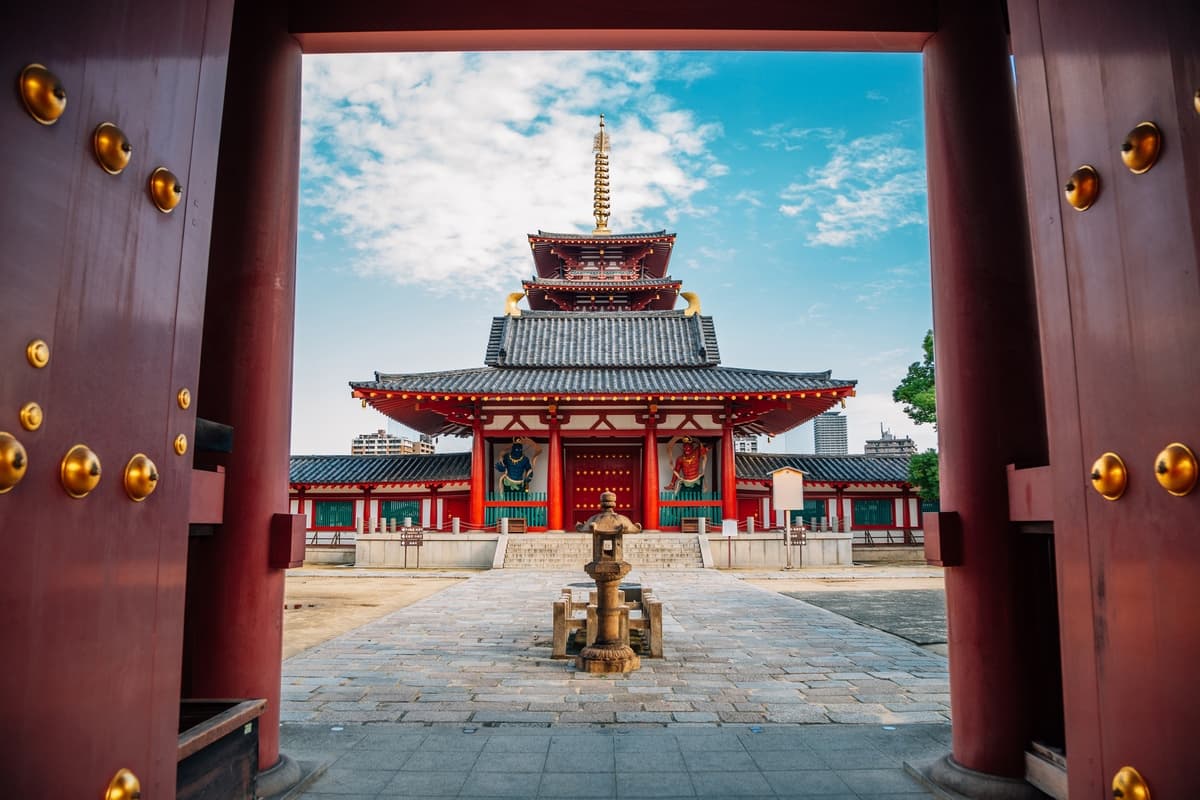
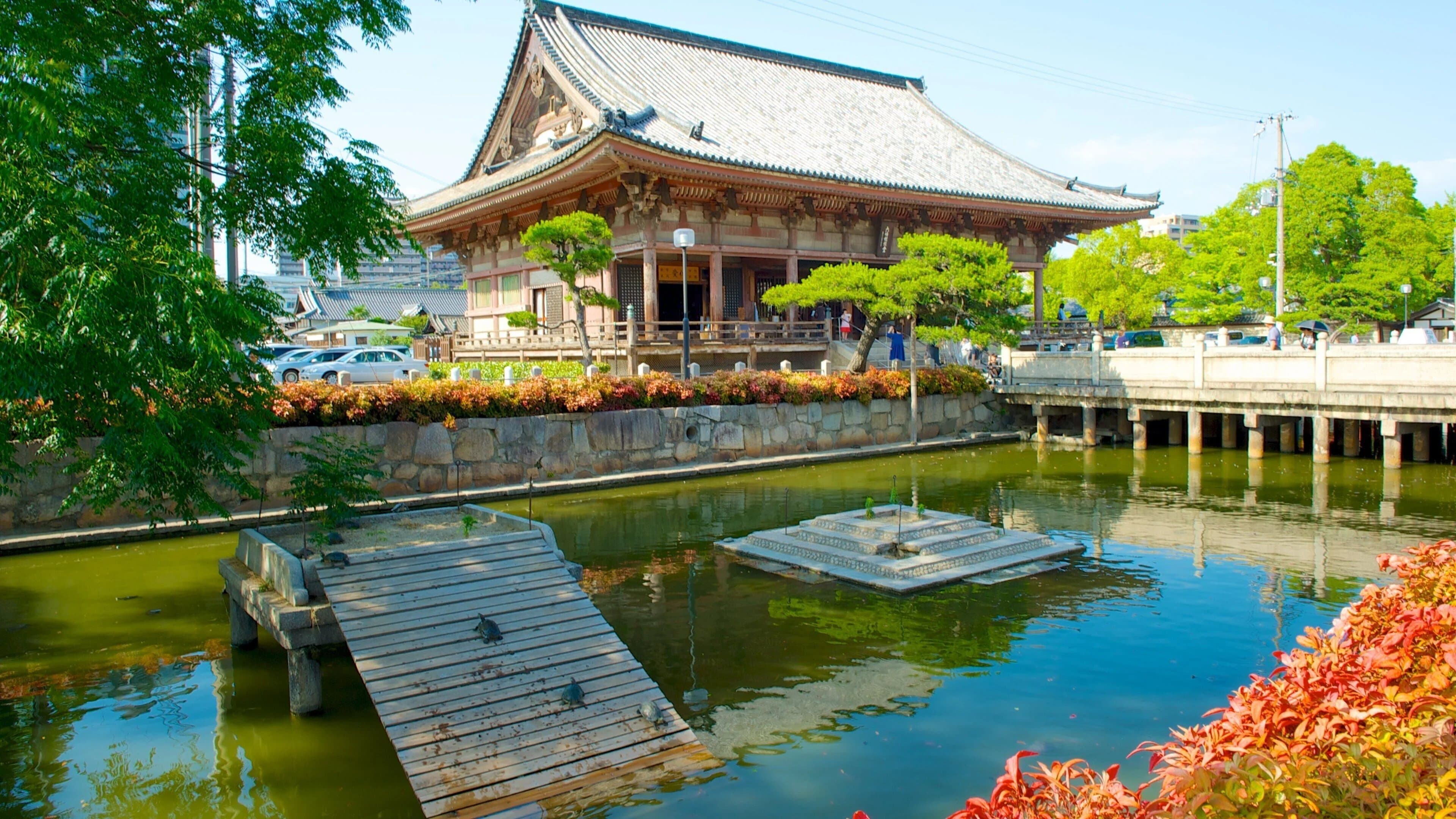
The paid areas of the temple include the Chushin Garan inner precinct with its Five-Storied Pagoda that visitors can enter and climb, the Main Hall (Kondo) enshrining a statue of Kannon with stunning interior murals, and the Gokuraku-jodo Garden, a strolling garden designed to replicate the Buddhist Western Paradise. The outer temple grounds are free to enter at all times. A treasure house displays paintings, scriptures, and valuable temple belongings in periodic themed exhibitions.
Know Before You Go
No advance booking is required for the standard inner precinct admission at Shitennoji as tickets are sold at the entrance gate on the day
Note that the outer temple grounds are completely free to enter at all times, meaning visitors can experience the approach, the great south gate, and the exterior of the pagoda without paying any admission
Cash is strongly recommended as the primary payment method as not all temple areas reliably accept card payment
The treasure house closes for extended periods between themed exhibitions so always check the schedule at shitennoji.or.jp before visiting if the treasure house is specifically your goal
The 21st of each month is the Daishi-e festival of Kobo Daishi and the 22nd is the Taishikai Prince Shotoku Festival, both of which bring outdoor stalls and flea market vendors to the grounds making these the most atmospheric days to visit
Things To Carry
Policies
Confirmation Policy
Payment Policy
Cancellation Policy
FAQs
The Shitennoji Temple flea market takes place on the 21st and 22nd of each month on the temple grounds. The 21st is the Daishi-e festival commemorating Kukai (Kobo Daishi) and the 22nd is the Taishikai Prince Shotoku Festival. Both days bring dozens of outdoor stalls selling antiques, folk crafts, old kimonos, vintage goods, ceramics, and street food across the temple grounds in one of Osaka's most beloved and atmospheric recurring events.
Yes. The outer grounds of Shitennoji are completely free to enter at all times and include the great south gate, the approach, and the exterior of the Five-Storied Pagoda. Paid admission covers the Chushin Garan inner precinct, the Gokuraku-jodo Garden, and the treasure house. Many visitors find the outer grounds and approach highly rewarding even without paying for the inner areas.
The Gokuraku-jodo Garden is a Japanese strolling garden within the Shitennoji temple grounds designed to replicate the Gokuraku-jodo, the Western Pure Land Paradise of the Amida Buddha as described in Buddhist scripture. It is one of the most serene and carefully maintained garden spaces in central Osaka, with a pond, stone lanterns, and planting designed to evoke the ideal landscape of the Buddhist afterlife. It requires a separate admission ticket of ¥300.
The main temple inner precinct (Chushin Garan) costs ¥500 for adults and ¥300 for high school students. The Gokuraku-jodo Garden costs ¥300 for adults and ¥200 for elementary, middle, and high school students. The treasure house costs ¥500 for adults when open. The outer grounds are free. Combination visits covering the inner precinct and garden represent the most complete paid experience of the temple for most visitors.
Yes, Shitennoji is a pleasant and accessible destination for families. The outer grounds are free and spacious. The opportunity to climb the Five-Storied Pagoda is a consistently popular experience with children. The Gokuraku-jodo Garden provides a calm and beautiful walking space. The monthly flea market on the 21st and 22nd adds considerable colour and energy to the grounds. The temple is generally flat and accessible with strollers on the main pathways.
Shitennoji is located at 1-11-18 Shitennoji, Tennoji Ward, Osaka 543-0051. The nearest station is Shitennoji-mae Yuhigaoka Station on the Osaka Metro Tanimachi Line, approximately a 3-minute walk from the temple's west gate. JR Tennoji Station on the Osaka Loop Line is approximately a 10-minute walk. The temple is also within easy walking distance of Tennoji Park and the Abeno Harukas skyscraper.
Yes. The Five-Storied Pagoda in the Chushin Garan inner precinct at Shitennoji can be entered and climbed by visitors as part of the inner precinct admission ticket. Ascending the pagoda provides an elevated view of the temple grounds and the surrounding Tennoji Ward. This is relatively unusual in Japan as most temple pagodas are not open for visitors to enter.
Shitennoji is Japan's oldest officially state-sponsored Buddhist temple, founded in 593 by Prince Shotoku as an act of thanksgiving to the Four Heavenly Kings of Buddhist tradition. It is located in Tennoji Ward, Osaka, and despite having been destroyed and rebuilt numerous times due to fire, it has maintained continuous operation for over 1,400 years. It transcends conventional Buddhist sectarian divisions and is one of the most broadly significant spiritual sites in Japan.
Write a Review
Share your experience to help others plan their trip.