
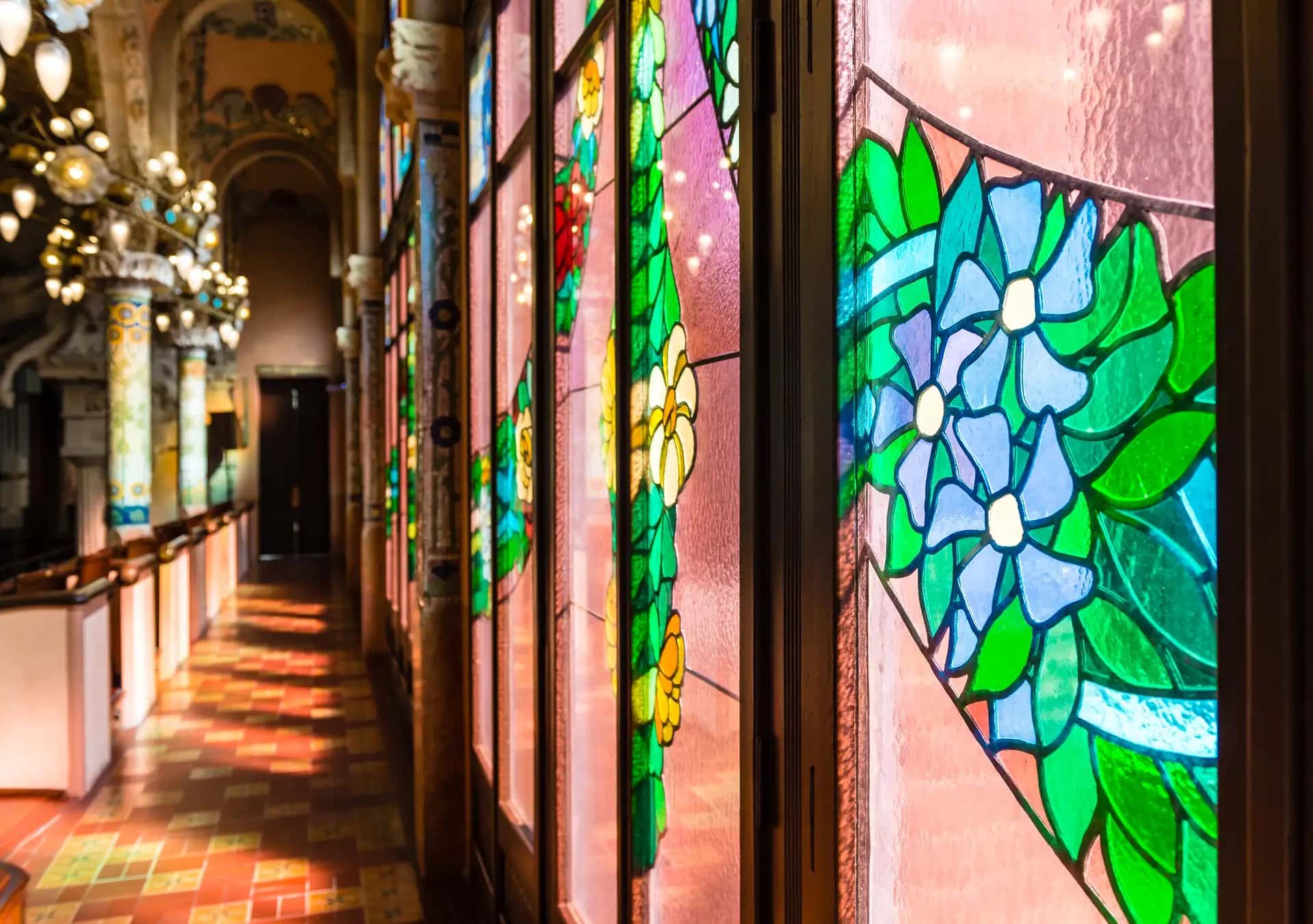
Gallery slide 1
1 / 5
Gallery slide 2
2 / 5
Gallery slide 3
3 / 5
Gallery slide 4
4 / 5
Gallery slide 5
5 / 5

Palau de la Música Catalana Entry Tickets

whatsapp
Free Cancellation

Free Cancellation

Mobile Voucher

Mobile Voucher

Bucketlist

Bucketlist

PokeTix Bestseller

PokeTix Bestseller

Palau de la Música Catalana Entry Tickets Highlights

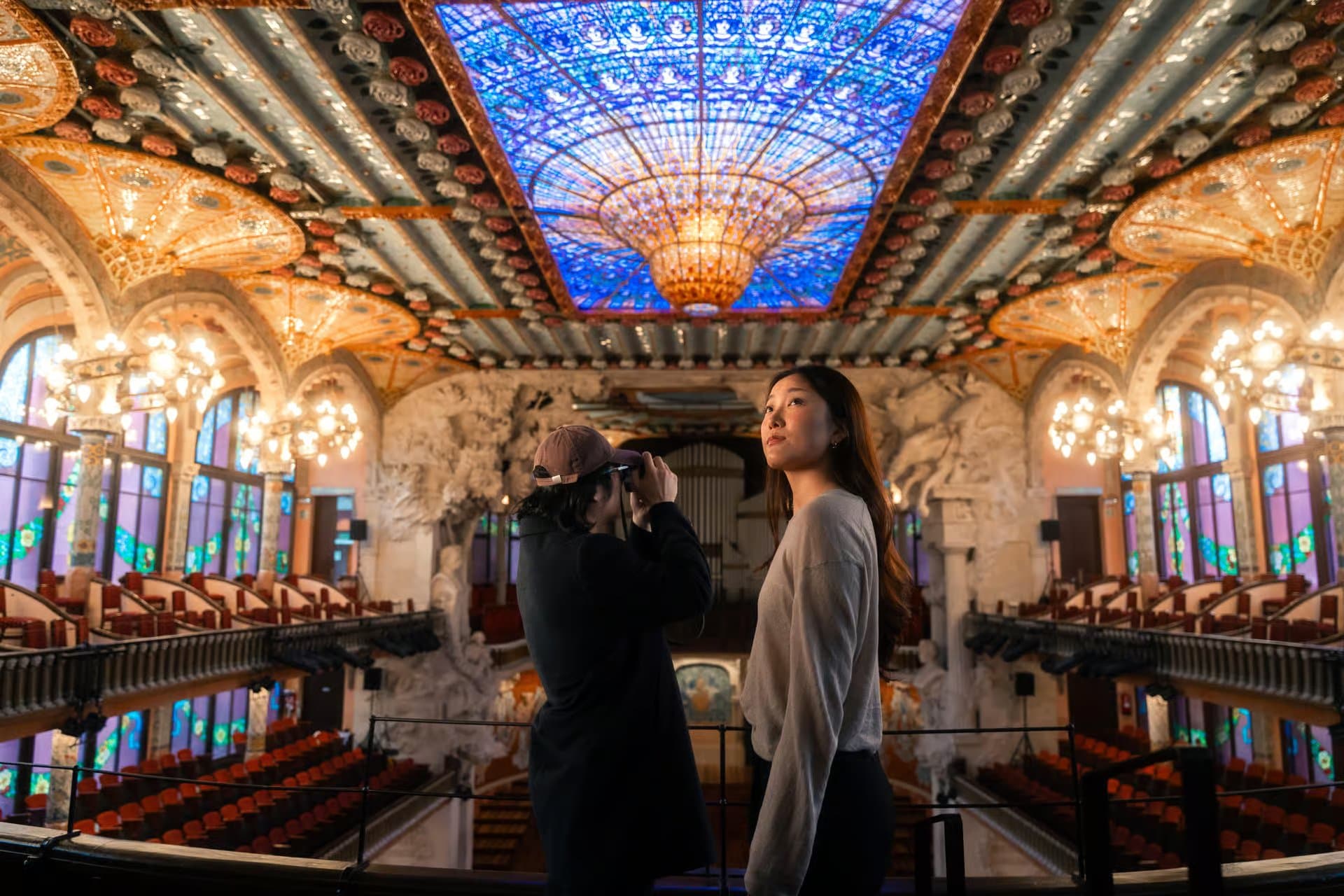
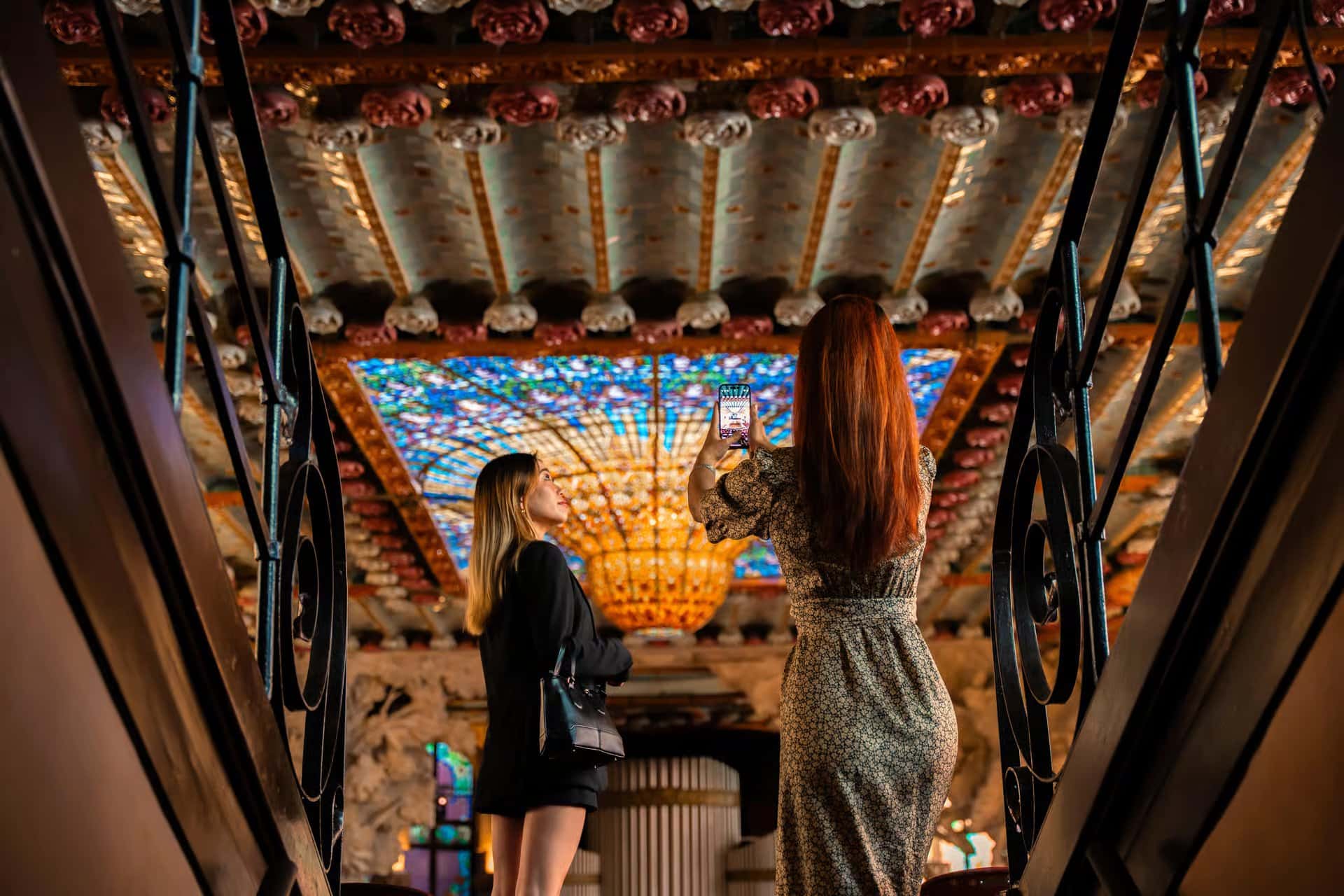
Stand beneath the world's largest stained glass ceiling, the Palau's extraordinary inverted glass dome designed by Antoni Rigalt i Blanc, as natural Barcelona light filters through thousands of pieces of coloured glass in constantly shifting intensities
Discover the concert hall's extraordinary sculptural programme including the ceramic muses on the stage, the Valkyries emerging from the proscenium arch, and the Catalan folk song figures bursting from the corners of the building
Explore a UNESCO World Heritage Site and the first concert hall in the world to be designated as such, a living building that still hosts over 300 performances per year
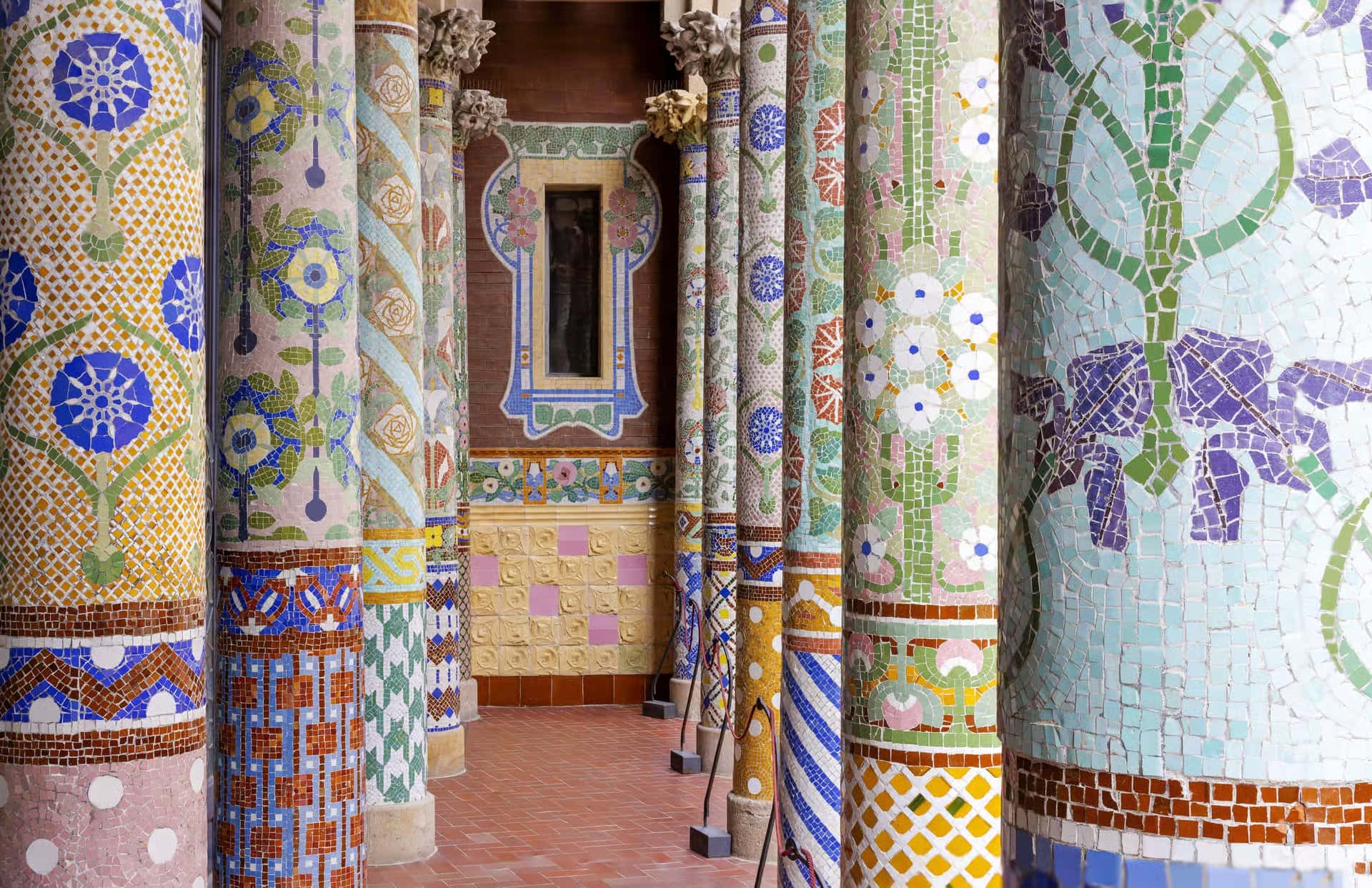
Marvel at the building's exterior façade on Carrer de Sant Pere Més Alt where ceramic pillars, stone carvings, and iron lanterns create one of the most richly decorated street frontages in European architecture
Attend a concert in the most beautiful performance venue in Europe for an experience that combines Domènech i Montaner's extraordinary architecture with world-class musical programming

Palau de la Música Catalana Entry Tickets Packages

logo

Available Packages

Select your ticket option

Starting Price

$28.90

Palau de la Música Catalana Entry Tickets Overview

Tucked into a narrow street in the Sant Pere neighbourhood between Via Laietana and El Born, the Palau de la Música Catalana is at once the most unexpected and the most extraordinary building in Barcelona. Commissioned by the Orfeó Català choral society in 1905 and completed in 1908 by Lluís Domènech i Montaner, the leading architect of Catalan Modernisme alongside Antoni Gaudí, it was built to serve as the new headquarters and concert hall of the choral society using funds raised by local textile manufacturers and music enthusiasts in one of the most remarkable examples of community cultural patronage in European architectural history.

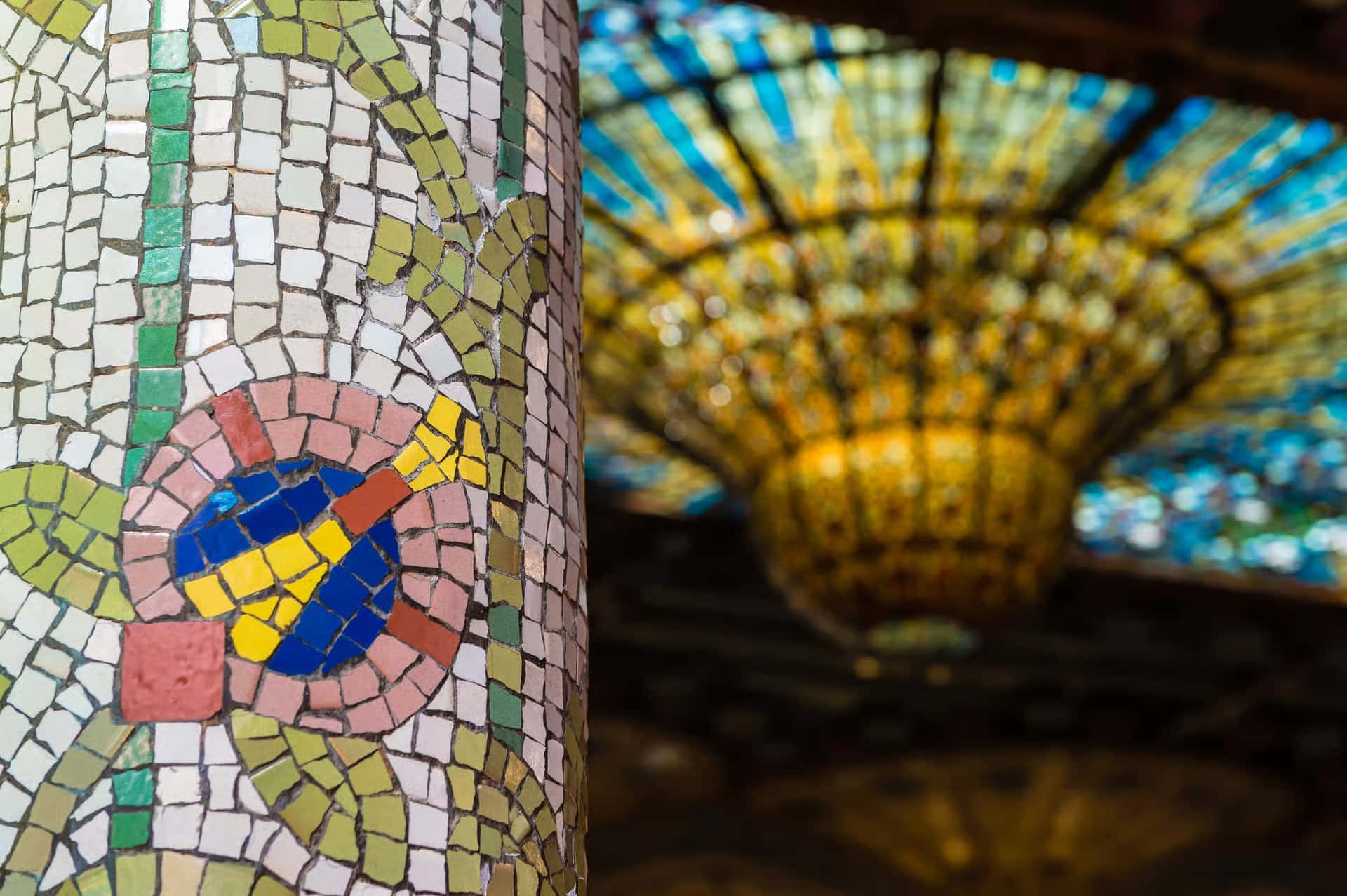
The building is a three-dimensional celebration of light, colour, and craft. Every surface is decorated: walls of intricate ceramic mosaic in every colour of the spectrum, columns clad in floral ceramic figures, stained glass at every level, and sculpted groups representing Catalan folk music and classical music tradition emerging from the corners of the stage. The concert hall itself is the most celebrated space, a 2,000-seat auditorium capped by a central inverted glass dome of extraordinary beauty, the largest stained glass ceiling in the world, designed by Antoni Rigalt i Blanc and composed of thousands of pieces of glass in every shade from deep cobalt to brilliant amber, through which the Barcelona light filters throughout the day in constantly shifting colours and intensities. On sunny mornings between 10:00 and 13:00 the stained glass ceiling produces its most spectacular effect.

The Palau was declared a national monument by the Spanish government in 1971 and inscribed as a UNESCO World Heritage Site in 1997. It remains an active concert hall presenting over 300 performances per year including classical, flamenco, jazz, and popular music. Interior access for non-concert visitors is exclusively by guided or self-guided tour, available daily from 09:00 to 15:30. Guided tours run approximately 60 minutes. Book online in advance as tours can sell out on weekends and during the peak season from April to October.

Know Before You Go Palau de la Música Catalana Entry Tickets

Note that interior access for non-concert visitors is available only during the daytime guided and self-guided tour window from 09:00 to 15:30; there is no general free exploration of the building outside these hours

The most spectacular time to visit is on a sunny morning between 10:00 and 13:00 when the natural Barcelona light produces the most vivid and shifting colour effects through the stained glass ceiling in the main concert hall

Book your Palau de la Música Catalana tour tickets online in advance at palaumusica.cat as weekend tours and morning slots fill quickly during peak season and online booking guarantees your preferred time

The building is closed on Christmas Day and New Year's Day so avoid planning visits on 25 December and 1 January

Attending a live concert at the Palau is a completely different experience from the daytime tour and is strongly recommended if your visit to Barcelona coincides with a suitable programme as the combination of architecture and live music in this space is unmatched anywhere in Europe

Things To Carry

Photo ID
Tickets (Digital or Printed)
Comfortable Shoes

Policies

Confirmation Policy

Booking is confirmed within 15 minutes.
If you don’t see it check your spam folder or contact us.
Alternate nearby slots can be arranged if your preferred time is unavailable.

Cancellation Policy

Free reschedule available until 72 hours before your travel date.
Free cancellation available until 72 hours before your travel date.

FAQs

1What is the stained glass ceiling at the Palau de la Música Catalana?

The stained glass ceiling of the main concert hall is an inverted dome of extraordinary beauty, composed of thousands of glass pieces in shades ranging from deep cobalt blue to brilliant amber, gold, and clear white. It is the world's largest stained glass ceiling and dominates the centre of the auditorium. Natural light filters through the dome throughout the day, producing constantly shifting colour effects that are at their most spectacular on sunny mornings between 10:00 and 13:00.

2What is the Palau de la Música Catalana?

The Palau de la Música Catalana is a UNESCO World Heritage concert hall in Barcelona's Sant Pere neighbourhood, designed by Lluís Domènech i Montaner and opened in 1908. It was commissioned by the Orfeó Català choral society and funded by local cultural patrons. The most celebrated feature is its inverted stained glass dome in the main concert hall, the world's largest stained glass ceiling. Non-concert visitors must access the interior by guided or self-guided tour.

3What concerts are held at the Palau de la Música Catalana?

The Palau de la Música Catalana presents over 300 performances per year across a wide range of musical genres. The core programme includes classical orchestral and chamber music, opera, choral works performed by the resident Orfeó Català choir, and performances by major international soloists and ensembles. The venue also presents flamenco, jazz, and popular music. The full concert calendar is available on the official website palaumusica.cat and tickets sell out quickly for popular programmes.

4Can I visit the Palau de la Música Catalana without attending a concert?

Yes. Non-concert visitors can access the interior of the Palau de la Música Catalana through guided or self-guided daytime tours available from 09:00 to 15:30 daily. Guided tours run approximately 60 minutes with a specialist guide. Self-guided tours include an audio guide. Both options provide access to the main concert hall, the foyer spaces, the decorative exterior, and all key architectural elements. There is no walk-in general access outside these tour hours.

5Is the Palau de la Música Catalana suitable for families with young children?

Yes, the Palau de la Música Catalana is a visually extraordinary and memorable experience for families. Children under 10 enter free for daytime tours. The building's extraordinary colours, its ceramic sculptures, the stained glass ceiling, and the sculptural programme throughout are immediately engaging for younger visitors even without an architectural background. Parents should note that tours last approximately 60 minutes and involve considerable standing. The building's active concert programming for children and families includes dedicated children's concerts throughout the year.

6How do I get to the Palau de la Música Catalana?

The Palau de la Música Catalana is located at Carrer de Palau de la Música 4-6 in the Sant Pere neighbourhood of Barcelona. The nearest Metro station is Urquinaona on Lines 1 and 4, approximately a 5-minute walk. Jaume I on Line 4 is also a short walk and is convenient for combining a visit with El Born and the Picasso Museum. The main visitor entrance is on Carrer de Sant Pere Més Alt.

7Who designed the Palau de la Música Catalana?

The Palau de la Música Catalana was designed by Lluís Domènech i Montaner, the leading figure of Catalan Modernisme alongside Antoni Gaudí. Domènech i Montaner was responsible for two of Barcelona's three UNESCO World Heritage Catalan Modernisme buildings: the Palau de la Música Catalana and the Hospital de Sant Pau. The concert hall's extraordinary stained glass ceiling was designed separately by Antoni Rigalt i Blanc, one of the greatest glass artists of his era.

8Is the Palau de la Música Catalana wheelchair accessible?

Yes. The Palau de la Música Catalana is fully wheelchair accessible. Lifts serve every floor, a stair lift on the Foyer level connects to the balcony exhibitions, and a ramp in the Sala Lluís Millet gives access to the columns balcony. Adapted toilets are available throughout the building and a wheelchair can be borrowed at the entrance on request. The recommended accessible entrance is via Plaça del Palau. Spanish Sign Language interpreter tours can be arranged for groups of 15 or more.

$-

Write a Review

Share your experience to help others plan their trip.