Gallery slide 1
1 / 6
Gallery slide 2
2 / 6
Gallery slide 3
3 / 6
Gallery slide 4
4 / 6
Gallery slide 5
5 / 6
Gallery slide 6
6 / 6

Frederick C. Robie House Guided Tour Tickets

whatsapp
Free Cancellation

Free Cancellation

Mobile Voucher

Mobile Voucher

Bucketlist

Bucketlist

PokeTix Bestseller

PokeTix Bestseller

Frederick C. Robie House Guided Tour Tickets Highlights

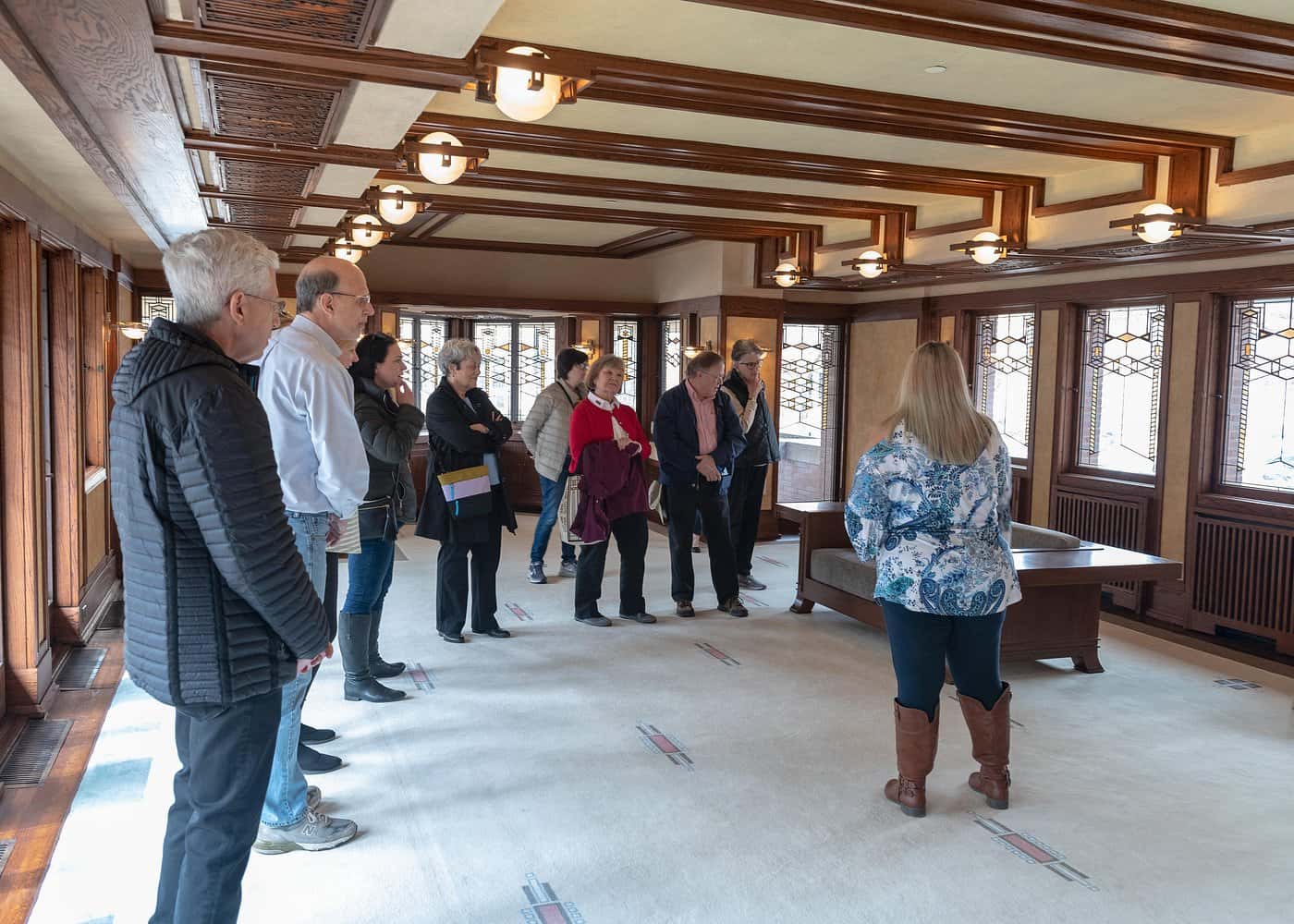
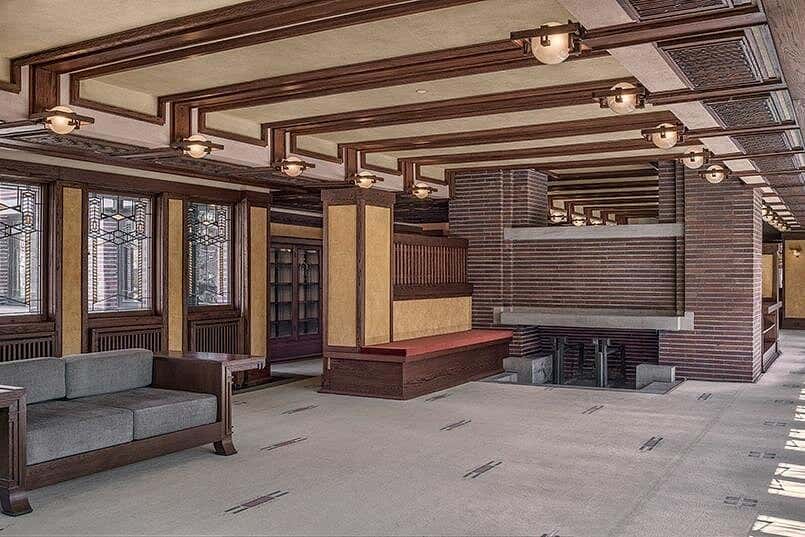
Walk through the revolutionary unified living and dining space where Wright demolished the conventional separation of rooms across a central hearth in one of the first genuinely open-plan interiors in American architecture
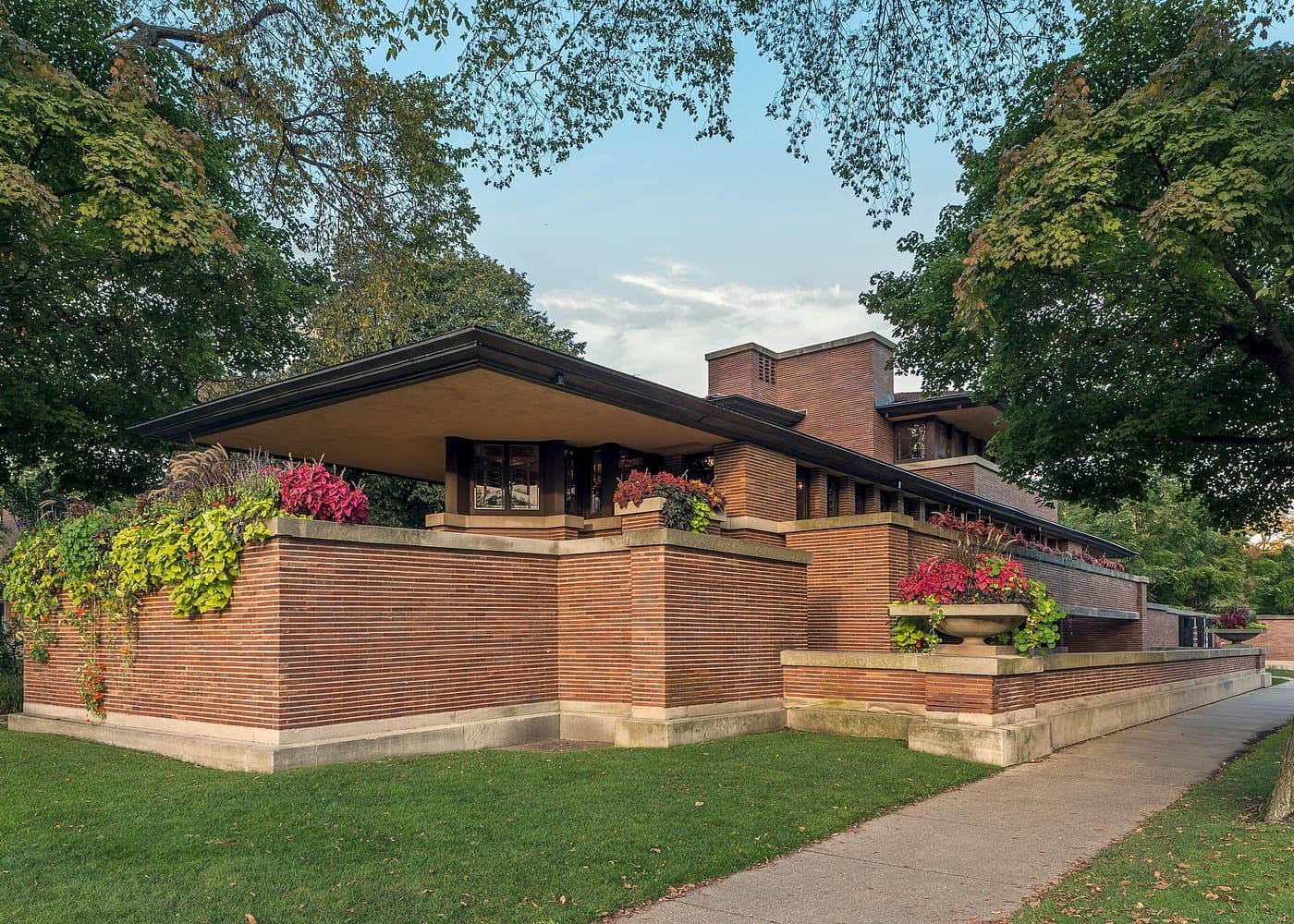
See the dramatic cantilevered eaves projecting far beyond the walls below and the continuous horizontal lines that connect the building to the prairie landscape in Wright's most radical departure from Victorian domestic architecture
Experience a 2019 restoration that returned the interior to its original 1910 appearance with historically accurate materials and original specifications throughout
Stand inside the UNESCO World Heritage-listed masterpiece that Frank Lloyd Wright called a cornerstone of modern architecture and discover why the Robie House permanently changed the course of residential design worldwide
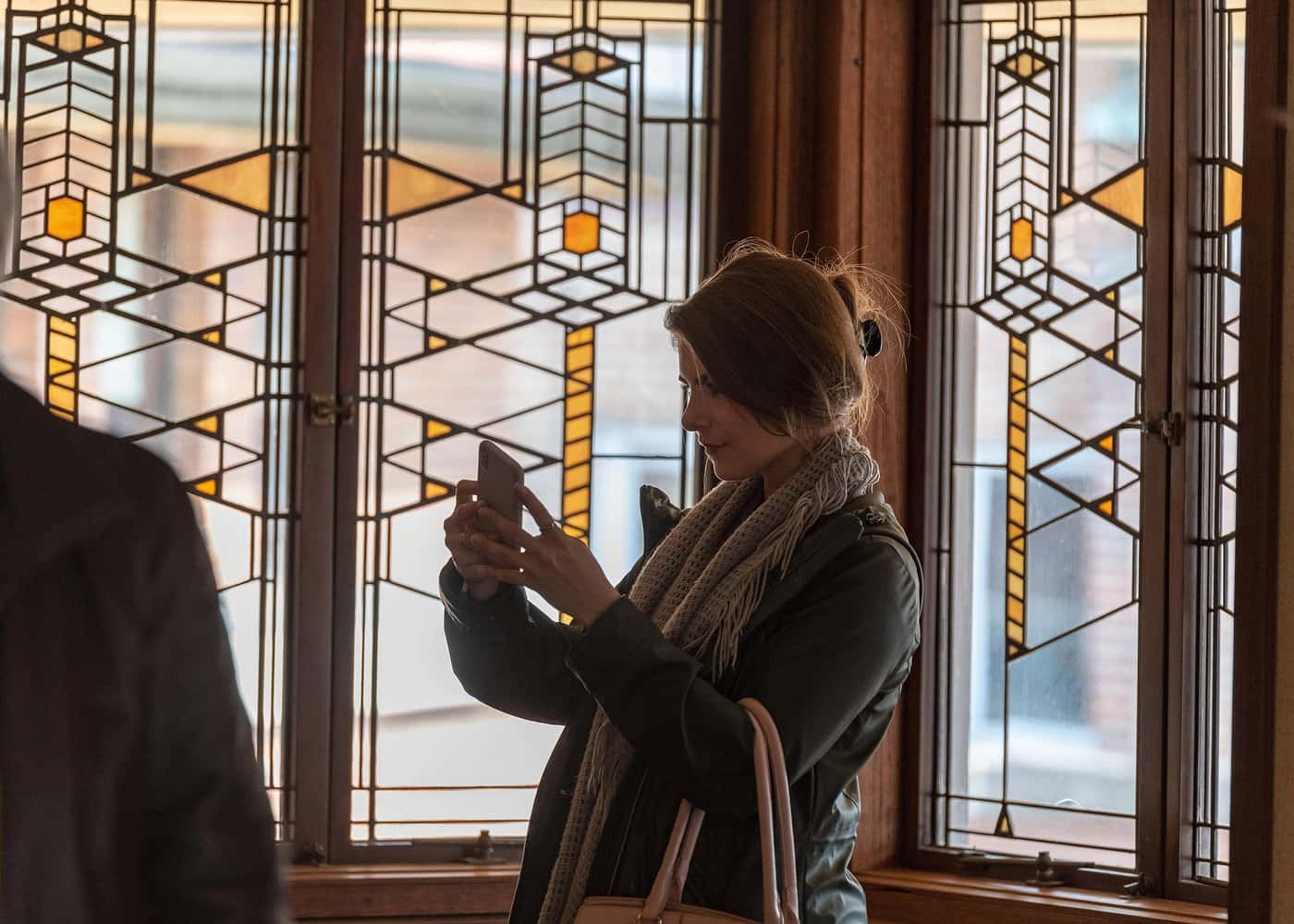
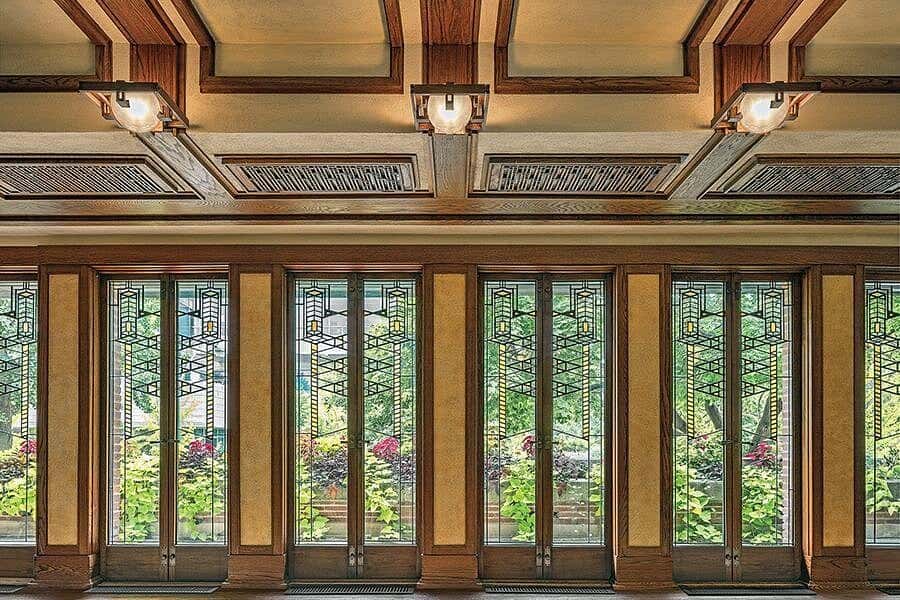
Marvel at the extraordinary leaded art glass windows, each a unique geometric composition designed by Wright to filter and transform natural light throughout the day

Frederick C. Robie House Guided Tour Tickets Packages

logo

Available Packages

Select your ticket option

Starting Price

$35.00

Frederick C. Robie House Guided Tour Tickets Overview

The Frederick C. Robie House was designed by Frank Lloyd Wright for Frederick C. Robie, a bicycle and automobile parts manufacturer, and completed in 1910 at a cost of approximately $35,000. It is located at 5757 South Woodlawn Avenue on the University of Chicago campus in Hyde Park, approximately seven miles south of downtown Chicago. From the moment of its completion it was recognized as something entirely new in American domestic architecture, and Wright himself described it as a cornerstone of modern architecture.

The building's relationship to the ground is the first thing that strikes visitors. Robie House hugs the earth in a way that was without precedent in 1910, with dramatically extended cantilevered eaves that project far beyond the walls below and create a continuous horizontal line that connects the building to the prairie landscape from which it takes its inspiration. The entire composition moves horizontally rather than vertically, in direct opposition to the vertical aspirations of Victorian architecture that preceded it.

Inside, Wright demolished the conventional separation of rooms that had defined domestic architecture for centuries. The living room and dining room of the Robie House flow into each other across a central fireplace in a single unified space, with only the hearth marking the conceptual boundary. Built-in furniture, continuous art glass windows, and integrated lighting ensure that no single element within the house contradicts Wright's total design vision.

The art glass windows are among the most celebrated elements of the Robie House. Each leaded glass panel is designed as an abstract composition of geometric forms that filters and transforms the light passing through it throughout the day. No two panels are identical, but together they form a coherent decorative program that runs throughout the entire building.

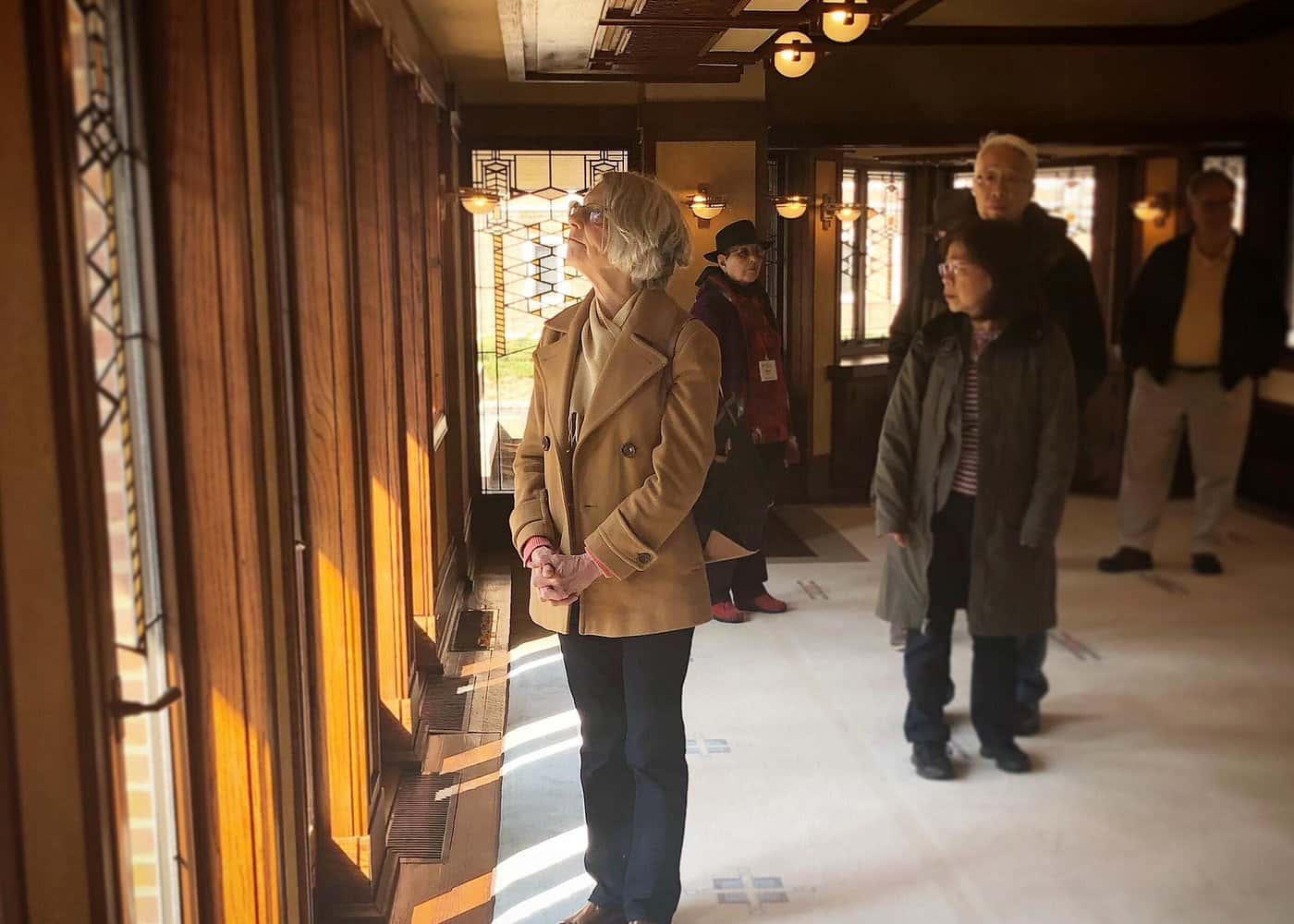
A 2019 restoration returned the interior to its 1910 appearance using original specifications and historically accurate materials. The house is managed by the Frank Lloyd Wright Trust, which also operates the Frank Lloyd Wright Home and Studio in Oak Park and Unity Temple. Entry is by guided tour only. Tours run Thursday through Monday with a maximum of 14 guests per tour. The second floor is not wheelchair accessible.

Know Before You Go Frederick C. Robie House Guided Tour Tickets

All guests including infants must have a ticket; strollers are not permitted inside the house

Entry is by guided tour only with groups strictly limited to 14 guests; advance booking through the Frank Lloyd Wright Trust at flwright.org is strongly recommended as tours sell out, especially on weekends from late spring through autumn

The second floor of the Robie House, which includes the main living and dining rooms, is not wheelchair accessible; the exterior and ground floor are accessible and the Trust has one standard-size wheelchair available for guests

The house is located in Hyde Park on the University of Chicago campus, approximately 7 miles south of downtown Chicago; allow travel time via the CTA Metra Electric Line to 57th Street Station or via rideshare

The house is closed on Tuesdays and Wednesdays; plan your visit for Thursday through Monday only

Things To Carry

Photo ID
Tickets (Digital or Printed)
Comfortable Shoes

Policies

Confirmation Policy

Booking is confirmed within 15 minutes.
If you don’t see it check your spam folder or contact us.
Alternate nearby slots can be arranged if your preferred time is unavailable.

Cancellation Policy

Free reschedule available until 72 hours before your travel date.
Free cancellation available until 72 hours before your travel date.

FAQs

1How long is the guided tour of the Robie House?

The standard guided interior tour takes approximately one hour and covers the interior of the building in depth. The Inside and Out tour combines the interior guided tour, approximately 60 minutes, with a self-guided outdoor audio tour lasting approximately 45 minutes that walks along 58th Street to explain the architectural context of the building in its historic and contemporary surroundings. The self-guided outdoor audio tour is available in English, Chinese, French, German, Italian, Japanese, Portuguese, and Spanish.

2What other Frank Lloyd Wright sites can I visit in the Chicago area?

The Frank Lloyd Wright Trust operates four sites in the Chicago area. The Frank Lloyd Wright Home and Studio at 951 Chicago Avenue in Oak Park is where Wright lived and developed many of his most revolutionary ideas; it is open daily for tours. Unity Temple at 875 Lake Street in Oak Park is a UNESCO World Heritage Site and one of Wright's most celebrated religious buildings, open Thursday through Saturday. The Rookery Building at 209 South LaSalle Street in downtown Chicago features a famous atrium redesigned by Wright in 1905. Multi-site tickets and combination tours are available through the Trust at flwright.org.

3What is the Frederick C. Robie House?

The Frederick C. Robie House is a 1910 residential building designed by Frank Lloyd Wright at 5757 South Woodlawn Avenue in Hyde Park, Chicago. Considered the definitive expression of Wright's Prairie Style, it is inscribed on the UNESCO World Heritage List as part of The 20th-Century Architecture of Frank Lloyd Wright. Wright described it as a cornerstone of modern architecture. Entry is by guided tour only, with groups limited to 14 guests. Tours run Thursday through Monday, and the house is closed Tuesdays and Wednesdays.

4Can I photograph inside the Robie House?

Photography for personal use is permitted in the living and dining rooms of the Robie House. Flash photography, video recording, tripods, monopods, and selfie sticks are not permitted anywhere inside the building. The Museum Shop and gift area at the garage level may have different photography policies. Guests are advised to listen to their tour guide's instructions regarding photography at the start of the tour as rules may be updated.

5Is the Robie House wheelchair accessible?

Partially. The exterior and ground floor of the Robie House are accessible to wheelchair users. The second floor, which contains the main living and dining rooms that are the architectural centerpiece of the building, is not wheelchair accessible and requires climbing a flight of 17 stairs. The Frank Lloyd Wright Trust has one standard-size wheelchair available for guests at the Robie House. Guests with specific accessibility needs are encouraged to contact the Trust in advance at 312-994-4000 or info@flwright.org.

6Why is the Robie House considered historically important?

The Robie House is considered one of the most important buildings of the 20th century for several reasons. It was among the first residential buildings to eliminate the conventional separation of rooms, creating a unified open-plan living and dining space across a central hearth. Its dramatically cantilevered rooflines and horizontal emphasis directly influenced the modernist architecture that followed globally. It demonstrated that an American residential building could achieve a level of design integration, from the structure and the furniture to the art glass windows and the lighting, that had never been achieved before. UNESCO inscribed it on the World Heritage List in 2019.

7How do I book tickets for the Robie House?

Tickets must be purchased in advance through the Frank Lloyd Wright Trust at flwright.org or by calling the box office at 312-994-4000. Day-of tickets may be available online, by phone, or in person but tours frequently sell out, particularly on weekends from late spring through autumn. All guests including infants must have a ticket. Groups of 10 or more must contact the Trust in advance. For tickets purchased online or by phone, check in at the Museum Shop at the Robie House before your tour; guests who do not check in will not be admitted.

8How do I get to the Robie House from downtown Chicago?

The Robie House is at 5757 South Woodlawn Avenue, Chicago, IL 60637, in Hyde Park on the University of Chicago campus, approximately 7 miles south of downtown Chicago. By Metra, take the Electric District Line from Millennium Station downtown to 57th Street Station, which is a short walk from the house. By CTA, the number 6 Jeffrey Express bus runs along South Lake Shore Drive to the University of Chicago area. Rideshare from downtown takes approximately 20 to 30 minutes depending on traffic. Free street parking is available on the surrounding campus streets.

$-

Write a Review

Share your experience to help others plan their trip.